Ian Watson, pioneering Warhammer 40,000 novelist, dies at 82
Ian Watson, who wrote 40k’s earliest novel Inquisitor and later Space Marine, died in Gijón at 82, and fans are revisiting the trilogy that made the setting weirder.
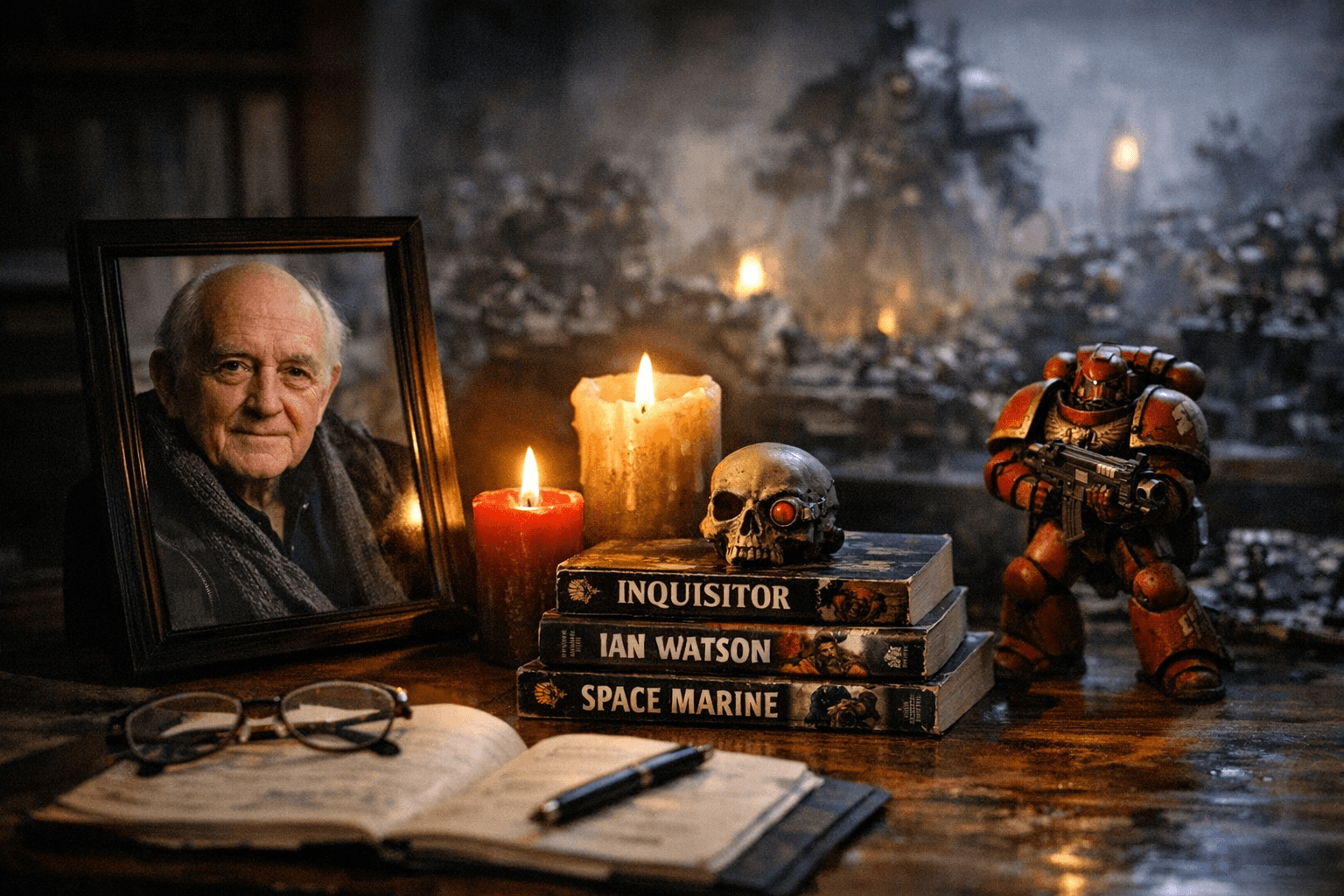
Ian Watson was one of the writers who gave early Warhammer 40,000 its stranger, more transgressive edge, and the community is mourning the loss of the first novelist to carry the setting into tie-in fiction. Watson died on April 13, 2026, in Gijón, Spain. He was 82.
For Warhammer readers, his name is welded to two touchstones: Inquisitor, first published in 1990 and later retitled Draco, and Space Marine, which followed in 1993. Together with Harlequin and Chaos Child, those books formed what fans usually call the Inquisition War trilogy. Black Library republished the trilogy in 2002, a clear sign that Games Workshop knew those early, oddball stories still mattered.
That matters because Watson helped define what 40k fiction could do before the universe settled into its later, more standardized shape. Inquisitor pushed the setting toward inquisitorial intrigue, psychic menace, and the kind of fever-dream excess that still gives the universe its bite. Space Marine kept that energy going and remains one of the earliest signposts for how grim, weird, and mythic 40k fiction could be when it was still finding its voice. The fingerprints are still visible in the setting’s love of hidden heresies, forbidden knowledge, and the grotesque scale of the Imperium itself.
If you want the best place to start, go straight to Inquisitor, ideally in the Draco edition or the 2002 omnibus of the Inquisition War trilogy. Then read Space Marine. That sequence shows Watson at the point where early 40k was still raw, experimental, and willing to get bizarre in ways later fiction often softened.
Watson’s reputation reached far beyond the 41st millennium. His debut novel, The Embedding, won the Prix Apollo, and in 2024 the European Science Fiction Society named him a Grand Master. Sources place his birth in St Albans, Hertfordshire, on April 20, 1943, and his career ranged across science fiction long before Warhammer came calling.
An obituary notice from Asturias listed a funeral service for April 14, 2026, in Gijón-Cabueñes, with a family request that mourners not send flowers and instead buy books. That feels fitting for a writer whose most lasting monument may be the books that taught 40k how strange it could be.
This article was produced by Prism’s automated news system from verified source data, official records, and press releases, then run through automated quality and moderation checks before publishing. The system is built and supervised by the people who set the standards it runs under. Read our full AI policy.
Did this article answer your question?