Space Wolves painting project weighs which units to prioritize first
Space Wolves are a rare army where the first shopping choice is also the paint plan: lock in the Marine core, then add the kits that read as Fenris fast.
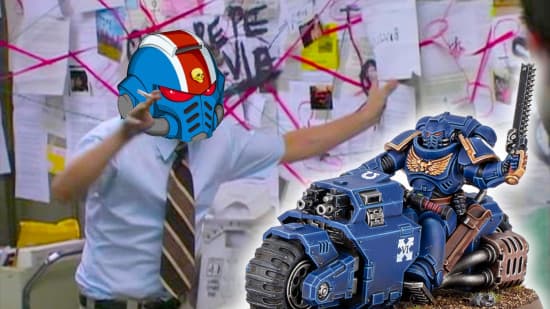
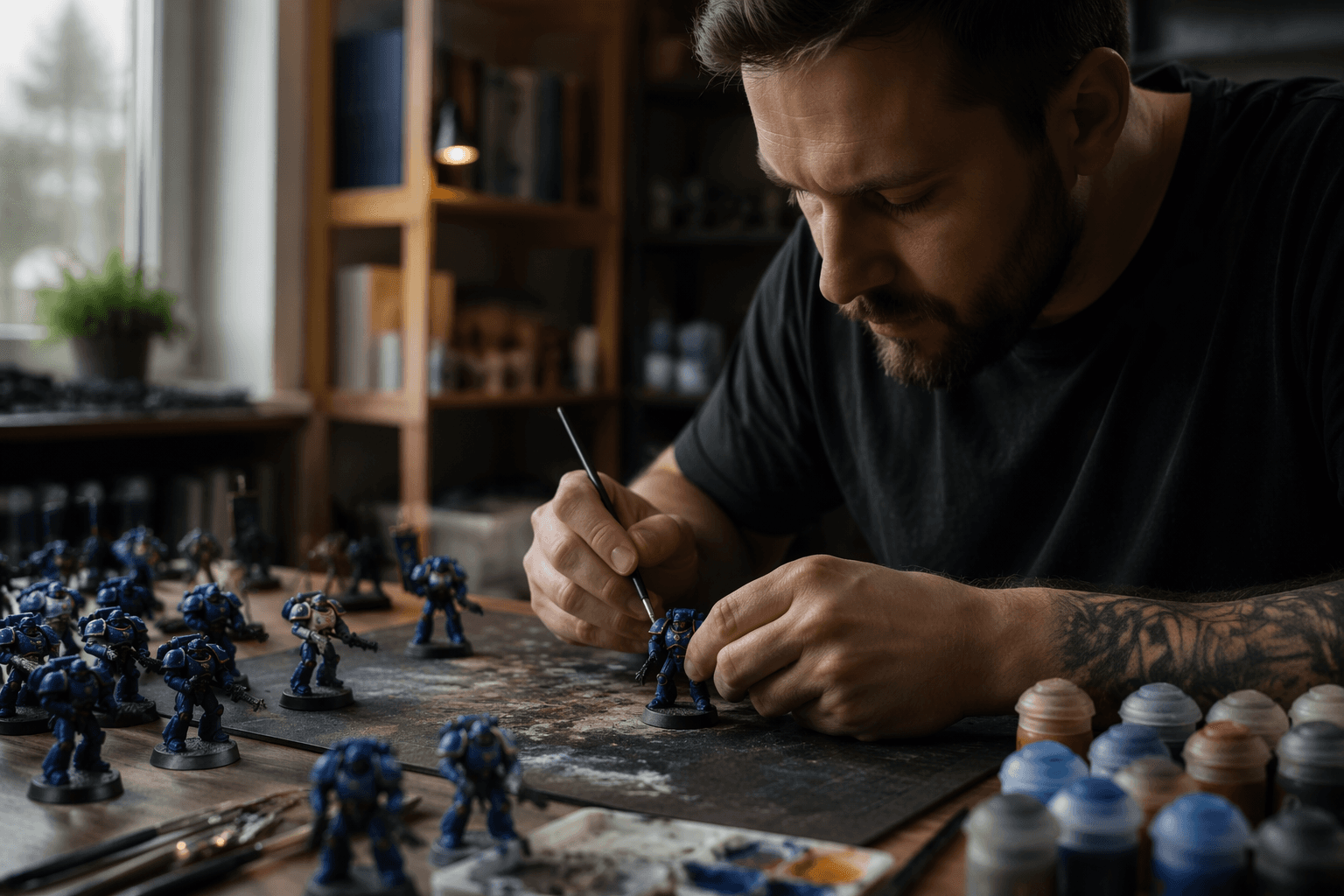
The hardest part of a Space Wolves project is not the first brushstroke. It is deciding which unit earns the first place on the desk when the army has to look unmistakably Fenrisian and still make sense for matched play. Robert Jones’ latest Road Through 2026 entry turns that choice into the real story, because Space Wolves reward the players who build the army around its identity first and its cool factor second.
The first decision is the chapter identity, not just the datasheet
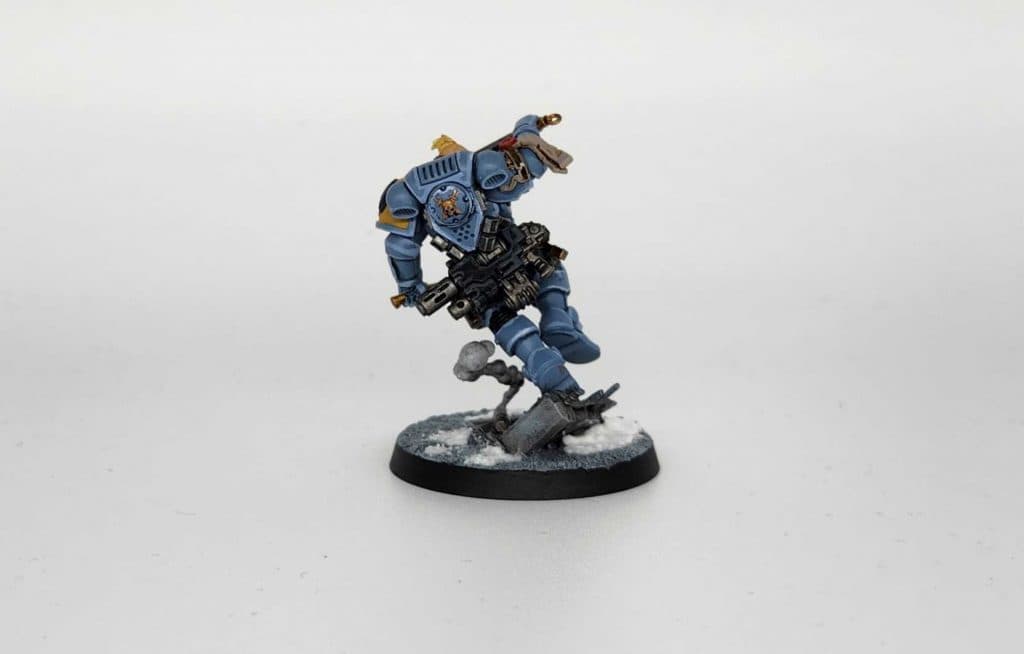
Space Wolves are described as ferocious warriors from the death world of Fenris, and that is the pressure point in any project like this: they cannot just look like another batch of blue-grey Space Marines. The Chapter’s visual language has to read as dauntless, tenacious, and hungry for battle, or the army loses what makes it special in the first place. That is why a Space Wolves build is never only about paint efficiency. It is also about whether the first kits you pick can carry the Chapter’s whole personality.
Games Workshop’s own Starting a Space Wolves Army guidance makes the structure plain by pointing you back to the standard Space Marine core before you chase the Chapter’s exclusive toys. Space Wolves are not a separate ecosystem so much as a blend: regular Space Marines, plus unique characters and units that give the army its Fenris edge. That mix is exactly why the project question matters so much in 11th Edition. If you choose badly at the start, you end up with a pile of models that look cool individually but do not yet feel like a Space Wolves force.
Start with the units that do the most identity work
If you want the army to read as Space Wolves quickly, the clearest wins come from the models that already carry the Chapter’s silhouette. The updated Logan Grimnar and Arjac Rockfist miniatures in Terminator armour are a good example of that kind of purchase: they are instantly legible, they anchor the force in the Chapter’s named-hero tradition, and they give you a visual center of gravity before the rest of the army fills out around them. The fact that the preferred bodyguards are Wolf Guard Terminators only sharpens the case for that elite block as an early priority.
That is the practical lesson for a fast tabletop build: pick one hard visual statement and build around it. A Terminator-heavy core, backed by a named character, does more to sell Space Wolves than scattering attention across every appealing kit in the range. It also gives you a much cleaner painting workflow, because the same armor finish, the same badge placement, and the same base details can repeat across a coherent block instead of changing from unit to unit.
The 104-page Codex Supplement: Space Wolves and the 419-decals transfer sheet reinforce that approach. The supplement shows how much room there is to lean into the Chapter’s identity, while the transfer sheet gives you a fast path to markings that would otherwise eat hours at the desk. If you are trying to get an army on the table without losing the Chapter’s character, that decal sheet is one of the simplest shortcuts in the whole range.

Build the spine before you chase the extras
The best part of the Space Wolves range is also the trap: it can pull you in several directions at once. Elite heroes, aggressive melee threats, rugged infantry, and iconic vehicles all compete for attention, and every one of them looks like a reasonable next buy. The discipline comes from choosing a spine first. The Starting a Space Marine Army guidance exists for a reason, because the Chapter still needs the same basic battlefield functions that any Marine force needs before the more distinctive layers start to matter.
That is where Robert Jones’ practical angle lands so well. Painting for a friend means the project has to work on more than one level. It has to look like Space Wolves immediately, but it also has to be a force that can grow cleanly as the edition settles in. The safest path is to start with the kits that will still make sense even if the list changes later: a reliable Marine core, one standout elite unit, and a named figure that tells you at a glance what Chapter you are looking at.
The 11th Edition timing makes the project easier to commit to
This is not a project happening in a vacuum. The new edition launch box, Warhammer 40,000: Armageddon, folds Space Wolves into the campaign framing alongside other Space Marine strike forces, which underlines how visibly Games Workshop is positioning the Chapter in the current reset. The downloads page listed the core rules as last updated on 1 June 2026, and the Space Wolves faction pack was updated on 8 June 2026. The faction pack was legal for matched play from 20 June 2026, so the army is not sitting on the sidelines while everyone waits for the dust to settle.
That timing matters because it changes how you should think about your first wave of purchases. When the pack is already legal and the core rules are current, the smartest move is to build toward an army that can get onto the table now, not some hypothetical perfect list six months down the line. A Space Wolves project works best when it treats the edition change as a hobby reset: pick the theme, anchor it with the kits that scream Fenris, and use the current rules window to avoid buying into drift.
The point of the first decision is simple. If you start with the Space Wolves units that carry the Chapter’s identity on sight, the army will already feel right before the last model is finished. That is what keeps a Space Wolves project from becoming a random pile of cool sprues, and what turns the 11th Edition reset into a finished force instead of another box of intentions.
This article was produced by Prism’s automated news system from verified source data, official records, and press releases, then run through automated quality and moderation checks before publishing. The system is built and supervised by the people who set the standards it runs under. Read our full AI policy.
Did this article answer your question?