Tacoma Open reveals the early 11th edition Warhammer 40,000 meta
Tacoma showed that early 11th-edition 40k rewards durability, cheap scoring bodies, and stratagem denial, with Custodes and Aeldari shaping the next list-building decisions.
Tacoma is giving competitive 40k players a clean read on the early 11th-edition field: if your army cannot survive mortal-wound pressure, fight hard at close range, and still score with spare bodies, it is already behind. The first major tournament under the new edition drew almost 400 players to Washington State, and the headline result was blunt enough to matter immediately, Adeptus Custodes took first and second.
Tacoma as the first real stress test
This was not a theory exercise. With Stu from the Warhammer Studio on site as honorary Lord Solar, Tacoma had the kind of event pressure that exposes weak list construction fast: terrain, clock management, mission play, judge calls, and the simple strain of playing round after round against tuned armies. That is why results from Tacoma travel so quickly through the competitive scene, even for players who never set foot in a US Open hall.
The important part is not just that games were played. It is that Tacoma showed which army plans survive real tournament conditions and which ones fall apart once the clocks start moving. For anyone building for the next US Open stops, that makes Tacoma more useful than a pile of standalone results. It is a live test of what actually works when the mission matters as much as the damage output.
Custodes are the benchmark, not the outlier
Adeptus Custodes finishing first and second tells you something specific about the shape of the early edition. Durability matters again, close-range combat matters again, and armies that can push through a turn-by-turn brawl without bleeding out on primary are setting the pace. The Aegis of the Emperor detachment ability was a real edge here, especially into mortal-wound-heavy armies like Aeldari and Imperial Knights.
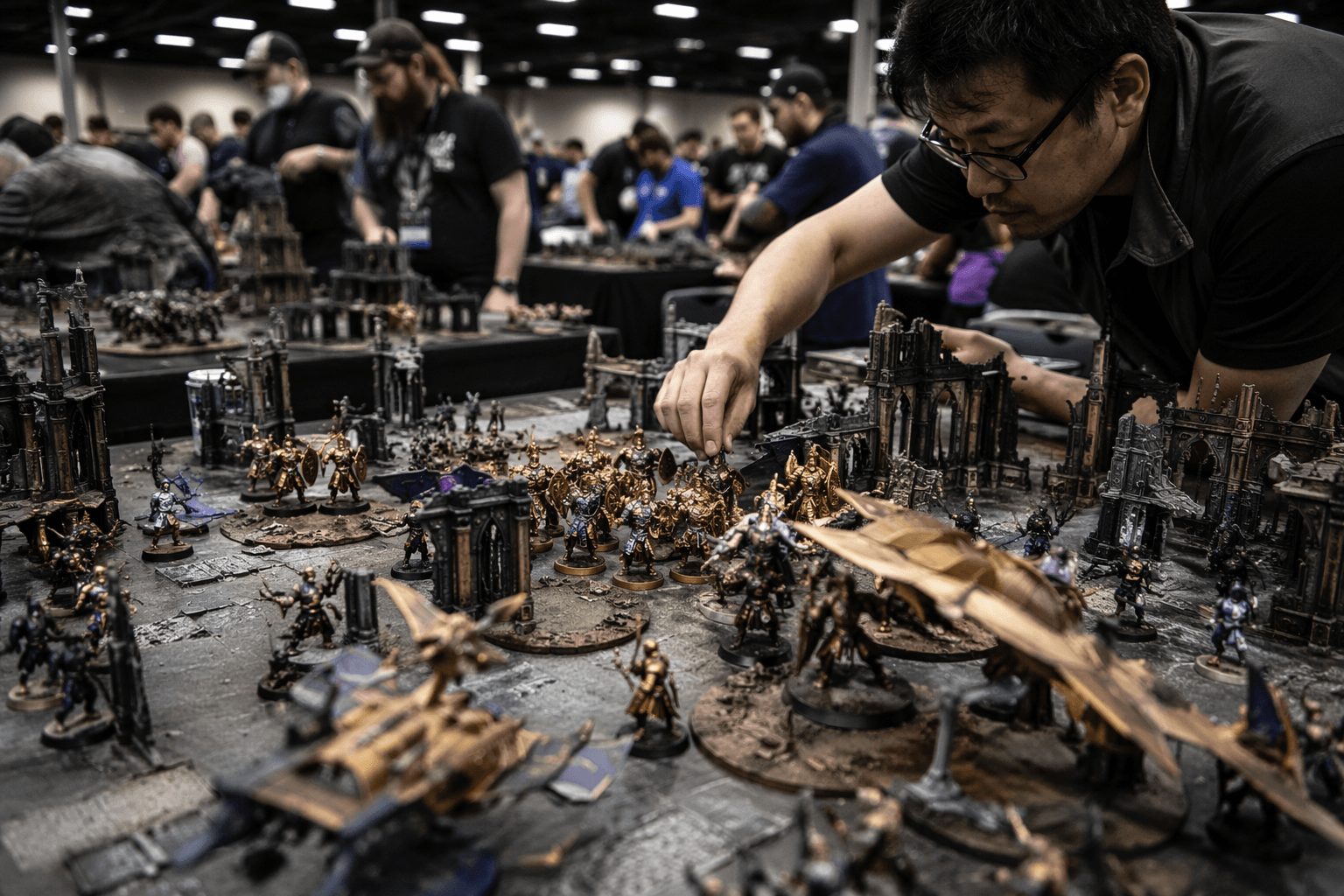
That matters for list writers because it changes what you need your army to do before it ever rolls a charge. If your plan is built around trading a fragile key unit and hoping the rest of the list cleans up, Tacoma is a warning. The Custodes lists that came through did not just hit hard, they stayed on the board long enough to keep scoring while the opponent ran out of safe answers.
- If you are bringing Aeldari, you need a plan that still functions after durability is trimmed and Fate dice are less generous.
- If you are bringing Imperial Knights, you need to respect armies that can stay alive under pressure and keep the fight close.
- If you are trying to beat Custodes, you need more than raw damage. You need a mission plan that keeps working after the first exchange.
For the wider field, the takeaway is simple:
The hidden tech is cheap utility, not more damage
The winning Custodes list did not rely on elite bodies alone. It used Agents of the Imperium, especially Exaction Squads for backfield objective holding and a Callidus Assassin to disrupt enemy Stratagem use through Reign of Confusion. That is the kind of detail tournament players should not ignore, because it shows where games are being won now: in the margins, not just in the kill zone.
Exaction Squads are the sort of unit that looks boring until they are the reason your opponent has to divert a serious piece into a dead lane. The Callidus is even more disruptive because it punishes the exact turn where an opposing list wants to spike its output with Stratagems. If you are writing lists for the next Open stop, that combination should make you think twice about over-investing in one perfect combo turn.
The real lesson is that early 11th-edition success is not only about the headline faction. It is about build quality. The best lists are carrying inexpensive units that solve mission chores, protect the backfield, and create awkward decisions for the opponent. If your army has no spare pieces to do that work, you are asking your damage dealers to cover too many jobs.
What Tacoma says about the next wave
Warhammer Studio is watching win rates closely, and targeted changes are expected. Even before that lands, Aeldari points increases and the Fate dice adjustment have already started pushing the meta around. That means players who are still building as if the most extreme versions of the old Aeldari engine are untouched are likely to get caught out.
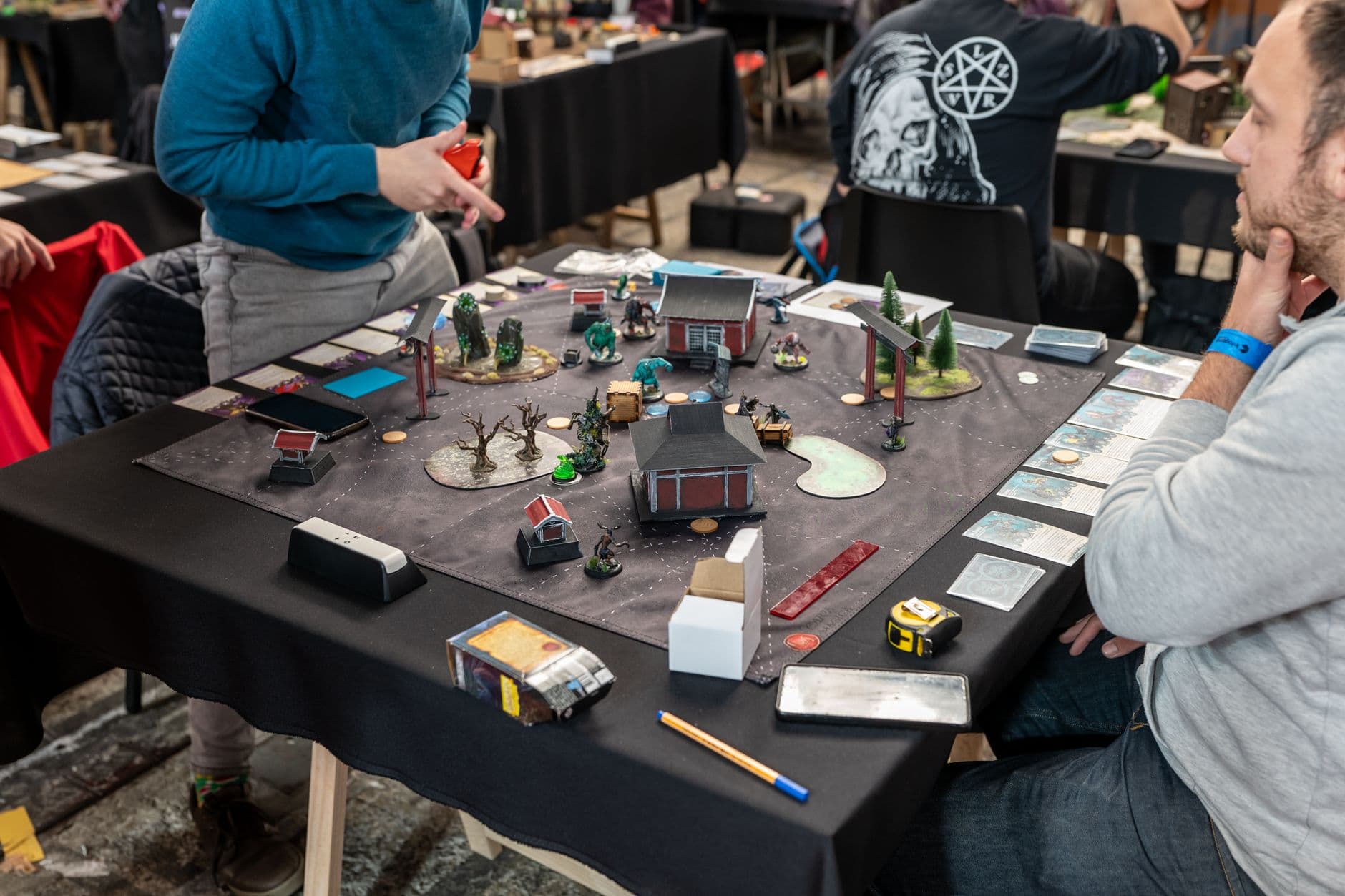
Tacoma also matters because the event footprint keeps growing. The 2026 Tacoma Open was framed as the first event in the world to use Ready Painted Terrain, with more than 500 Grand Tournament players and 100 Narrative players, and it was described as the largest 11th-edition Warhammer 40,000 event to date. That scale matters for list builders because standardised terrain and a bigger field make it harder to lean on one narrow trick and easier for all the pressure points in your army to show.
The US Open circuit has always rewarded lists that can handle the format, not just the mirror. Tacoma keeps proving that point. In 2023 it ran July 14 to 16 as the second US Open event of the season and drew around 1,000 players across Age of Sigmar, Kill Team, Horus Heresy, Blood Bowl, and Underworlds, which is exactly why its 40k results carry so much weight in the wider scene.
Tacoma is not telling players to chase a single copied list. It is telling them to build like the next round will be worse, the terrain will be tighter, and the opponent will know the trick already. That is why Custodes, cheap utility bodies, and stratagem-denial tech are the pieces to watch, and why Tacoma remains the clearest early read on where 11th edition 40k is actually heading.
This article was produced by Prism’s automated news system from verified source data, official records, and press releases, then run through automated quality and moderation checks before publishing. The system is built and supervised by the people who set the standards it runs under. Read our full AI policy.
Did this article answer your question?