Updated 40k base-size guide covers Armageddon Starter Set models
Armageddon Starter Set kits put base size back on the critical path for 11th Edition. The updated reference helps you avoid rebasing mistakes, event disputes, and transport headaches.
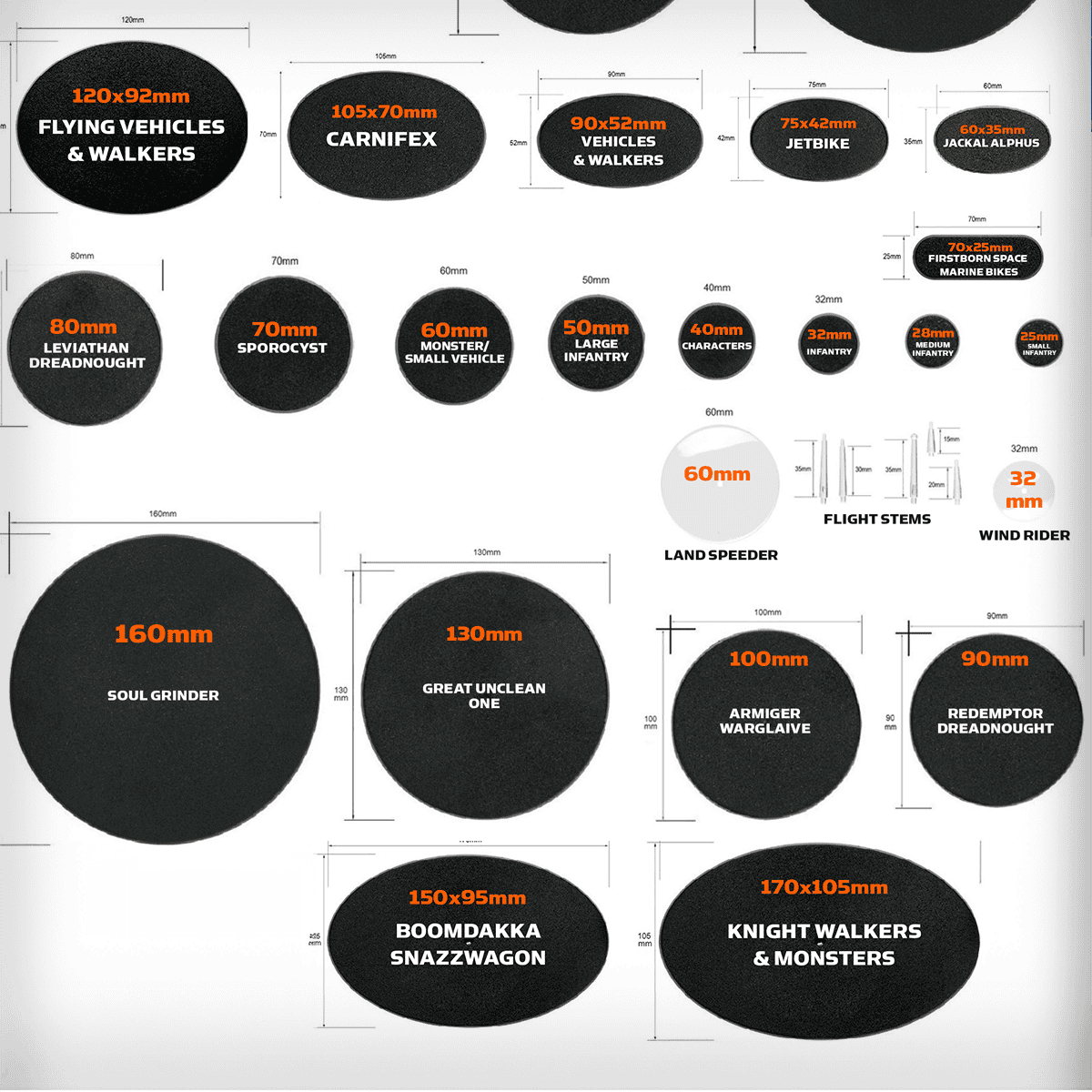
If you crack open an Armageddon Starter Set, base size stops being a background detail and starts affecting how the army actually plays. The updated 40k base-size reference gives you one place to check what your models should sit on before you glue, prime, magnetize, or pack them for an event. It matters most when you are dealing with older kits, second-hand armies, or legacy sculpts that do not always match the base people expect today.
Why base size is a game problem, not just a hobby one
A model’s footprint changes the way it moves, screens, holds objectives, and uses cover. A bigger base can make it easier to contest space or block lanes, while a smaller one can squeeze into places that feel awkward in play. That is why base size turns into a matched-play issue fast, especially once you are practicing for a tournament or trying to avoid a rules argument mid-game.
The practical side is simple: if the base is off, the model can feel off on the table. You may still have a perfectly painted unit, but if it is standing on the wrong size for its current expectation, you risk friction when you measure coherency, check line of sight, or place it on an objective.
The Armageddon Starter Set makes this immediate
Starter sets are where a lot of players meet the base-size question for the first time, because they often contain new miniatures that everyone wants to build right away. The Armageddon Starter Set releases put that question on the bench immediately. If you are assembling those models fresh, you want to know the correct base before the first layer of plastic glue ever dries.
That same update also helps players who are not starting from scratch. New releases can change what feels normal on the bench, and they can expose gaps in older collections. If your army mixes fresh starters, inherited models, and units you built years ago, the reference becomes a quick sanity check.
Where older kits and legacy sculpts create the most trouble
Older kits are the danger zone because they often come from a different era of model design, packaging, and base expectations. Second-hand armies are even trickier, because you are not just inheriting paint and glue, you are inheriting someone else’s assumptions about what counts as correct. Legacy sculpts can look fine at a glance and still be wrong for current play if their base does not line up with the modern expectation for that unit.
Use the reference to judge when the base is close enough to pass normal community tolerance and when the mismatch is big enough that you should fix it before a matched-play event turns it into an argument.
The bench-side workflow that saves you from a rebasing mess
The most useful way to use a base-size reference is as part of your build order, not as a last-minute check. Before assembly, confirm the expected base for the unit. If you are working on an older kit or a thrifted army, compare the current expectation with the base already attached, then decide whether the model can stay as-is or needs a change.
A practical workflow looks like this:
- Check the unit before assembly, especially for starter-set models and legacy kits.
- Match the base to the current expected size before painting, so you do not strip work later.
- If you magnetize, measure the base before you buy trays or transport foam.
- If you are heading to an event, use the expected size for the unit, not the size that happened to come in an old box.
That last point saves the most headaches. Transport systems, magnetic trays, and storage cases are all easier to plan when the footprint is right from the start.
Why the guide works for both new players and veteran collectors
The guide is organized in a way that suits a real collection, not just a one-off squad. A new player can use it to answer the simple question of what to mount a fresh kit on. A veteran can use it to verify whether an older model still matches its current expected base. And if you are managing a mixed army, the faction-by-faction structure keeps you from hunting through a pile of notes every time a unit changes.
Related basing resources help when you are planning basing styles, and magnetic solutions matter if your army lives in trays, cases, or foam.
What to change and what to leave alone
Not every model needs to be rebased just because it is old. If the base is already within the range your local group or event is likely to accept, you may be better off leaving a finished army alone than tearing it apart for no real gain. The trouble starts when a unit’s footprint clearly falls outside what the current game expects, because that is when movement, objective play, and tournament legality start to wobble.
Use the guide to decide when a base swap is worth the work and when normal community tolerance is enough to keep the model on the table.
This article was produced by Prism’s automated news system from verified source data, official records, and press releases, then run through automated quality and moderation checks before publishing. The system is built and supervised by the people who set the standards it runs under. Read our full AI policy.
Did this article answer your question?