War in the Caribbean VI shows 11th edition reshaping competitive Astra Militarum play
War in the Caribbean VI shows Guard players already rebuilding around missions, not just guns. Reece Robbins’s Priority Assets list makes 11th edition look like a test of planning, not brute force.
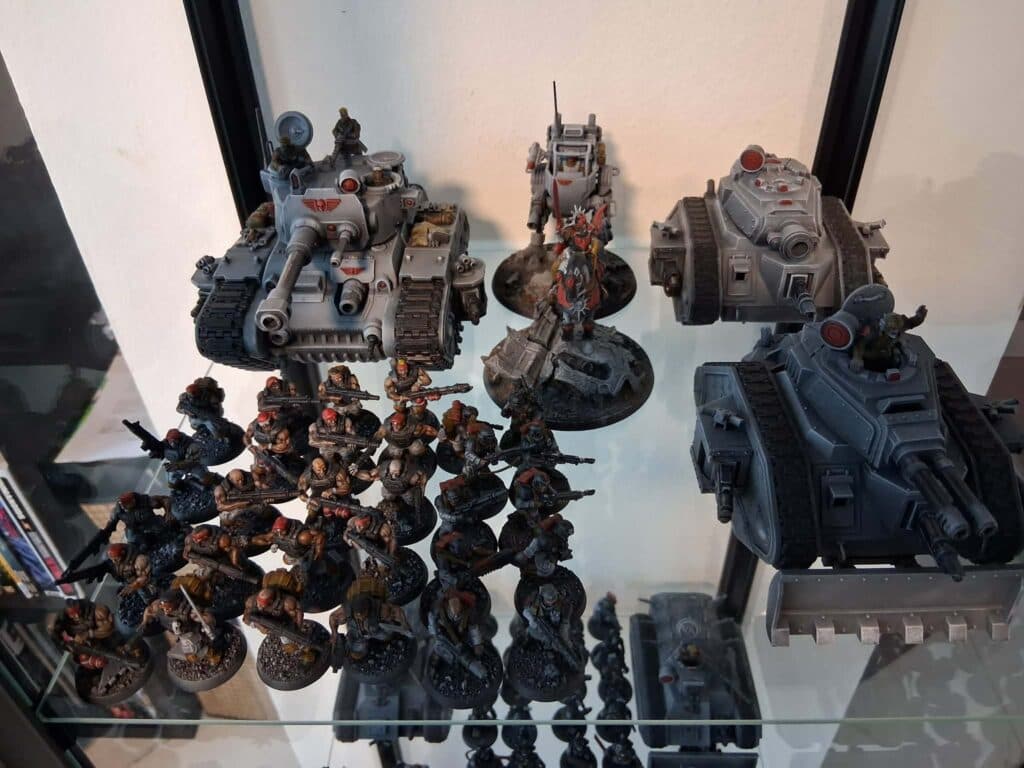
War in the Caribbean VI offered one of the first useful looks at how 11th edition is changing Astra Militarum from the table edge inward. Reece Robbins opened his tournament report by saying it was his first 11th edition event and that he had brought his Guard as Priority Assets, which immediately frames the new edition the right way: list building, detachment rules, deployment, and mission play are all pulling in the same direction now.
The first Guard snapshot of the new edition
That matters because this is not a quiet rules-change cycle. Games Workshop revealed the new edition of Warhammer 40,000 at its AdeptiCon preview on March 26, 2026, then rolled it into the Warhammer 40,000: Armageddon launch box, with pre-orders starting June 6 and product in stores from June 20. By the time War in the Caribbean VI was being played on July 1, 2026, the edition was still fresh enough that every serious event is doing double duty as both competition and live-fire testing.
Robbins’s tone makes the report especially useful. He writes like someone actively adjusting to a new environment, not like someone defending an old one. He also says the people around him have been positive about the new edition so far, which is an important tell: players are not just tolerating the shift, they are still finding it interesting enough to keep experimenting.
Why Priority Assets is the right lens
The phrase Priority Assets tells you a lot about how Astra Militarum is being approached in 11th edition. Guard have never been about a single heroic unit carrying the whole game. They win by turning support pieces into scoring pressure, layering board presence, and making the opponent spend turns clearing things that still matter after they die. That kind of army is exactly where missions, dispositions, and deployment choices start to matter as much as raw damage.
Robbins’s report points to a practical truth for list writers: the Guard are not just a stat check army anymore, if they ever were. You have to know which assets are truly priority pieces, which units are there to stage, which ones can trade, and which ones exist to lock down the primary while the rest of the list keeps pace. In 11th edition, those decisions do not sit in the background. They are the game.
The faction’s roughly 37 percent overall win rate gives the clearest warning against lazy assumptions. That number sounds grim, but it does not mean Guard are dead. It means the faction has become a sharper skill check, where capable hands are still finding lines that work and players who misread the mission package are falling behind.
What the current update cycle means for Guard lists
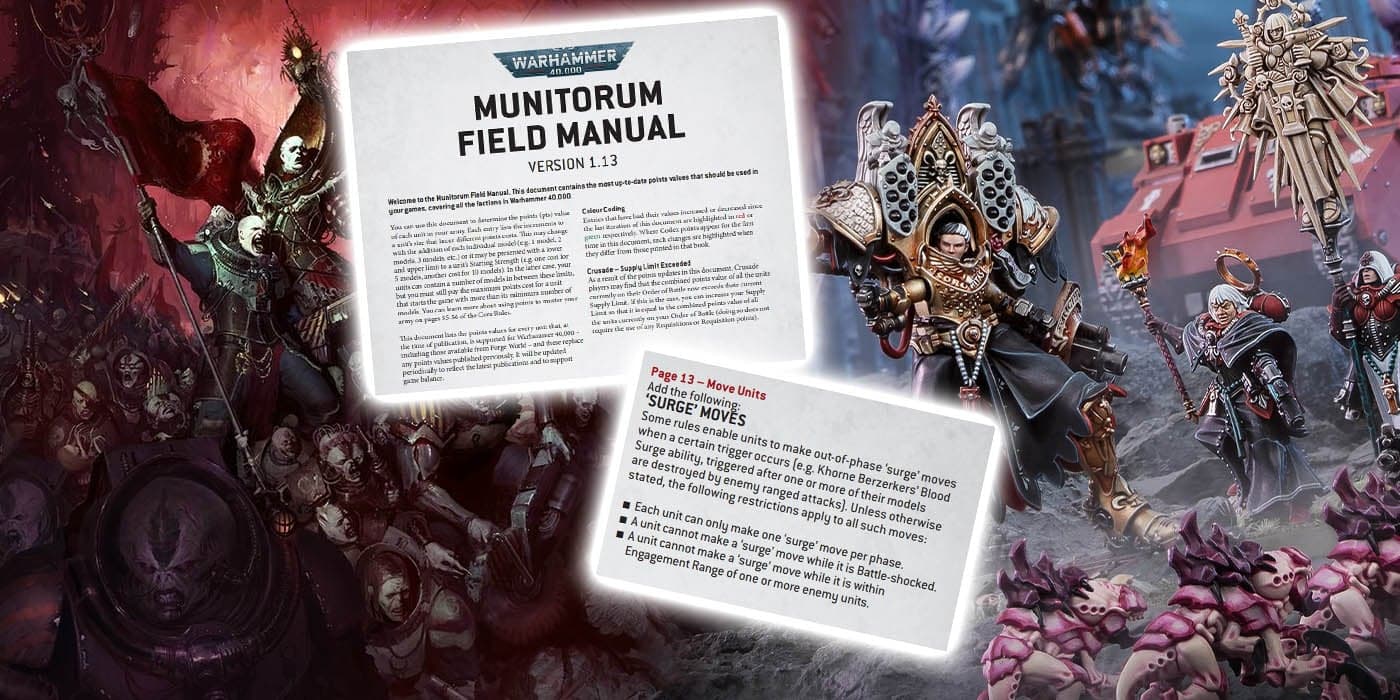
The June 2026 Astra Militarum faction pack update adds another layer to the picture. Warhammer Community’s downloads page lists the faction pack as last updated on June 11, 2026, showing that the army is still being actively maintained right as players are settling into the edition. That matters for competitive Guard because it keeps the faction in motion. Lists are not frozen by a single codex moment; they are still being nudged by errata, feedback, and points adjustments.
That same pattern showed up in the March 2026 balance update, which specifically gave Rogal Dorn tanks a small points increase. For Guard players, that kind of change is not abstract bookkeeping. Rogal Dorns sit in the space between durable presence and expensive commitment, so even a small points bump changes how many heavy anchors you can realistically fit and what support package can follow them. In a faction that often lives or dies on the efficiency of its support web, that ripple reaches deep into the roster.
The practical takeaway is straightforward: if you are building Astra Militarum for the next event, you should treat every points update as list-shaping, not list-polishing. The army is still in the zone where one change to a key chassis can alter how the rest of the list is expected to score.
Mission play is already rewiring competitive habits
The clearest reason the report feels like an early metagame snapshot is that it keeps circling back to mission planning. That fits the current tournament framework, because the Chapter Approved Mission Deck 2026-27 is built around 88 cards and six cardboard objective tokens, with separate cards for Deployment, Force Disposition, Primary Mission, Secondary Mission, and Twist effects. It is designed to set up missions for both narrative and competitive play, which means the edition is pushing players to think in stages, not just in damage outputs.
For Guard, that changes the entire decision tree. Deployment matters because where the army starts can determine which support pieces survive long enough to matter. Force Disposition matters because it affects how you present a board state that can absorb punishment without giving away objectives. Primary and Secondary Mission cards matter because Astra Militarum tends to win by converting bodies, armor, and redundancy into points over time rather than by tabling the opponent.
That is why Robbins’s emphasis on trying combinations of detachment rules, stratagems, enhancements, and mission choices is so on the nose. The report is showing that the people putting results together early in 11th edition are not just asking, “What kills the most?” They are asking, “What survives long enough to score, and what sequence of choices makes that possible?”
What to build toward next
If the early pattern holds, Astra Militarum players should be thinking in terms of adaptable scoring shells rather than rigid damage packages. The most actionable habits from War in the Caribbean VI are the ones that lean into reps, mission knowledge, and the discipline to test strange-looking combinations before dismissing them. Guard still reward clean fundamentals, but 11th edition is making those fundamentals more specific: exact deployment, exact trade timing, and exact understanding of which units are there to win turns, not just fights.
That is what makes this tournament report valuable. It does not read like a victory lap or a doom post. It reads like the first serious field note from an edition where the Guard are still being rebuilt in public, and where the players who solve the mission better will shape the next round of lists.
This article was produced by Prism’s automated news system from verified source data, official records, and press releases, then run through automated quality and moderation checks before publishing. The system is built and supervised by the people who set the standards it runs under. Read our full AI policy.
Did this article answer your question?