Warhammer 40,000 11th edition base sizes reshape melee engagement range
Small base-size shifts now change who fights, who screens, and who gets tagged first in 11th edition. If your melee plans rely on old spacing habits, this is the rule to recheck.
Small base changes now matter in melee
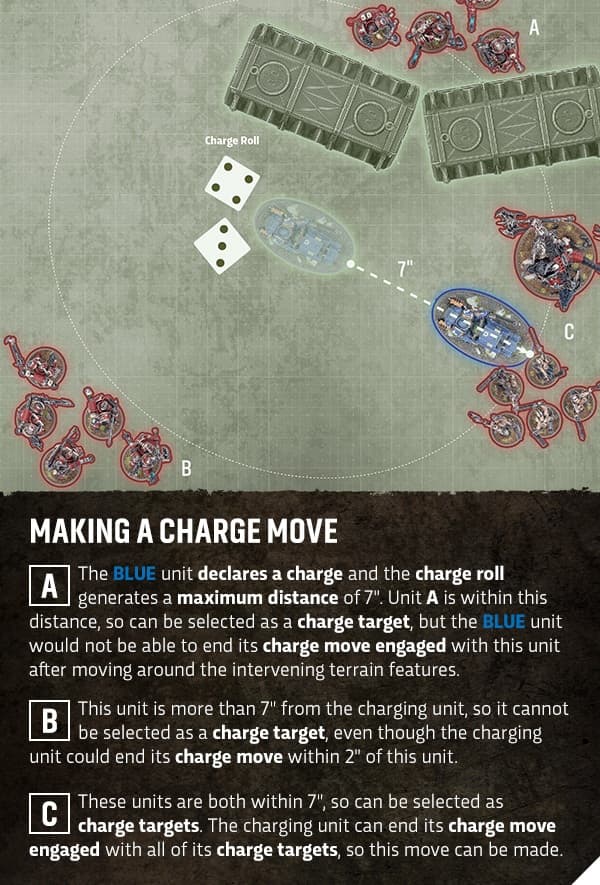
A tiny shift in base size can change the entire fight phase in Warhammer 40,000 11th edition. Once engagement range is tied to the physical footprint on the table, the gap between “close enough” and “out of range” stops being a rounding error and starts deciding who swings, who gets pinned, and who loses movement freedom.
That is the key lesson here: base geometry is no longer a side issue. It affects tagging, screening, pile-ins, counter-charges, and the way your army occupies space from turn one onward. If you have been treating base size as a hobby detail, 11th edition turns it into a rules issue.
Why base size matters more now
The practical effect is simple. When a model’s base changes, the distance that model can meaningfully project on the table changes with it. That matters in melee, where exact placement determines whether a unit can make contact, whether it can trap an enemy unit, and whether a screen actually blocks the route you thought it blocked.
This is why the new engagement range rules feel so important at the start of the edition. Many armies are still being remounted, re-based, or re-evaluated for optimization, and that means the models on your tray may not behave the way they did in previous games. In a system built on tight movement and precise spacing, even a small footprint change can ripple into a much larger tactical result.
Where players are most likely to make costly mistakes
The first trap is movement. If you are used to sliding models into positions that worked under older assumptions, you may now be setting up charges or consolidations that are subtly too loose. A unit that looks close enough across the table can end up failing to interact because the actual edges, not the visual impression, decide the fight.
The second trap is tagging. Melee units often win games by shutting down enemy movement, forcing awkward fall backs, or trapping support pieces behind the front line. If the base sizes in your army or your opponent’s army shift the effective reach of contact, then old tagging patterns can stop working cleanly. What used to be a safe trap can become a near miss.
The third trap is screening. Screens only work if the physical spacing really denies access. When engagement range is altered by model footprint, your screen may leave a lane you did not think existed, or it may cover less than you expected once pile-ins and contact points are measured properly. That is especially punishing in 11th, where getting the geometry wrong can hand over an opening for a counter-charge.
The fourth trap is the counter-charge itself. If your opponent can exploit a gap in your spacing, the table stops being about raw damage output and becomes about who understood the shape of the battlefield better. The rule change makes that kind of positional mistake much more expensive than a simple failed wound roll.
What units deserve a recheck first
The biggest payoff comes from checking the armies that live and die by contact. Infantry bricks are obvious candidates, because they often rely on dense spacing to control objectives and pressure key areas of the board. If the bases on those models have changed, the whole unit can behave differently when it tries to compress into a melee lane or fan out to screen.
Monsters and vehicles deserve attention too. The research makes clear that 11th edition is not only about infantry footprints; it is about how infantry, monsters, and vehicles occupy space on the table. That means large models can alter blocking patterns, objective control bubbles, and how opponents route around them even when they are not actually fighting.
If you run a melee army, this is the point where the edition becomes a practical puzzle rather than an abstract rules update. The same is true if your list depends on precise positioning rather than brute force. Units that once fit neatly into a charge lane may now need different spacing, different staging, or different support.
The start-of-edition fix list
Before your next game, take the time to recheck the parts of your collection that matter most in close combat. The goal is not to rebuild your entire army overnight. The goal is to make sure your physical models still match the tactical assumptions you have been making.
- Check which units have changed bases since your last serious event or pickup game.
- Re-measure the spacing on your melee pieces, especially units that rely on tight pile-ins or layered charges.
- Review your screens and make sure they still deny the routes you expect them to deny.
- Look at your monsters and vehicles, since their footprint can alter how the board is occupied even when they are not the ones fighting.
- Re-evaluate your charge lanes and counter-charge angles before you lock in a list.
That kind of review matters even more if you are optimizing for the early part of the edition. The note that many armies are still being remounted, re-based, or re-evaluated is a warning as much as an observation. If you wait until your first surprise loss to notice the problem, the geometry has already taken its toll.
Why this reaches beyond melee armies
This is not just a close-combat story. The broader signal from 11th edition coverage is that the board itself is being reimagined, not merely the mission pack or damage math. Once the battlefield’s physical logic changes, every army has to care about how space works, even if it plans to win from range.
That is why this rules shift feels so important for list building and onboarding. New players need a cleaner understanding of where models really fit, and experienced players need to unlearn habits that only worked because the old geometry let them. If you are building around precise movement, then the margin for error has narrowed.
Small base-size differences now create real melee consequences in 11th edition, and that is the kind of change that can decide whether a unit lives, dies, or gets to swing first. If you want your armies to behave the way you expect, the fix starts with the base under each model and the space around it.
This article was produced by Prism’s automated news system from verified source data, official records, and press releases, then run through automated quality and moderation checks before publishing. The system is built and supervised by the people who set the standards it runs under. Read our full AI policy.
Did this article answer your question?