Warhammer 40,000 11th edition rewrites movement and terrain rules
11th edition makes movement the sharpest skill check in 40k, with terrain footprints, Hidden units, and objective play all getting tighter.

Movement becomes the edition’s first real test
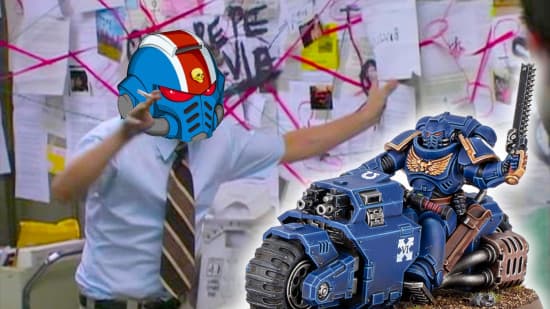
The biggest 11th edition shake-up is not a new damage profile or a flashy detachment trick. It is the moment your models hit the table and you have to decide exactly where every base goes, because unit positioning now gets two big changes that Goonhammer flags as major adjustments for returning players. That is the kind of rules shift that quietly decides games from turn one, especially for anyone whose 10th edition habits were built on looser assumptions about space, terrain, and safe angles.
That focus makes sense because movement has always been the phase that turns theory into reality. Warhammer Community has previously called Movement “arguably the most important phase” in Warhammer 40,000, and 11th edition looks determined to make that statement feel less like veteran wisdom and more like a hard rule of table life.
Terrain is no longer just scenery
The cleanest way to understand the new board is to stop thinking about terrain as a single object. In Warhammer Community’s launch coverage, terrain is split into two parts: terrain features and terrain areas. The terrain area is the footprint on the battlefield under the effects of that scenery, which means what matters is not just the ruin you can see, but the area it claims on the table.
That matters immediately for positioning, screening, and charges. If terrain is being measured by footprint, then where a unit stands relative to that footprint becomes part of the rules engine itself. Sloppy placement that might have been tolerated before now risks exposing units, blocking your own lanes, or leaving you short of the exact line you needed for a charge or objective grab.
Hidden units and the new visibility puzzle
The other huge change is how concealment works inside terrain areas. Warhammer Community says Infantry, Beast, and Swarm models inside a terrain area can be Hidden if their unit did not shoot in the current or preceding player turn. Hidden models are usually only visible to enemy units within a 15-inch detection range, and most terrain is Obscuring, meaning terrain areas cannot be seen entirely through.
That combination rewires the way experienced players approach threat assessment. You are no longer just asking whether a unit is behind a wall, but whether it has fired, whether it qualifies for Hidden, and whether the enemy can actually get within that 15-inch band to see it. The practical result is obvious: safe staging becomes more deliberate, and overextending a unit into the wrong terrain footprint can cost you the protection you thought you had.
For charges and counterplay, this is especially punishing. A unit that looks screened on paper may still be exposed to a hidden angle if the footprint math is off. A charge lane that feels blocked may be open once the battlefield’s geometry is measured against the new terrain area rules instead of old instinct.
Cover now pressures the shooter, not just the target
Cover has also been reworked in a way that will catch veteran players out fast. Warhammer Community says cover now gives the opponent a -1 penalty to Ballistic Skill, rather than a +1 bonus to armour saves. That is not a cosmetic change. It shifts the value of cover from a defensive afterthought into a direct accuracy problem for the shooter.
That change affects table confidence from the first match. If your shooting plan depends on reliable hit rates, then firing through terrain is no longer just about how much armour the target gets to keep. It is about whether the shot is now functionally degraded before the dice even start rolling. In practical terms, that makes movement and firing lanes inseparable: the best shooting armies will be the ones that learn to move for clean angles instead of assuming cover is merely a save tax.

Objectives are now part of the terrain game
The old habit of playing around circular objective markers is gone. Warhammer Community says the era of circular objective markers is over and that objectives are now tied to terrain footprints and battlefield features. That is one of the clearest signs that 11th edition wants board control to feel physical again, not abstract.
The consequences are immediate. You are not just moving toward a token in open space, you are fighting over pieces of the battlefield that already shape line of sight, movement lanes, and safety. That changes how you stage charges, how you screen deep strike threats, and how you decide whether to commit a unit to hold ground or keep it flexible for the next turn.
When objectives are welded to terrain footprints, every inch matters twice. It matters for scoring, and it matters for surviving long enough to score again.
The kit that tells you how serious this is
Games Workshop backing this up with a Terrain Area Set is a clue all by itself. The set includes 16 double-sided card templates that can recreate all the official terrain maps for the new edition. That is not just a hobby accessory, it is physical infrastructure for the rules.
The message is hard to miss: 11th edition expects standardised footprints, repeatable layouts, and a shared language for where terrain begins and ends. For players, that means practice on the right boards will matter more than ever. If you can read the official terrain shapes quickly, you will set up better, move better, and make fewer costly assumptions in the opening turns.
Why the early rule updates matter
The timing reinforces how live this rules environment still is. Warhammer Community’s downloads page shows the #New40k Core Rules updated on June 1, 2026, and the Balance Dataslate last updated on April 3, 2026. That tells you the edition is arriving with active rules support already in motion, not as a frozen launch package.
It also fits the tone of Goonhammer’s June 1, 2026 movement deep dive, which is aimed primarily at existing players and emphasizes that the new movement rules are among the biggest things returning players will need to unlearn. The article’s discussion of unit positioning and coherency changes sits neatly alongside the official terrain changes: 11th edition is tightening the relationship between movement, terrain, and board control, not loosening it.
That is why movement will decide so many first games. If you understand the new footprints, the Hidden rule, the 15-inch detection range, and how objectives now live on terrain instead of circles, you are already playing a different game from the player relying on 10th edition muscle memory.
This article was produced by Prism’s automated news system from verified source data, official records, and press releases, then run through automated quality and moderation checks before publishing. The system is built and supervised by the people who set the standards it runs under. Read our full AI policy.
Did this article answer your question?