Warhammer 40k experts show how to expand Space Marines armies
The smartest next buy after a Space Marines starter set is a command core, scoring bodies, and one hard melee brick. Siegler and Lennon show why.
Captain Titus sits at the center of the sample army. After a starter set, the next purchase needs to do a job on the table: hold objectives, protect characters, threaten the midboard, or give you a credible answer to armor. Richard Siegler and John Lennon apply that practical lens to Space Marines, and their example build shows how to turn a starter collection into a real army.
Buy units that solve a problem
The cleanest way to grow a Space Marines force is to stop thinking in terms of “best models” and start thinking in terms of battlefield roles. Intercessors are your simplest objective-control piece, because they give you bodies that can sit where they need to sit without asking for a complicated plan. Bladeguard Veterans are the opposite end of that same coin, giving you a durable melee unit that can trade into the midfield and punish anything that overcommits.
Characters are not just decoration in this edition, either. In the sample army, the list is built to support Titus, not because he looks good in a display case. The lesson is simple: your next buy should connect to a detachment and to a job, whether that is command support, utility, or extra punch in the crucial turn when the board starts to collapse into a few key fights.
What the featured Ultramarines list is really teaching you
The example army is a 2,000-point Ultramarines Strike Force built around the Reclamation Force and Librarius Conclave detachments. Reclamation Force ties into Take and Hold, while Librarius Conclave uses Reconnaissance, and together they frame a force that wants to control space, hide information, and then hit hard when the opponent steps too close.
That is why the list includes Victrix Honour Guard alongside Bladeguard Veterans and named leaders. The army is built to survive the first clash and then dictate the second one. It leans into reactive moves and rewards patience instead of a single damage spike that only works in perfect conditions.
You do not need to copy this exact 2,000-point roster unit for unit. The list shows how a starter force grows into a structure. Titus gives you a center. Intercessors give you board presence. Bladeguard Veterans give you the hammer. Calgar, Sicarius, the Librarian, and the Lieutenant with combi-weapon turn those pieces into an army instead of a pile of good kits.
The safest path from starter box to a functional army
If you are graduating from Armageddon or Getting Started with Space Marines, the best next purchase order is the one that gets you to a legal, playable core before you start hunting prestige picks.
1. Add the unit that scores.
Intercessors are the first clean buy because they solve the most boring but most important job in the game: standing on the thing. In matched play, local store games, and even a Warhammer Open event, you need bodies that can hold ground while the rest of the army does the heavy lifting.

2. Add the unit that fights for the middle.
Bladeguard Veterans are the obvious follow-up because they turn your force from “I can occupy objectives” into “I can take them off you.” They are the kind of purchase that makes your starter collection feel like a real army instead of a demo force.
3. Add the character that unlocks your plan.
Captain Titus is the headline pick in the sample build, but the broader rule is simple: choose the character that matches your detachment, then build around that choice. If you want a more psychic angle, the Librarian makes sense in a Librarius Conclave shell. If you want a more aggressive command anchor, Calgar or Sicarius fits the job.
4. Add protection and support before you chase specialty answers.
Victrix Honour Guard and the Lieutenant with combi-weapon are not glamorous buys, but they make the army more reliable. They keep your key pieces on the table long enough to matter, which is worth far more than a flashy unit that dies before it changes the score.
5. Only then start padding into dedicated anti-tank.
This is the trap a lot of new Marine players fall into. They buy the answer to armor before they have the core that can take and keep objectives, and the result is a force that looks punchy but plays thin. The better order is the opposite: build the command structure, build the midboard, then add the tools that clean up vehicles and monsters once your army already functions.
Why the current starter products point you this way
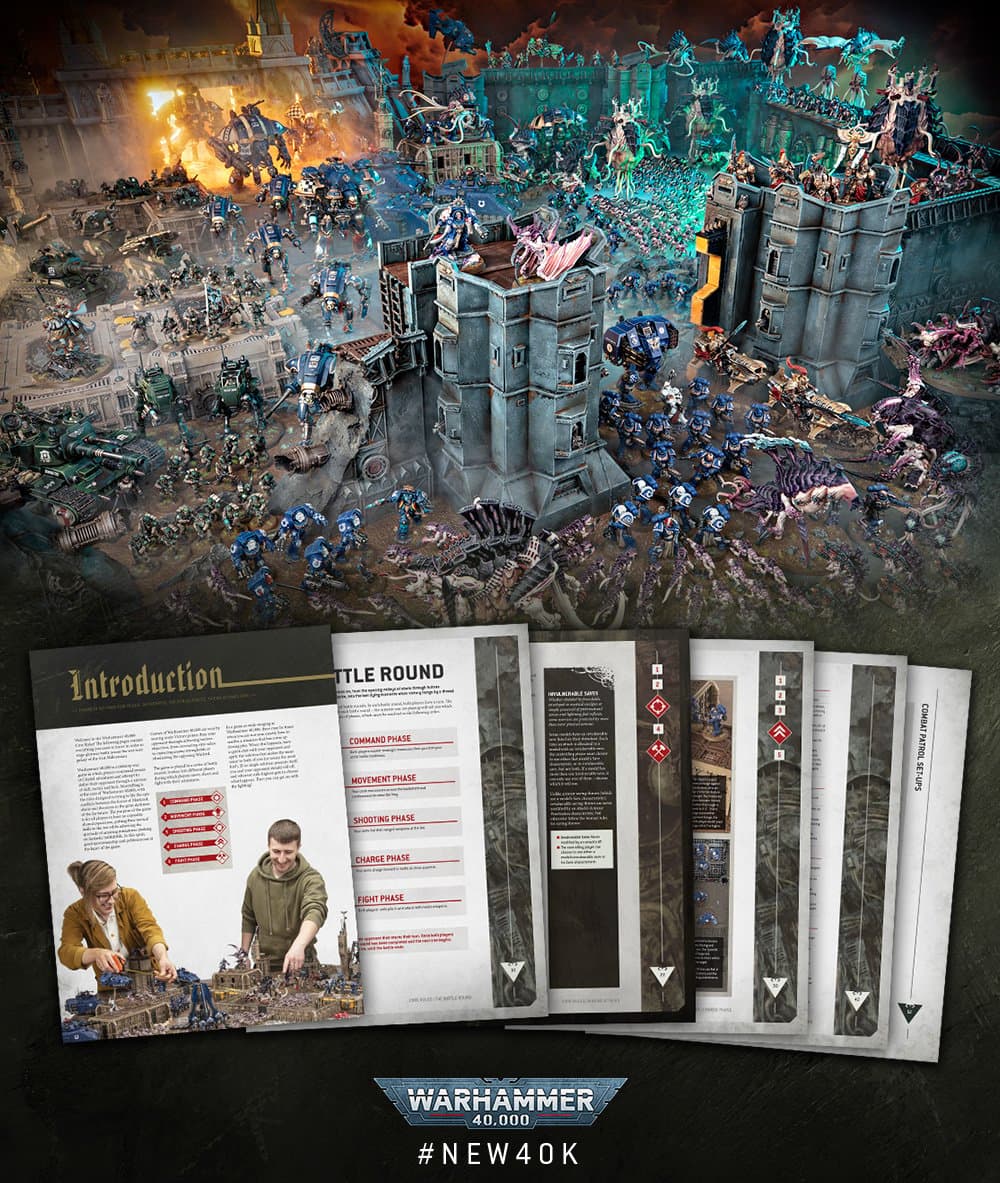
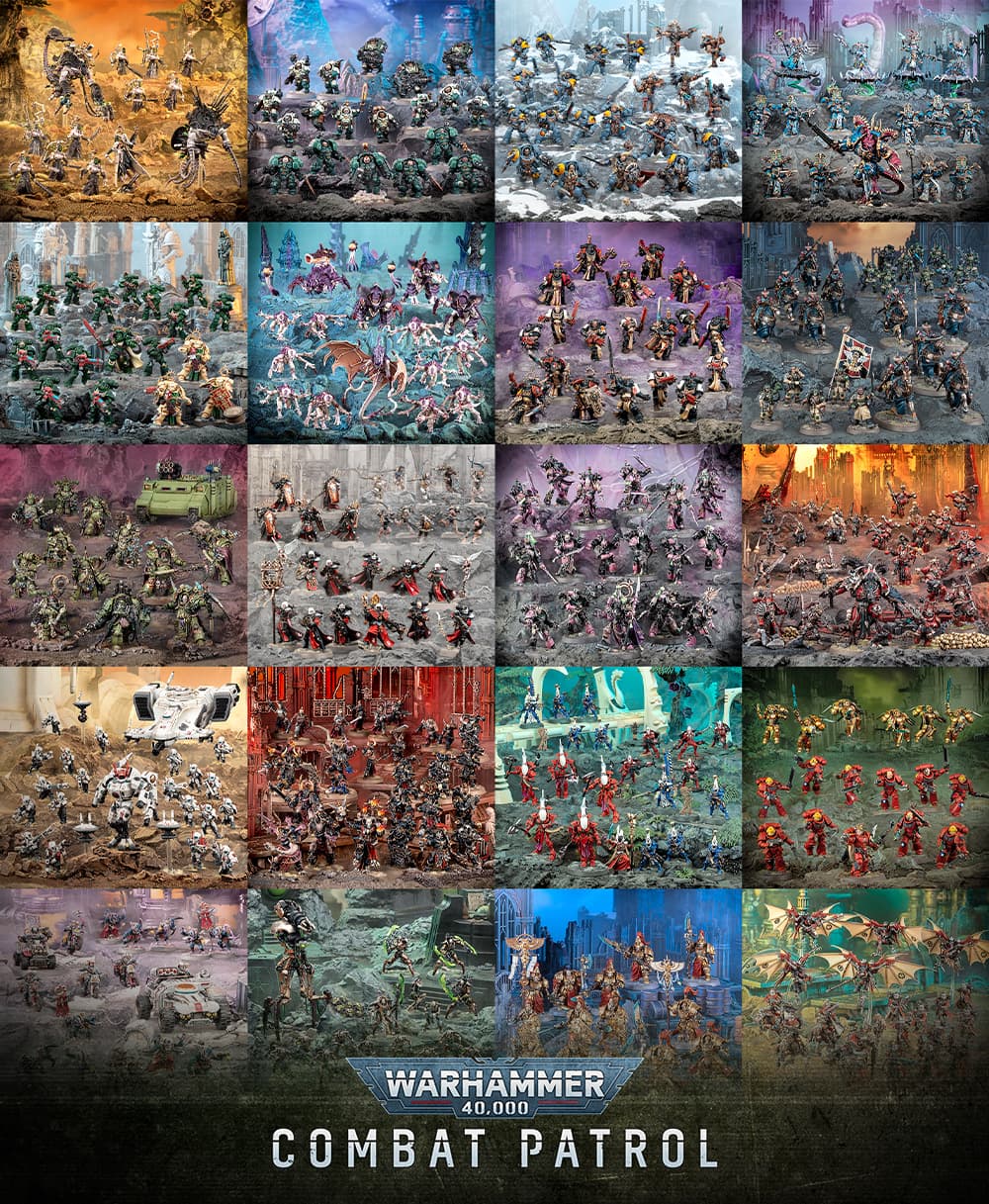
Games Workshop’s new Starter Set, unveiled on June 26, is set up to make that transition easier. It includes two complete Combat Patrol armies, a Core Rules book, 15 pieces of unpainted terrain, a double-sided game board, range rulers, dice, and a Starter Guide. The Getting Started with Space Marines box goes one step more faction-specific, with a full Combat Patrol, an introductory guide, a starter paintbrush, and 11 paints chosen for the faction.
10th edition was framed as a complete revision of Warhammer 40,000, with Combat Patrol positioned as the low-friction way to start playing quickly with any faction box. Those products get you from first games to a point where your purchases have to make list-building sense.
Why Siegler and Lennon carry weight
Siegler is the 2025 World Champion of Warhammer 40,000, with three Warhammer Open wins in 2021 and two ITC titles to his name. Lennon took second at the inaugural World Championships of Warhammer 40,000 in Atlanta with Ultramarines, in an event that drew more than 340 players from over 40 countries.
This article was produced by Prism’s automated news system from verified source data, official records, and press releases, then run through automated quality and moderation checks before publishing. The system is built and supervised by the people who set the standards it runs under. Read our full AI policy.
Did this article answer your question?