Aftershave splash goes before balm, Shave Dad says
Splash first, balm second is a skin-care move, not a clubhouse rule. The right order helps each product do its job, especially if your face runs dry or irritated.
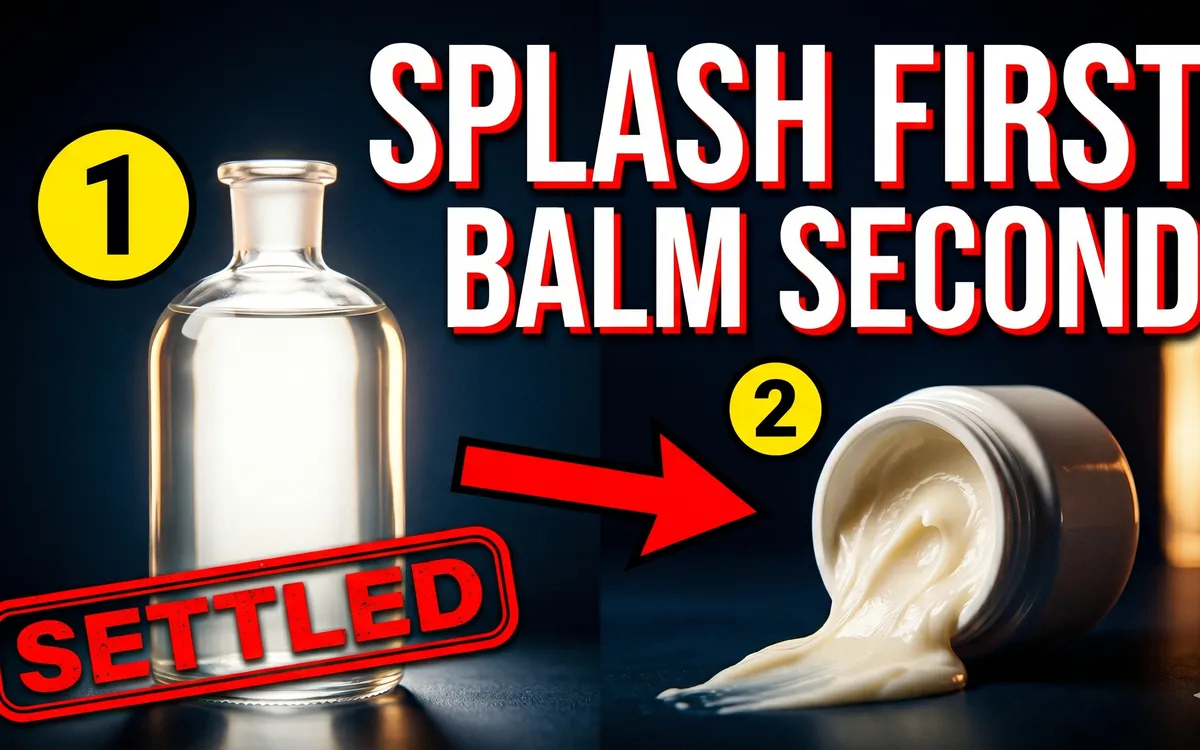
If you use both a splash and a balm, the splash belongs on bare skin first, and the balm goes on after it. That sequence keeps the lighter, water-based layer in direct contact with the face, then lets the thicker finish seal things in instead of blocking the first layer from working.
Why splash goes first
Shave Dad argues that products designed to hit bare skin should not be trapped under a sealing layer. A splash is built for immediate skin contact, so it can deliver that sharp, bracing finish, a bit of toning, and whatever post-shave feel you want from the formula. A balm is the opposite kind of tool. It is thicker, more cushioning, and meant to sit on top as the last step.
That logic lines up cleanly with basic skin-care layering. The American Academy of Dermatology advises that the order you apply products affects how well they work, and recommends putting treatment products on before moisturizer and sunscreen. In shaving terms, splash plays the treatment role and balm plays the moisturizer role. If you flip them, you are not just changing ritual, you are changing what reaches the skin first.
What balm is actually doing
A good balm is not just a softer aftershave. It functions like a finishing layer that helps hold moisture in and reduce the dryness that a close shave can leave behind. Occlusives create a protective seal and help reduce water loss, and common examples include petrolatum, dimethicone, beeswax, and shea butter. That is the job description you want from a balm, because it belongs at the end of the chain.
The standard skin-care shortcut, humectant first, emollient second, occlusive last, makes the same point in plain language. In that sequence, the splash is the layer that lands directly on skin, and the balm is the lock that goes over it. Put the seal on first, and the product underneath has a harder time doing anything useful.
Who actually benefits from using both
Using both makes the most sense if you want the classic splash feel and the skin-comfort payoff of a balm. That combination is useful when you like fragrance or a quick, crisp finish but still need moisture, softness, and barrier support after the razor. It also makes sense when the shave was a little aggressive, the weather is dry, or your face tends to feel tight a few minutes after rinsing.
The routine is especially useful for shavers who treat post-shave care as skincare instead of an afterthought. The splash gives you the immediate post-shave layer. The balm adds the more protective finish.
What goes wrong when you reverse it
When balm goes on first, it can interfere with the splash’s ability to contact the skin. That matters because the splash is often the product doing the first round of work after the blade comes off the face. If you bury it under an occlusive layer, you are effectively blunting the step that was meant to come first.
Plenty of shavers grew up on a certain order and never questioned it, but the function is what matters. A splash under balm is less efficient.
Dermatology guidance backs this up
The American Academy of Dermatology advises shaving at the end of a shower or bath and applying shaving cream or gel before the blade touches skin. After shaving, it recommends steps that help reduce irritation, and in its dry-skin guidance it says moisturizer plays a key role in healing dry skin. That is the same layering logic at work in post-shave products.
Razor burn is commonly linked to dry shaving and to shaving with an old razor, and treatment can include cold compresses and emollients. A harsh shave calls for layers that calm, soften, and protect the skin once the pass is over.
Where aftershave fits in today
Aftershave used to mean one thing: an alcohol-based splash. Over time, the category expanded into lotions, balms, gels, and other moisturizing forms, which is why the old rules get messy in modern bathrooms. Once you start mixing a classic splash with a skincare-style balm, the old “just slap it on” logic stops being enough.
Old Spice launched in 1937, which is a good reminder of how long aftershave has been part of mainstream grooming in the United States. But the product world has changed since then. A bottle that once mainly signaled scent and sting now often sits in the same routine with something designed to hydrate, soften, and repair.
How modern brands frame the finish
Gillette’s March 25, 2026 razor-burn guidance recommends finishing with alcohol-free aftershave or a fast-absorbing moisturizer after shaving. Gillette also describes some shave gels as alcohol-free and made to cool and soothe skin while helping protect against shaving irritation.
This article was produced by Prism’s automated news system from verified source data, official records, and press releases, then run through automated quality and moderation checks before publishing. The system is built and supervised by the people who set the standards it runs under. Read our full AI policy.
Did this article answer your question?