Sharpologist refreshes safety razor guide for comfort, consistency, and fit
Sharpologist’s 2026 refresh shifts the safety razor conversation from “best overall” to best fit. The real winner is the razor that matches your beard, skin, and technique.
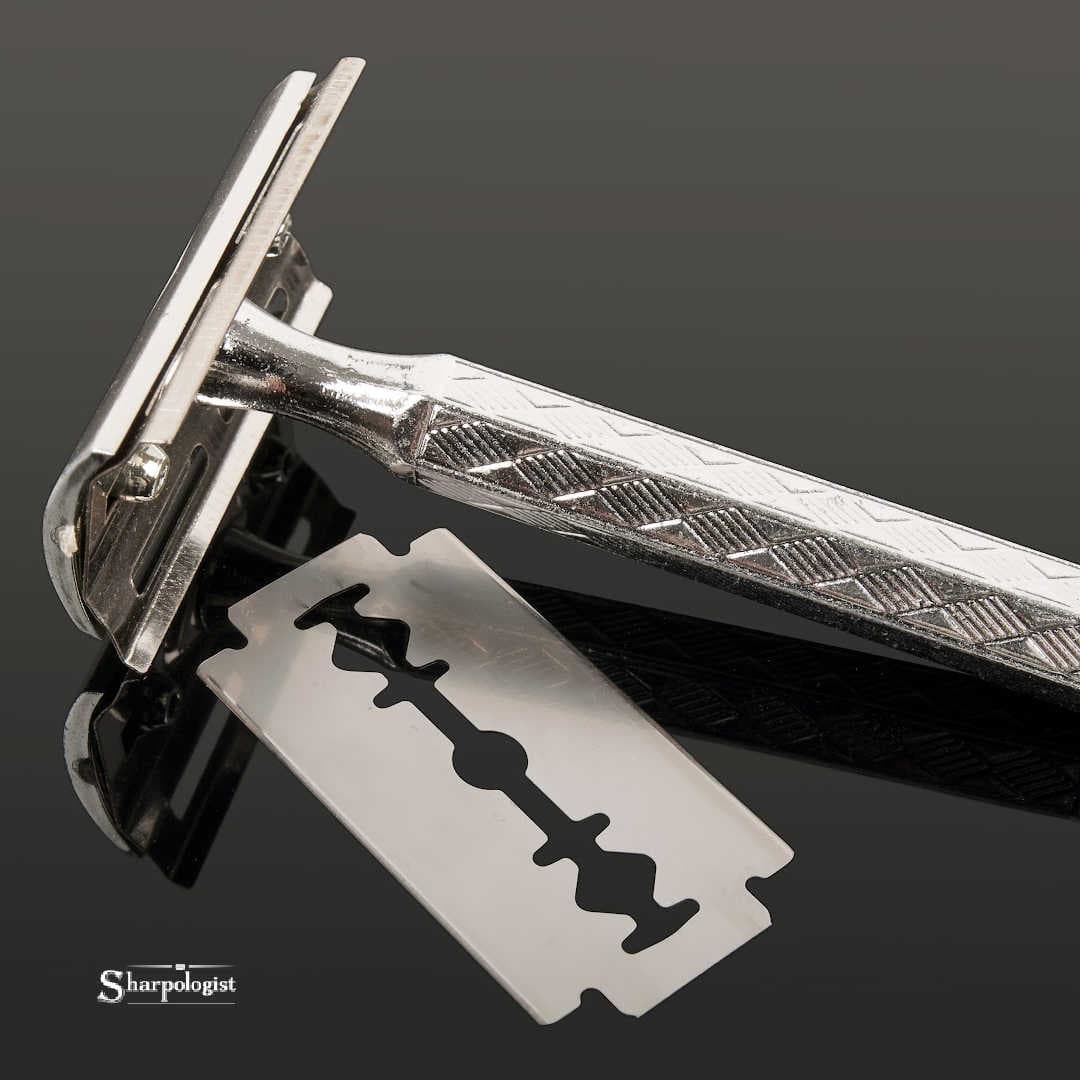
Sharpologist’s refreshed safety razor guide makes a point the wet shaving crowd already learns the hard way: the best razor is not the most aggressive one, or the loudest one, but the one that gives you a predictable shave on your face. The 2026 update treats the DE razor market as a set of tools for different jobs, not a single ladder from cheap to premium. That is the right lens for a category where beard density, skin sensitivity, and shaving habits matter as much as brand reputation.
The new shape of the safety razor market
The big change in this guide is structural. Sharpologist presents its main safety razor page as the central reference and then supports it with separate beginner, adjustable, open-comb, slant, sensitive-skin, and precision-area pages. That tells you where the market has gone: away from one-size-fits-all advice and toward a sharper split between mild, efficient, and highly specific designs.
That split matters because the right razor geometry can save you months of trial and error. A shaver with a lighter beard and reactive skin does not need the same tool as someone mowing down several days of growth, and Sharpologist’s 2026 approach reflects that reality. The guide is built around real-world usability across different shaving scenarios, which is a much saner way to shop than chasing whatever forum favorite is getting the most attention.
Why the Merkur 34C still sets the baseline
The Merkur 34C remains the classic starting point for a reason. Merkur says the 34001, also known as the HD, has earned its reputation over the last 80 years, and Sharpologist notes that it has been popular with wet shavers for more than 80 years. That kind of staying power matters in a hobby where a lot of gear gets hyped for a season and then quietly disappears from the conversation.
What the 34C represents is not novelty, but trust. It is the kind of razor people keep coming back to when they want a comfortable, familiar shave without fiddling with settings or chasing extreme efficiency. In a 2026 guide, that makes it less of a museum piece and more of a benchmark. If a newer razor wants to impress, it has to show that it can beat the 34C on comfort, consistency, or ease of use.
Beginner picks now favor forgiveness and low frustration
Sharpologist’s beginner-friendly picks show how much the category has tilted toward usability. The Supply SE, OneBlade, and Weishi Nostalgic are positioned for newcomers, while the Baili BD179 gives budget-minded buyers an entry point without demanding a big investment. That mix says a lot about modern wet shaving: first-time users are not being pushed toward the most “serious” razor, but toward the one most likely to work quickly.
Supply says most men find their angle within five to ten shaves on the SE, and the company describes it as its most forgiving razor and something built to last decades. OneBlade takes a similar low-friction approach with a patented pivoting head design, and the company says more than 94,000 people have made OneBlade their last razor. Those are different designs, but they serve the same goal: reducing the learning curve before irritation turns a new shaver into a frustrated one.
- If your skin punishes sloppy angle work, forgiveness matters more than raw efficiency.
- If you want a first razor that feels intuitive, look for designs that help you find the angle fast.
- If budget is the issue, the cheap option is only cheap if it still shaves well enough to keep you using it.
Adjustables and base plates are no longer niche toys
Rockwell’s presence in the guide underlines another big trend: adjustability is becoming mainstream, not boutique. Rockwell says the 6S uses a patented adjustable design, and Sharpologist notes that the 6S helped start the trend of optional base plates for DE razors. Sharpologist also points out that Rockwell remains the only brand offering flippable plates, which is a pretty strong sign that this idea has become part of the category’s core vocabulary.
That shift tells buyers something important. A fixed-head razor can be perfect if your beard, blade choice, and technique line up with it. But if you still like to tune comfort against efficiency, an adjustable or plate-based system gives you room to grow without buying a whole new razor every time your preferences change. Rockwell’s support materials say blades typically last 4 to 7 shaves depending on beard density, which is another reminder that adjustability is only part of the equation, because blade life and facial hair still shape the experience.
Geometry still does the heavy lifting
Sharpologist’s guide also keeps the technical differences front and center. Open-comb razors were originally designed for thick, multi-day growth, and they still make sense for that job. Slant razors, meanwhile, cut hair at an angle to reduce resistance, which can be useful when a straight safety-bar razor feels like it is working too hard.
That is the deeper pattern running through the 2026 guide. Henson AL13 and Feather AS-D2 sit in the milder camp for shavers who want less drama, while the RazoRock Lupo Open Comb 95 speaks to coarse-beard users who need more efficiency. The Rockwell 6S and T2 occupy the middle ground for people who want control, while the open-comb and slant categories solve more specialized problems. It is less about which razor is “best” and more about which cutting geometry matches the hair you actually grow.
Technique still beats gear, even in a better-curated market
Sharpologist’s May 2026 argument that technique matters more than tools sits underneath the whole refresh. That is not a dodge, it is the truth of wet shaving. Angle, pressure, and pass structure can rescue a decent razor and ruin an expensive one, which is why the same model can inspire loyalty in one hand and irritation in another.
That also explains why the 2026 guide is so useful as a map instead of a trophy shelf. The new split between beginner, adjustable, open-comb, slant, sensitive-skin, and precision-area pages acknowledges that different shavers need different answers. A newcomer with sensitive skin is looking for a very different first step than a veteran with a coarse beard and a long growth interval.
Sharpologist’s refresh lands in the right place because it treats safety razors like the tools they are. The market is no longer about finding the single winner everyone is supposed to buy. It is about choosing the head geometry, adjustability, and level of forgiveness that fit your beard, your skin, and the shave you can repeat tomorrow morning without thinking about it twice.
This article was produced by Prism’s automated news system from verified source data, official records, and press releases, then run through automated quality and moderation checks before publishing. The system is built and supervised by the people who set the standards it runs under. Read our full AI policy.
Did this article answer your question?