Wet shaving soap lasts longer than most buyers expect
Premium shaving soap can look pricey at checkout and still be the cheapest part of your shave. Loaded right, a puck can outlast the sticker shock by months, sometimes more than a year.
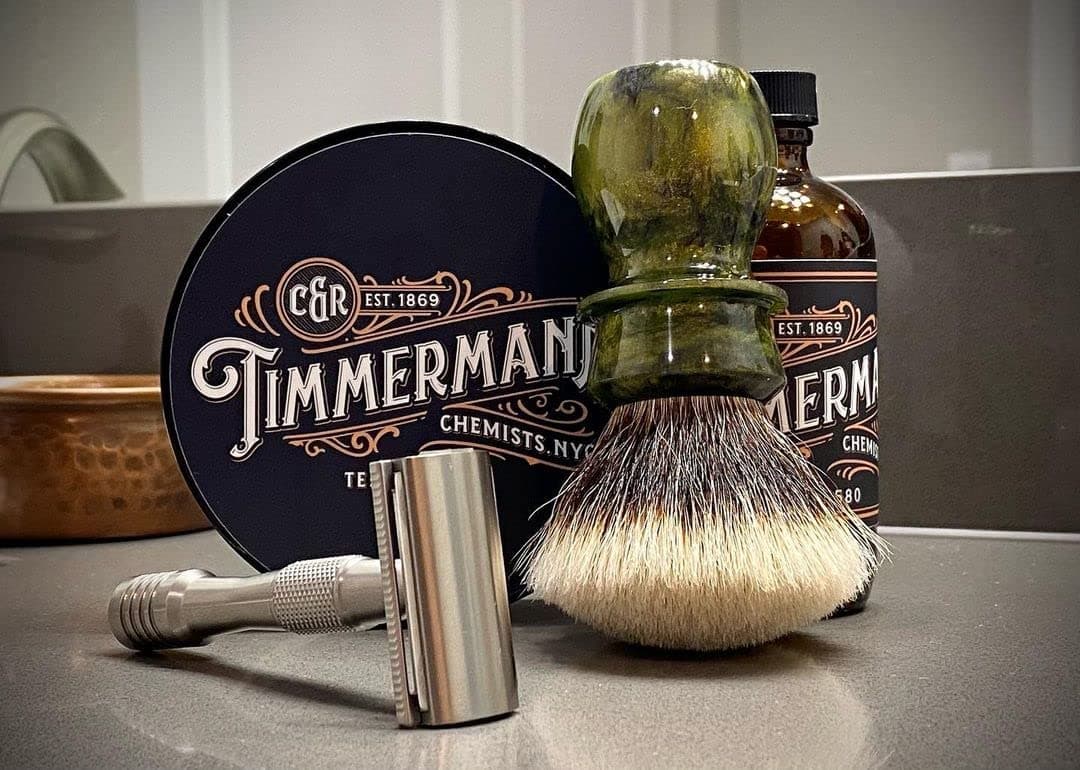
WhollyKaw puts a safety razor plus artisan soap at about $0.24 per shave, versus about $0.67 for a cartridge system at five shaves a week. A lot of wet shavers misread a premium soap the moment they see the price. The better way to look at it is per shave, because a dense puck that seems expensive up front can turn into one of the cheapest consumables in the whole routine. Most users underestimate how far shaving soap goes.
The sticker price is the wrong test
A standard artisan tub usually does not vanish the way a canned foam does. Barrister and Mann pegs most artisan tubs at three to six months of use, while WhollyKaw puts a standard artisan puck closer to four to eight months for daily shaving. If you are buying soap like it is a weekly luxury item, you are probably overestimating how fast you will burn through it. That makes the “expensive soap” complaint backward: a premium puck is built to be used slowly. In practice, the soap often keeps going long after the initial excitement fades.
Why some soaps outlast others
The biggest difference is construction. Triple-milled soap is pressed and re-pressed so excess water and air are removed, leaving a denser puck that resists dissolving faster. Barrister and Mann puts a triple-milled puck at well over a year, and the difference is easy to understand once you look at the texture: less softness, less waste, more soap per swipe.
Softer artisan tubs behave differently because they usually carry more butters, oils, and moisture. That makes them easier to load, but it also means they can disappear faster. If you have ever gone through a soft croap in what felt like no time at all, that is the tradeoff showing up in your bathroom sink.
Caswell-Massey, founded in 1752 in Newport, Rhode Island, treats triple-milling as part of its heritage. Saponificio Varesino, making soap in Brebbia, Italy since 1945, uses the Marseilles method to produce triple-milled shaving soaps and markets that density as a durability feature.
Your brush changes the cost of every shave
Soap longevity is not just about the soap. Brush choice changes how much product you pick up, how much water you carry, and how much lather you waste. Badger brushes are known for strong water retention, especially silvertip styles, which makes them feel luxurious and can speed loading. That same water retention can also encourage overloading if you are not paying attention.
Synthetic brushes are increasingly favored for affordability and performance. They do not hold water the same way, which can help stretch a puck because you are less likely to flood the soap or pull too much product off the surface. If you have ever watched a thirsty badger chew through a puck faster than expected, the brush is part of the reason.

Use enough water to build good lather, but not so much that you are dissolving product just to watch it go down the drain.
Loading habits matter more than most people think
How you load the brush is where most of the waste happens. Heavy loading makes a mountain of lather, but it also burns through soap quickly. Efficient loading, on the other hand, gives you enough product for the pass count you actually need and leaves the puck intact for tomorrow.
That is how “some people get over a hundred shaves” from a puck. A dense soap, a restrained loading routine, and a brush that does not drag too much product can stretch a puck far beyond what the eye suggests at first glance. If you are accustomed to loading until the brush looks overloaded, you are probably spending soap you never needed to spend.
Storage matters too. Keeping the soap dry between uses helps preserve the puck instead of turning the top layer into soft mush. Wet soap looks like progress in the dish; in reality, it is just unused product breaking down faster than it should.
Cost per shave beats sticker shock
On WhollyKaw’s numbers, five years with a safety razor and artisan soap works out to roughly $364, versus about $871 for cartridges.
That is the kind of comparison that exposes why lower sticker price is not the same thing as lower cost. A supermarket can of foam may look cheaper on the shelf, but if it disappears faster and drives you back to the store more often, the per-use cost can creep up. A premium puck spreads its cost over a lot more shaves.
Shaving soaps lost ground in many homes to creams and gels, but the old-school puck never stopped making economic sense for people who pay attention to how long a product lasts.
This article was produced by Prism’s automated news system from verified source data, official records, and press releases, then run through automated quality and moderation checks before publishing. The system is built and supervised by the people who set the standards it runs under. Read our full AI policy.
Did this article answer your question?