Alan Stratton spotlights end-grain bowls with apple wood project
Alan Stratton's apple-wood bowl shows how end-grain turning can turn limb wood into a clean six-inch form with real shop value.
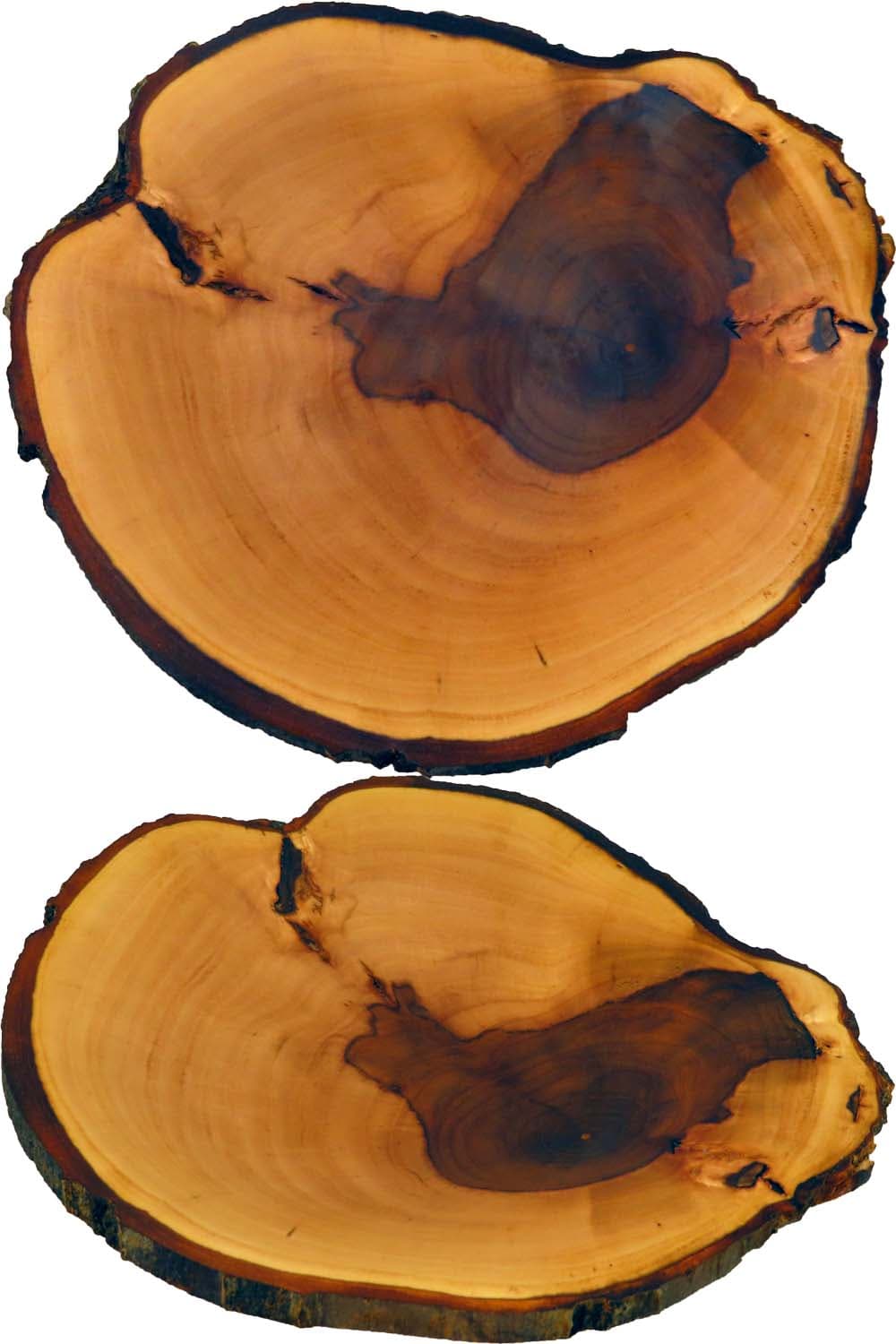
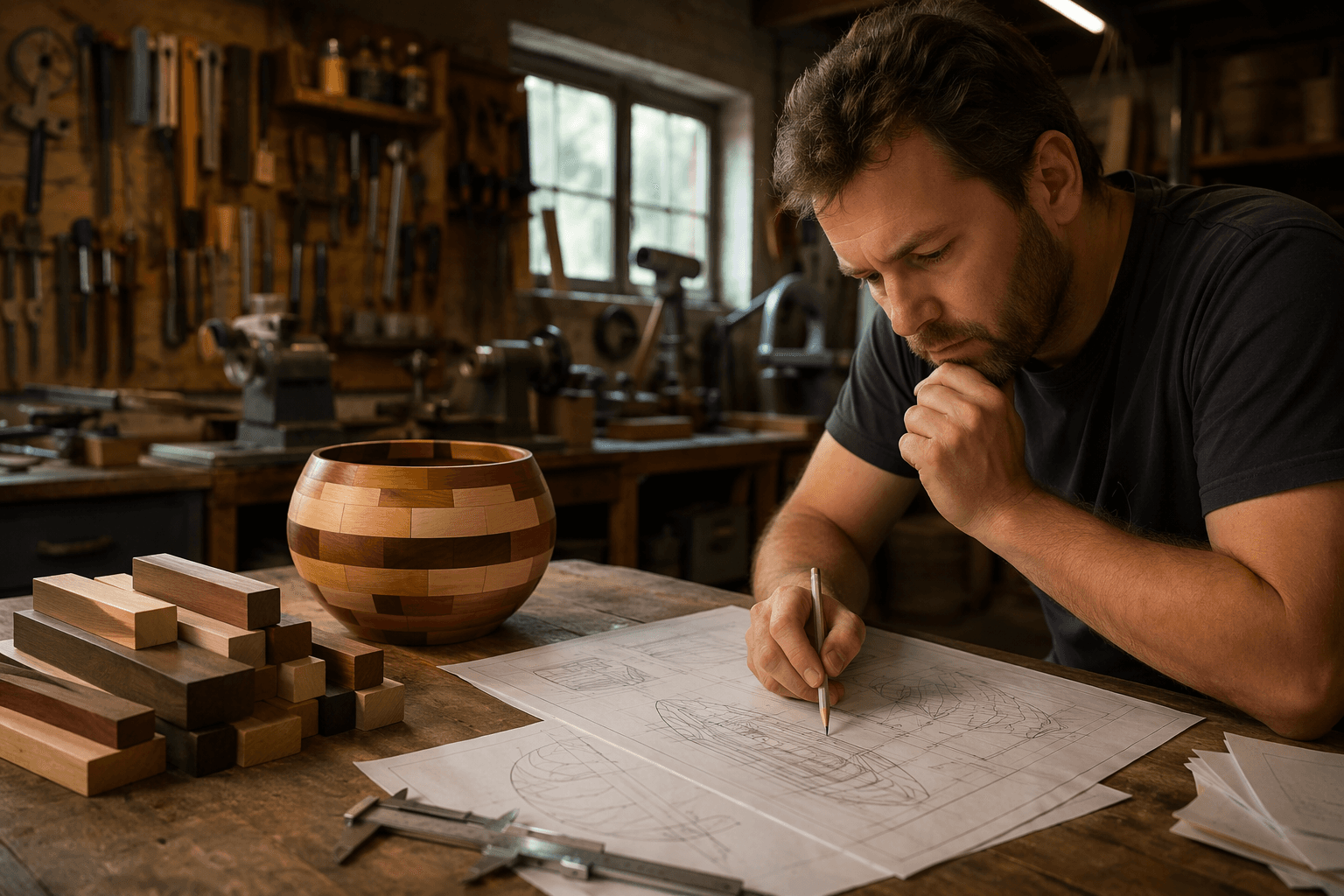
In his June 12, 2026 project, “Woodturning End Grain Bowl or Dish From Limb Wood,” Alan Stratton uses a modest apple-wood bowl to make a bigger point: end-grain turning is not a fallback, it is a design choice with its own visual payoff. He places that message right at the lathe, where turned bowls are the bread and butter of the craft but deep cross-grain forms usually get the spotlight.
Why end grain deserves more bench time
Stratton sets up the contrast clearly. Cross-grain bowls tend to draw more attention because their grain sweep can be dramatic, but vertical grain still has room for beauty. In the finished form, the fibers stand upright instead of running horizontally, so the bowl reads differently even before any finish goes on.
Most traditional bowl turning is still side-grain work, and end-grain bowls remain less common. The shift is structural and visual, not just a different blank orientation. A bowl cut from end grain can be every bit as useful as a side-grain piece, but it asks for a different eye at the shaping stage and a different expectation about what the surface will reveal.
What Stratton’s apple-wood bowl shows
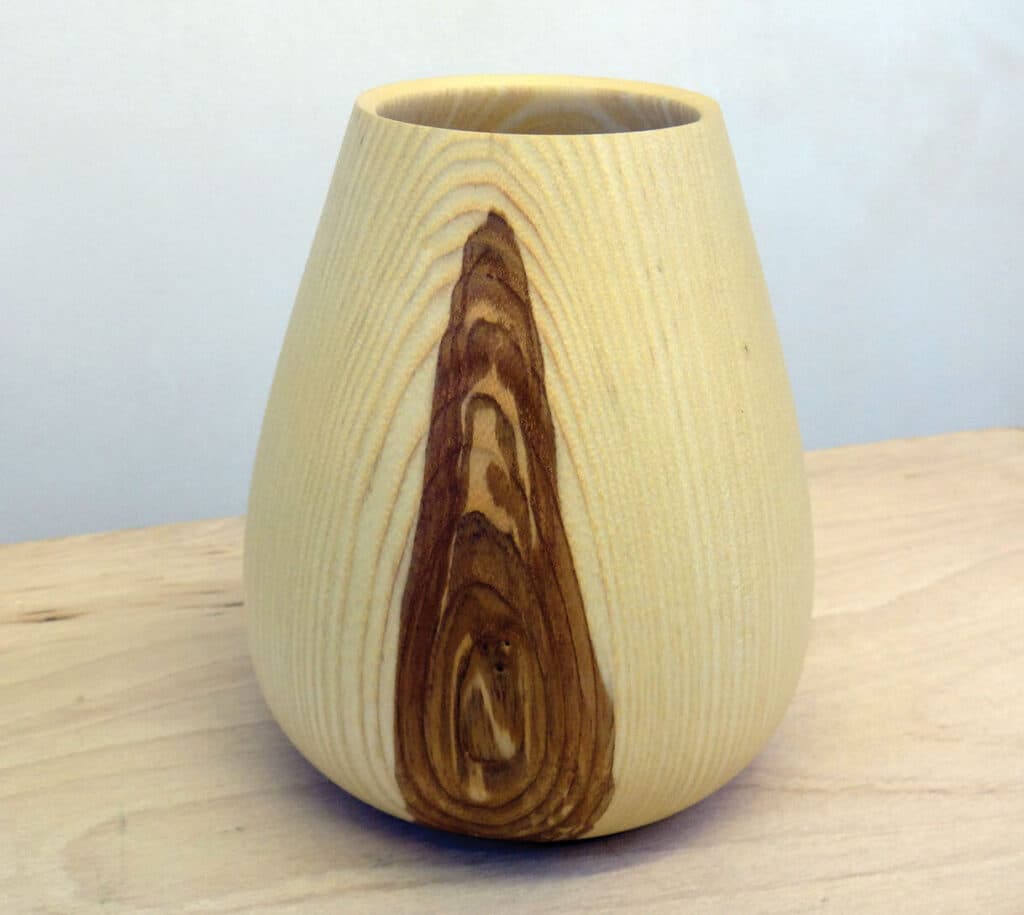
The project uses apple wood and finishes with walnut oil, a combination that keeps the presentation straightforward and shop-friendly. Stratton says the bowl is about six inches in diameter, which keeps it in the range of an approachable home-shop piece rather than a showpiece that depends on size to make an impression.
A six-inch bowl is large enough to show the grain orientation clearly, but small enough to keep the turning honest, with no room to hide rough toolwork or indifferent surface prep. The project demonstrates an end-grain form and reinforces the discipline needed to bring a modest blank to a clean finish.
The limb wood angle is equally practical. Limbs are often the overlooked stock in a turning pile, yet they can produce attractive, compact blanks when the grain is oriented well. Stratton’s project shows how that underused material can become a finished bowl without needing dramatic figure or exotic wood to carry the look.
What changes at the lathe
End-grain turning feels different because the grain direction runs through the wall of the bowl. That changes the way the tool meets the fibers, and it changes how the piece behaves as it dries. End-grain bowls can require more care to avoid cracking during drying, which is one reason many turners default to side-grain work.
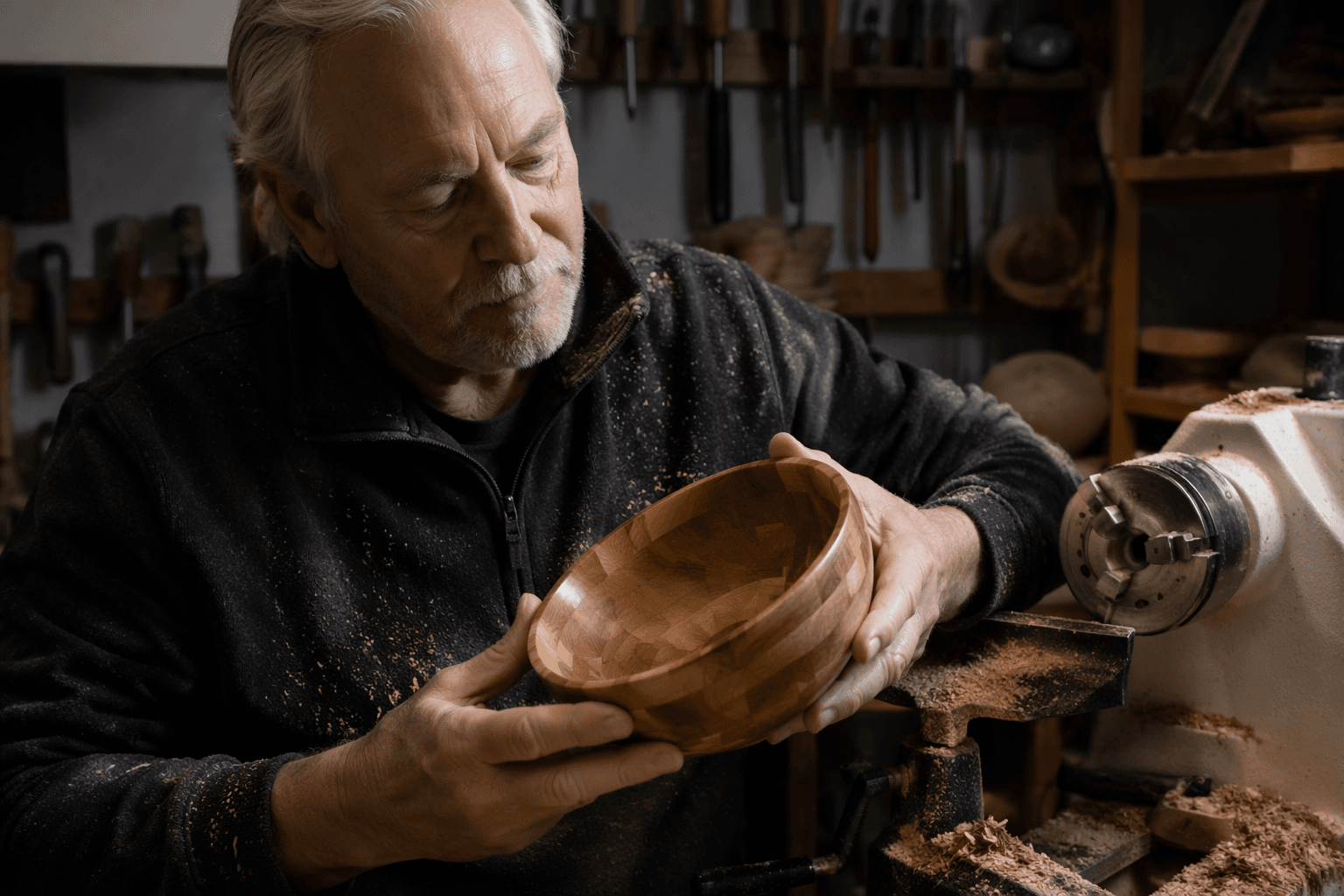
The process rewards careful stock choice, thoughtful shaping, and realistic expectations about the final wall thickness and drying behavior. A smaller bowl like Stratton’s six-inch apple-wood piece is a useful place to learn those lessons because the form is manageable while still revealing how end grain responds under the tool.
The project also fits a familiar teaching pattern in bowl work: start with a simple blank, turn it cleanly, and let the grain do the talking. In end-grain work, that approach is especially effective because there is no need to force the wood into a dramatic profile.
Why the video format matters
The project appears on As Wood Turns as a video demonstration, and if technical difficulties get in the way, the video is also posted on YouTube. End-grain turning is easier to absorb when the grain direction and tool movement can be watched in real time.
For turners who learn by seeing rather than reading, the format is useful. A written description can tell you that the grain is vertical, but a demonstration shows how that orientation affects the cut and the finish. Stratton keeps the instruction accessible by pairing the project with a format that can be watched even if one version of the player gives trouble.
Where this sits in the wider turning world
The American Association of Woodturners calls itself the go-to source for turners of all skill levels and says it has more than 360 chapters worldwide. It also says it has the largest portfolio of woodturning-related material in the world.
The lesson is not limited to one technique or one kind of wood. A clean apple-wood bowl in walnut oil can speak to new turners learning grain direction and to experienced side-grain bowl turners who may have written off end grain as too fussy. Stratton’s project shows that limb wood, turned vertically, can still produce a bowl.
This article was produced by Prism’s automated news system from verified source data, official records, and press releases, then run through automated quality and moderation checks before publishing. The system is built and supervised by the people who set the standards it runs under. Read our full AI policy.
Did this article answer your question?