Atlantic Shore Woodturners sharpens skills at hands-on June meeting
Atlantic Shore Woodturners is turning its June meeting into a sharpening clinic that promises cleaner cuts, safer turning, and less guesswork at the lathe.
Better edges, better turning
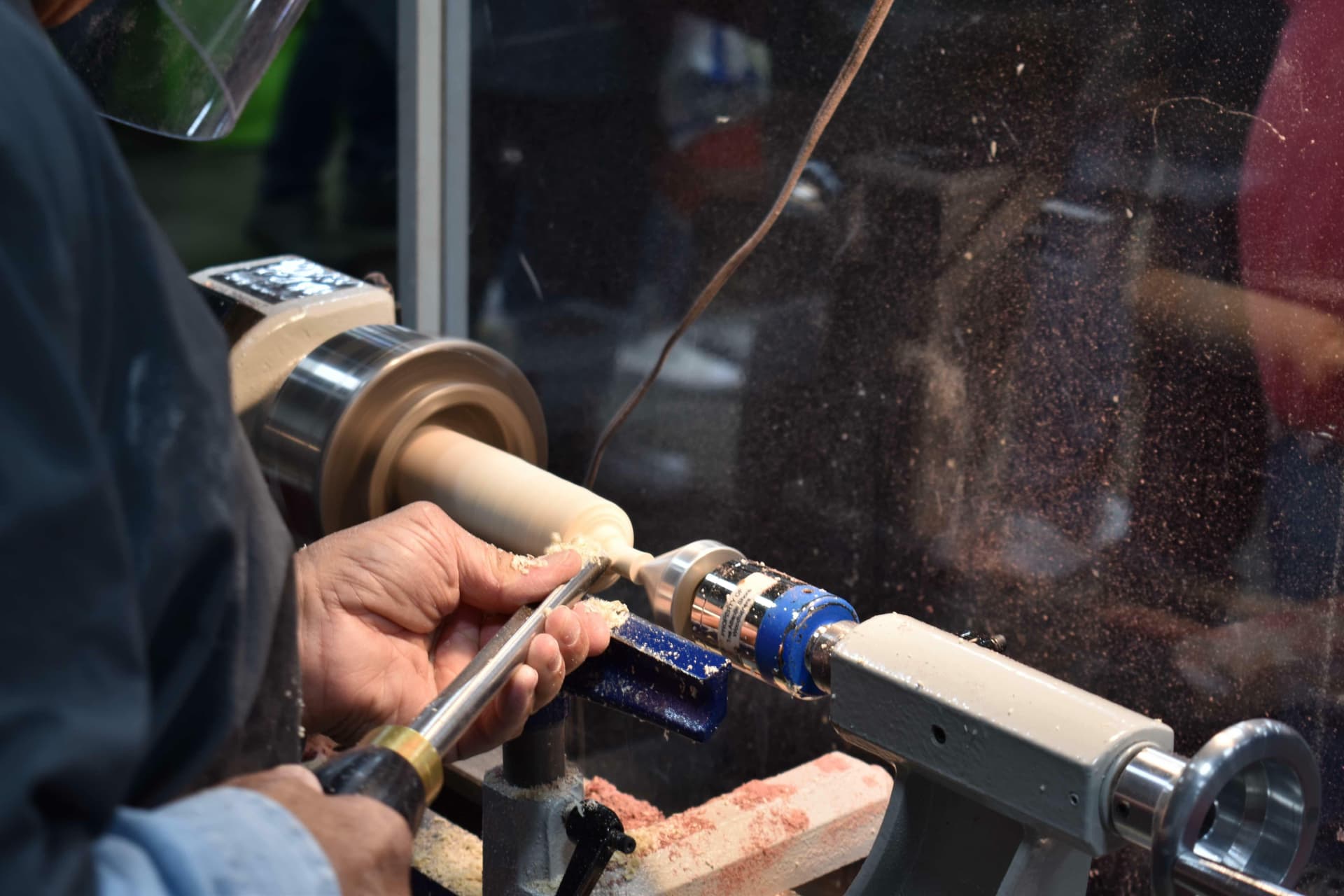
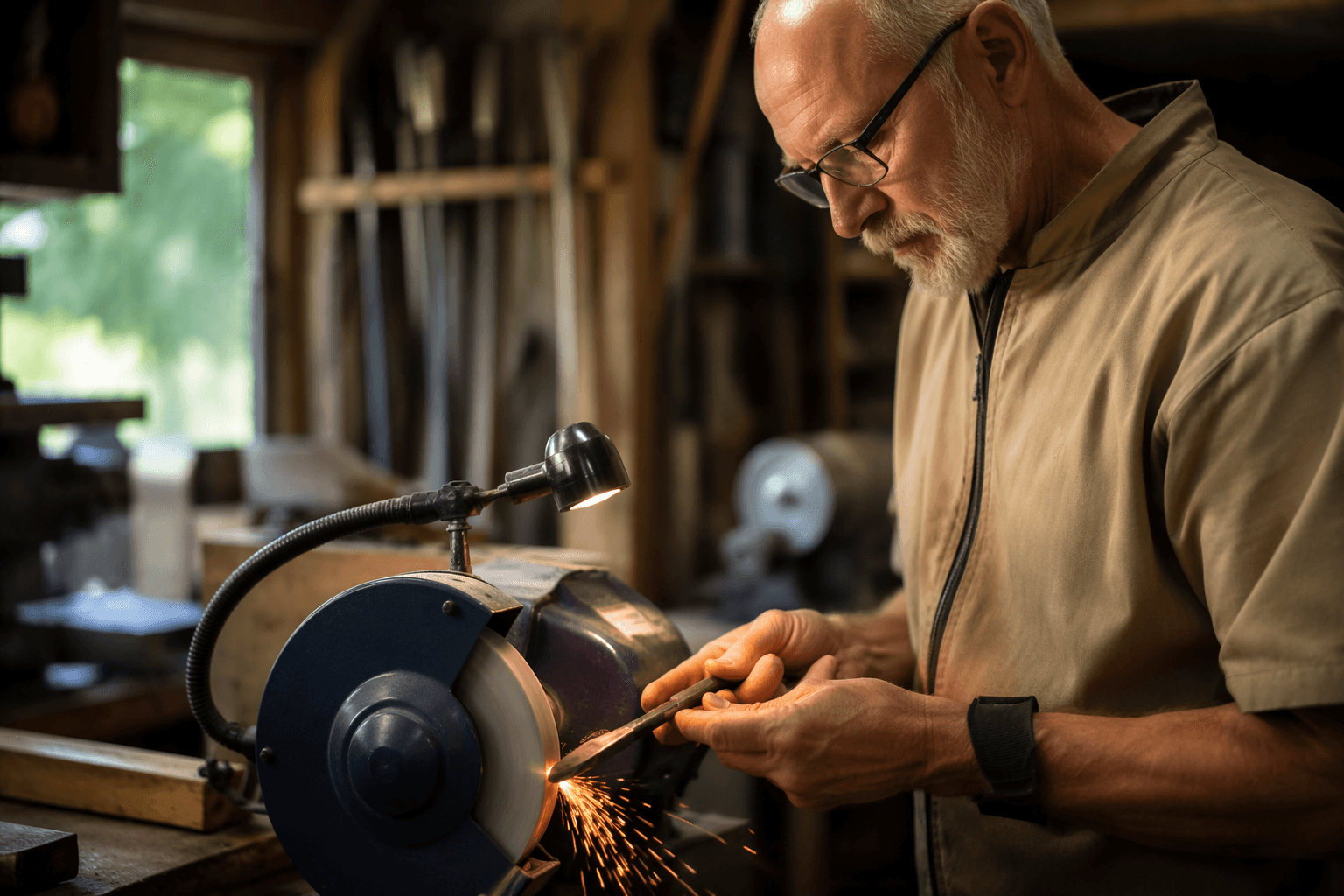
A sharp edge changes everything at the lathe. It means cleaner cuts, less tearout, fewer catches, and a turning session that feels controlled instead of fought through, which is exactly why Atlantic Shore Woodturners picked sharpening for its June meeting. The club is making one of the most practical shop skills the centerpiece of a hands-on night built around real tools, real setups, and immediate payoff.
The meeting is scheduled for Tuesday, June 9, 2026, from 7:00 PM to 9:00 PM. Members are being asked to bring a tool, because the session is designed to be hands-on rather than theoretical, with stations set up to demonstrate and teach sharpening techniques. If weather allows, the meeting will be held outdoors, adding a little flexibility to a night that is meant to stay active and practical.
Why sharpening belongs at the center of the meeting
Sharpening is one of those skills that never stops mattering, no matter how many years a turner has spent at the bench. The American Association of Woodturners describes it as an essential skill every turner must master, and that is not just a teaching slogan. In real shop time, the difference between a dull tool and a keen edge shows up immediately in the quality of the cut and the amount of effort needed to get there.
That is why a sharpening night works so well as a club program. Beginners can learn how to get a usable edge on common tools without wasting time or expensive steel, while experienced turners can compare jigs, methods, and edge geometry against what they already use. The value is practical from the first pass to the last, and it carries over to every bowl gouge, scraper, and skew that gets sharpened afterward.
AAW’s sharpening resources lean into the same idea, covering dry grinders, wet grinders, belt systems, grinding angles, honing, and the habit of sharpening early and sharpening often. That mix matters because no single sharpening setup fits every turner or every tool. A night like this gives members a chance to see differences in action, ask questions, and leave with a sharper idea of what works at their own lathe.
What to bring, what to expect, and what you should leave with
The club’s clearest instruction is simple: bring a tool. That detail tells you exactly what kind of meeting this is. It is not a lecture where sharpening stays abstract, but a working session where members can compare their own tools against the techniques being shown and leave with a sharpened edge or, at minimum, a clearer path to one.
Expect to see multiple sharpening stations in use, which is especially helpful in a club setting because it lets members move between systems and watch different approaches side by side. That matters for people who have been following one method for years as much as it does for first-timers still figuring out how their tools behave. The point is not just to watch someone sharpen, but to understand what changes when the bevel, angle, and hone all line up correctly.
- cleaner cuts that require less force
- less frustration when a tool starts to drag or tear
- better surface quality straight off the lathe
- more confidence in sharpening between turning sessions
- safer work because a tool that cuts cleanly is easier to control
By the end of the night, the practical gains should be obvious:
That safety piece is not an afterthought. AAW safety guidance recommends using a full face shield whenever the lathe is turned on, and also warns against gloves and loose clothing while keeping long hair tied back. A sharpening clinic that connects edge quality to safer turning gives members more than a tool lesson, it reinforces the habits that protect the turner while improving the work.
The club behind the clinic
Atlantic Shore Woodturners is not a casual drop-in group with a narrow focus. Its own description calls it a fun group of people interested in developing skills in the art of woodturning, and it welcomes turners of every skill level, from first-timers to seasoned members. It also meets on the second Tuesday of every month at Howell Community Church, which makes the June sharpening meeting part of a regular rhythm rather than a one-off event.
The club’s identity as an American Association of Woodturners chapter serving central New Jersey explains why its programming blends local accessibility with the broader standards of the woodturning community. That connection also helps explain the range of members it draws. A related AAW piece says the group began in 1997 with just 16 members, first met in members’ homes, and later moved to Holy Family School in 2000. Another AAW profile notes that members range from as young as 13 to many retirees, a spread that gives the club a multigenerational character you can actually feel in a hands-on session.
That history matters because it shows how a club like this builds practical value over time. A sharpening meeting is not just filling a calendar slot. It fits a long-running pattern of monthly meetings, hands-on classes, and occasional interactive remote demonstrations that keep the learning loop active. The club’s July schedule also points back to that regular base, with in-person meetings set to resume on the second Tuesday of each month at Howell Community Church in Howell, New Jersey.
Why this kind of meeting changes the next turning session
A sharpening night pays off fast because the results show up the next time a tool touches wood. Better edge preparation improves cuts, reduces the need to fight the tool, and helps members spend more time shaping and less time correcting. It also saves money, since a sharper tool often means fewer mistakes, less wasted stock, and more confidence before the next project begins.
That is what makes this June meeting especially useful. It sits right at the intersection of club community and shop discipline, where one focused evening can make every future turning feel more manageable. For Atlantic Shore Woodturners, sharpening is not just the topic of the month. It is the kind of skill that keeps the whole lathe room running smoother, from the first cut after the meeting to the next project that starts cleanly because the edge is already ready.
This article was produced by Prism’s automated news system from verified source data, official records, and press releases, then run through automated quality and moderation checks before publishing. The system is built and supervised by the people who set the standards it runs under. Read our full AI policy.
Did this article answer your question?