Brushless benchtop lathes bring cast-iron stability to small shops
Cast iron and brushless DC are turning benchtop lathes into real small-shop machines, with quieter starts, steadier roughing, and prices that start under £500.
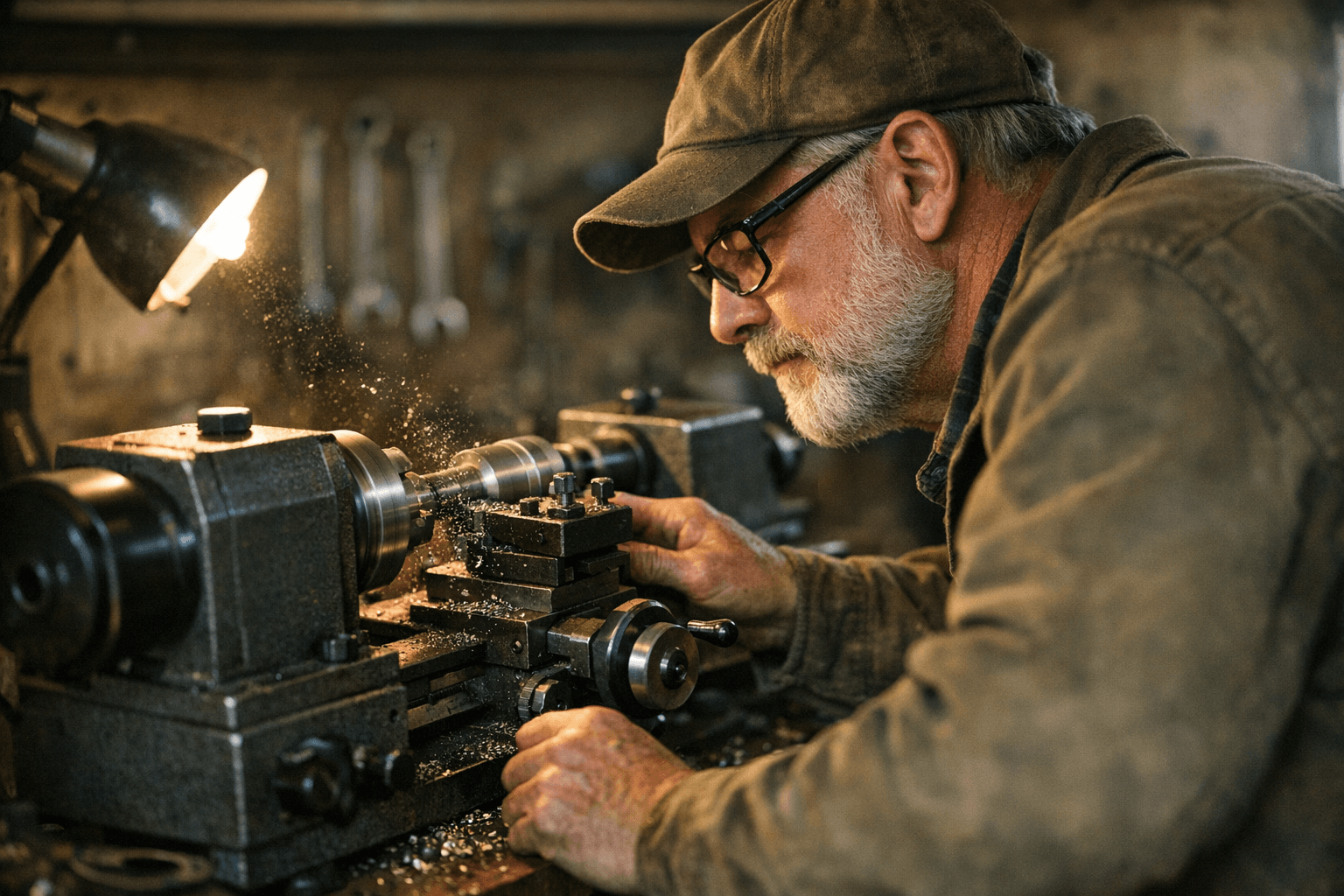
A cast-iron bed and a brushless motor are no longer the kind of extras that only appear on full-size floor lathes. In the benchtop world, they are becoming the features that decide whether a machine feels like a starter tool or a serious part of the shop.
Why brushless compact lathes are getting attention
The appeal starts with daily life, not spec sheets. In a garage, basement, or shared studio, a compact lathe has to do more than spin wood. It has to start smoothly, handle an out-of-balance bowl blank without shaking the bench apart, and keep the noise down enough that turning does not dominate the room.
That is where brushless DC motors are changing the conversation. Current benchtop listings lean hard on smoother startup, more torque at lower speeds, and less of the hum and maintenance that older belt-driven machines can bring. For a turner roughing bowls, trimming a wet blank, or moving from spindle work to a larger form, that matters in a very practical way: the lathe feels more composed when the wood is not.
Cast iron is doing more than adding weight
A benchtop machine lives or dies by vibration control. Cast iron gives these lathes the mass and rigidity that help them stay planted during roughing cuts, then settle down for cleaner finishing passes. That is why the current product language keeps circling back to low-noise operation, reduced maintenance, and vibration reduction instead of treating those benefits like bonus features.
VEVOR’s benchtop woodworking lathe makes that pitch plainly. Its brushless DC motor is presented as needing no carbon brush replacement, and its cast-iron body is described as minimizing vibration. The same listing shows a 0 to 3,800 RPM variable-speed range, which is exactly the kind of spread that gives a compact lathe real range for small boxes, finials, tool handles, pens, and the occasional bowl blank that is a little less polite than the machine hoped.
The models that show the shift
The NOVA Comet II DR Midi Lathe from Teknatool is one of the clearest signs that the market is rethinking what a compact machine can be. It is marketed as portable and space-saving, but Teknatool also says it delivers the capacity and rugged stability of larger lathes. The machine adds digital speed control, a digital display with dial-in speed control, forward/reverse, and a 250 to 4,000 RPM range, with a listed price of $599.99.
Record Power’s Pathfinder benchtop lathe pushes the same idea from a different angle. Recent coverage describes it as pairing a 3/4 HP brushless motor with a precision-machined cast-iron bed, starting at £499.99. That combination is telling because it moves brushless drive and cast-iron stability out of the premium-only column and into a price band that serious hobbyists can actually weigh against their current setup.
VEVOR shows how broad the category has become. A Target listing for its benchtop wood lathe puts a 1 HP brushless DC motor, 0 to 3,800 RPM variable speed, and a 12 x 18 in workbench listing in front of buyers at $408.99. That spread, from roughly $408.99 to $599.99 and from £499.99 on the Record Power side, suggests this is not a single luxury outlier. It is a pattern.
How to judge whether the upgrade is real
The easiest way to tell whether brushless benchtop lathes are a genuine shift or just clever advertising is to ask how the machine behaves when the wood is less than ideal. A lathe that can stay calm during roughing, keep vibration under control, and hold speed without fuss is doing real work. A machine that only looks good on a product page is not.
Look for these signs when comparing compact lathes:
- Torque delivery at low speed, especially for roughing bowls and heavier blanks
- A cast-iron bed or body that helps the machine stay planted
- Brushless drive with no carbon brush replacement needed
- Variable speed control wide enough to cover both roughing and detail work
- Low-noise operation for garages, basements, and shared spaces
- Easy access to features like digital readout and forward/reverse
That list is where the comparison with older mini-lathes becomes useful. Older belt-driven machines can still turn good work, but they often ask for more compromise: more noise, more tinkering, and less confidence when the blank is uneven or the cut gets ambitious. Brushless compact lathes are winning attention because they reduce those little frictions one by one.
What this means for a small shop
The bigger story is not that compact lathes got fancier. It is that the category is being treated less like a starter bench toy and more like a primary machine for hobbyists. That is a notable change in market positioning, because it reflects how people actually turn: many need one machine that can handle bowls and spindles well, live on a bench, and not take over the room.
The fact that these machines are showing up in manufacturer listings and mainstream retail channels makes the shift easier to see. When a brushless benchtop lathe can offer cast-iron stability, a wide speed range, and quieter operation at prices that do not require a floor-standing commitment, the decision stops being about whether compact lathes are “good enough.” It becomes about which one fits the work already happening in the shop.
For turners who are tired of hearing the bench rattle before the gouge even touches wood, that is a meaningful change. Brushless benchtop lathes are not just shrinking the footprint of woodturning gear. They are making small-shop machines feel like serious tools.
This article was produced by Prism’s automated news system from verified source data, official records, and press releases, then run through automated quality and moderation checks before publishing. The system is built and supervised by the people who set the standards it runs under. Read our full AI policy.
Did this article answer your question?