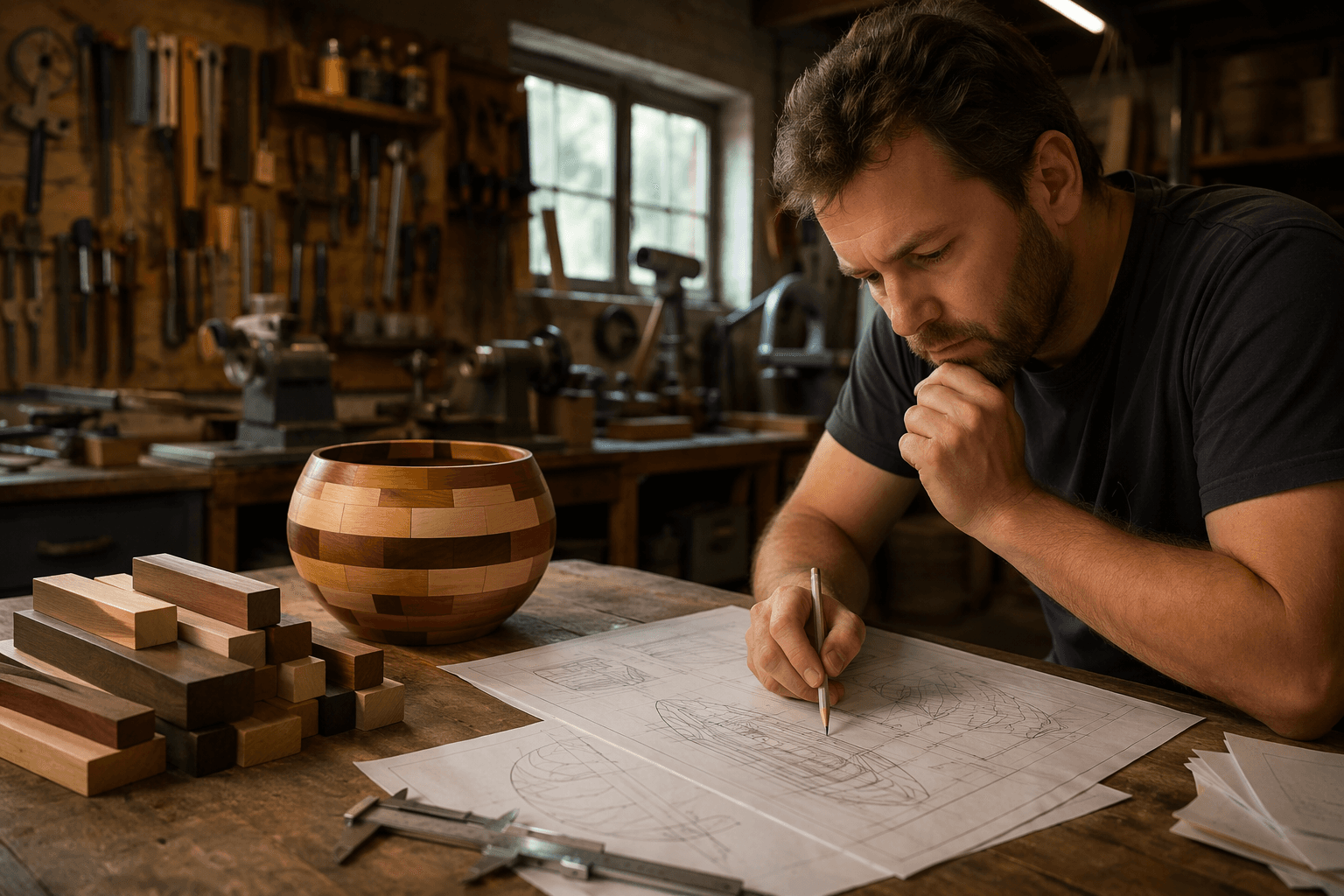
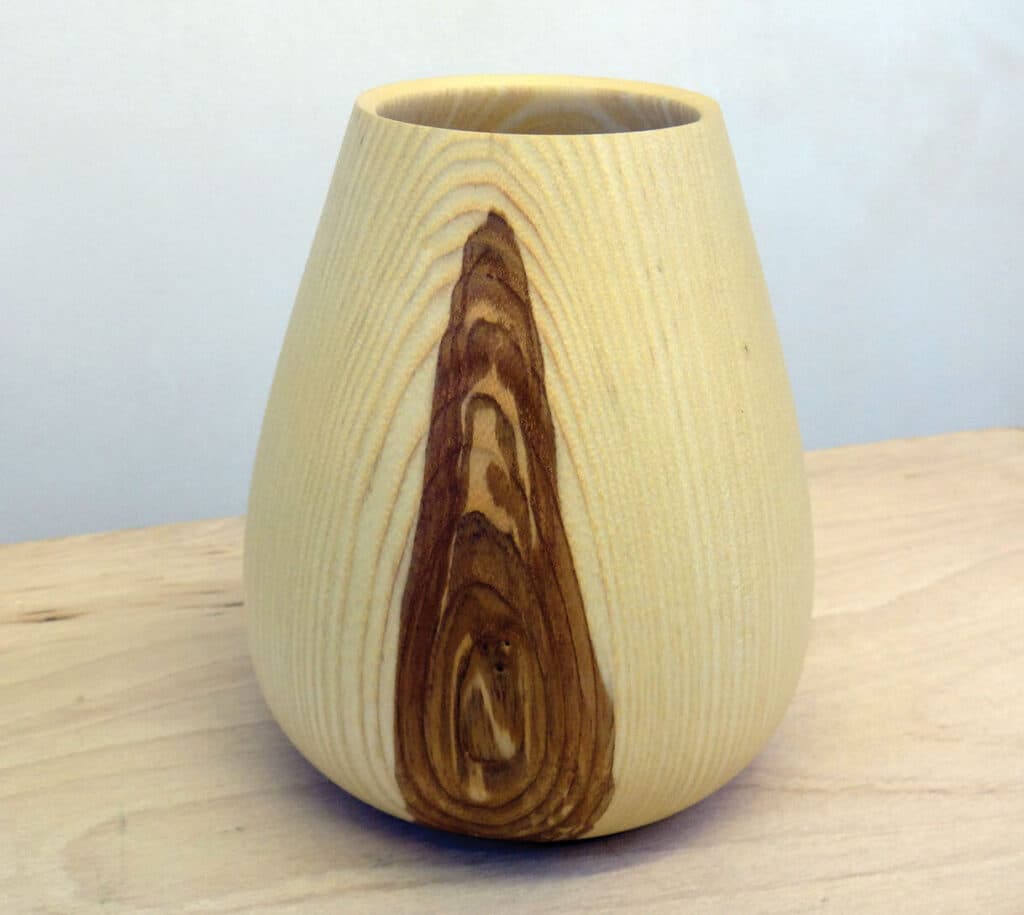
Wet Bowl Turning, Why Bowl Gouge Grind Shapes Control and Finish
A clean bowl curve starts with the grind, not the sandpaper. In wet wood, the right bowl gouge keeps the cut calm, while the wrong one tears fibers and leaves ridges fast.
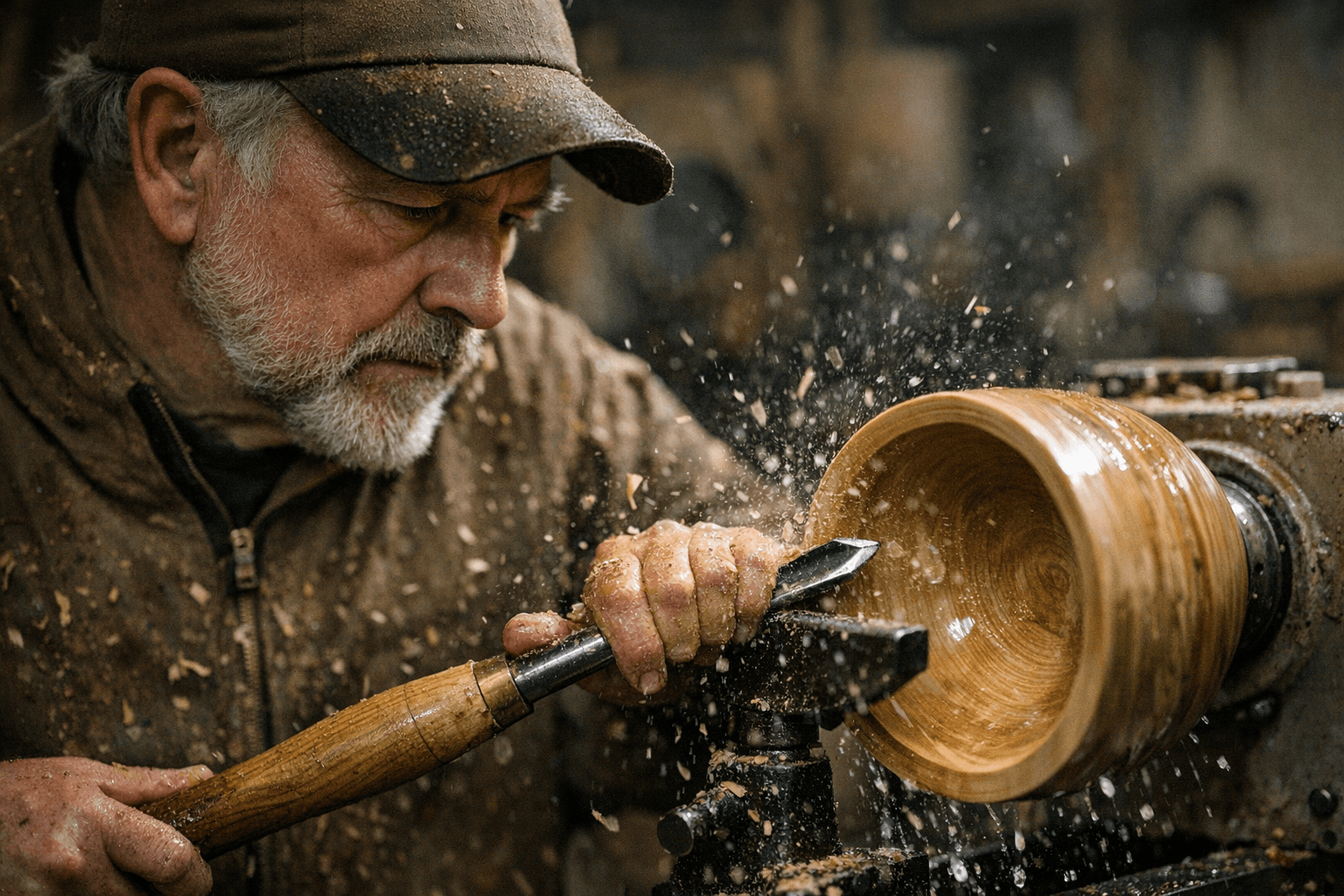
Wet bowl turning rewards the turner who can read the cut
The difference between a clean bowl and a torn-up one usually shows up long before sanding. On a good day, the gouge glides from rim to center and leaves a surface that still shows the character of the wood; on a bad day, the cut chatter, torn fibers, and ragged transitions make the bowl look fussy before it ever comes off the chuck. That gap is why bowl gouge grind geometry gets argued over so often: it changes how the tool enters the wood, how much bevel support you feel, and how confidently you can move across a curved surface.
The real point is control. Recent instructional material from Craft Supplies USA and tool makers such as Carter and Son Toolworks keeps coming back to the same idea: the grind is not a minor setup detail, it is a major factor in performance, safety, and surface finish. On bowl work, that matters most where the grain changes direction and the shape tightens up, because that is where a gouge either follows the curve cleanly or starts to skate, grab, or tear.
Why the grind matters at the rim, transition, and bottom
At the rim, you want a gouge that enters cleanly and lets you establish the cut without fighting the edge. Swept-back or Irish/Ellsworth-style grinds are often described as the most versatile because they give you room to work the bevel and ride the curve in a controlled way. A swept-back winged gouge with an angle around 55 degrees is a common all-purpose choice for exactly that reason: it gives you a practical mix of reach, support, and freedom across the bowl profile.
At the transition, the grind choice becomes more obvious. This is where a bowl often starts to show ridges if the bevel does not stay matched to the curve, and one instructional source makes the point clearly by noting that grinding back the heel or adding a second bevel can reduce those ridges as the gouge follows the curve more closely. That kind of detail is why experienced turners keep talking about wing shape and bevel angle, not just sharpening in general. Forest of Bere Woodturners puts it plainly: matching the profile to the task makes turning safer and smoother, and the bevel angle is one of the biggest factors.
At the bottom, many turners still like a more traditional straight-across grind for specific jobs. Carter and Son Toolworks describes that style as the simplest to sharpen and especially useful for finishing and difficult end grain, which makes sense when you are trying to clean up the last part of the curve without overcomplicating the cut. A standard ground 45-degree bowl gouge also has a place here, especially when delicate fibers want to tear out and you need a more restrained attack angle.
Wet wood helps, until it starts moving on you
Wet-bowl turning is attractive because it is efficient. A common workflow is to rough bowls green, leave the walls thick enough to dry without splitting, and then return later for final shaping and finish work. Some turners push farther and take the bowl close to final thickness while it is still wet, accepting movement because the result can be a more organic form that settles after drying.
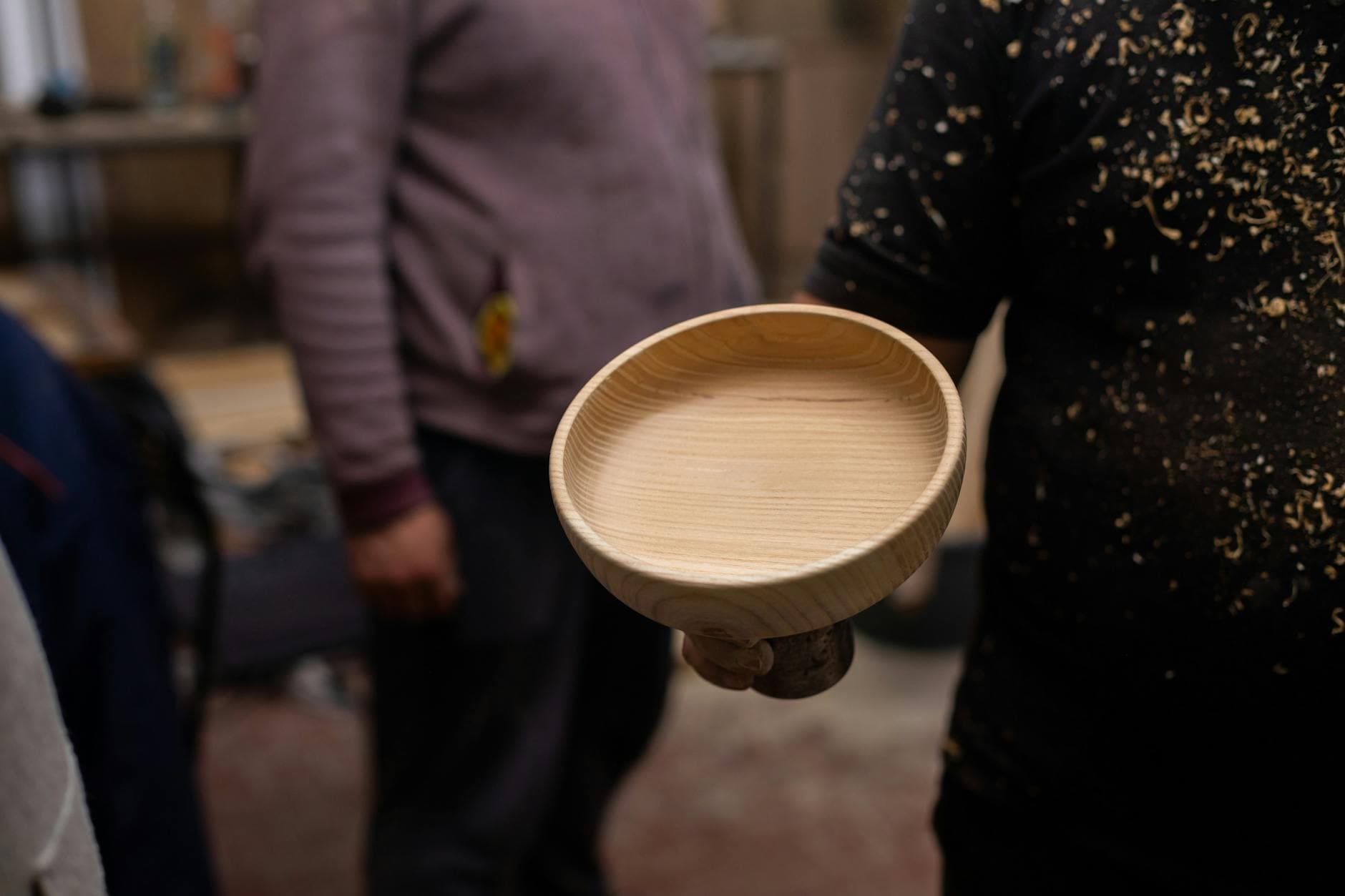
That same moisture can also make the cut less forgiving. As the wood dries, fibers can behave unpredictably, and the blank may shift enough that a tool with the wrong grind suddenly feels skittish. That is why wet-bowl work puts so much value on a sharp edge and a grind that keeps the flute opening and closing predictably. When the tool is matched well, you get smoother sweeps, fewer catches, and less sanding later. When it is not, the surface tells on you immediately.
SPS Woodturners takes the same view in its wet-to-dry workflow: start with green wood, use sharp tools, and rough bowls in stages before drying and final finishing. Its material also points turners toward a 5/8-inch bowl gouge for rounding up a log, and that size keeps showing up because it gives enough mass and leverage to rough efficiently without feeling clumsy. The club also stresses that bowl-turning practice begins in the forest, often with storm-fallen or figured maple, which is a good reminder that the quality of the starting blank matters just as much as the final grind.
The grinds turners actually argue about
The two patterns that come up most are the swept-back grind and the traditional straight-across grind. The swept-back profile gets the reputation for versatility because it works across more of the bowl, especially when you need control through a long curve and want one gouge to cover roughing, shaping, and a lot of the finishing work. The straight-across grind is narrower in purpose, but it still earns its keep where the grain is difficult and the end grain is trying to fight back.
That is where the practical decision comes in. If you want a general-purpose bowl gouge that can do most of the job, the swept-back style is hard to beat. If your main frustration is torn grain or a stubborn finishing cut at the bottom, a more traditional grind can feel calmer and more predictable. If you are dealing with delicate fibers that tear at the first sign of aggression, a standard 45-degree setup may be the better answer, while a steeper or more specialized grind can help when the work gets rougher or the grain gets trickier.
A sharper framework for the next bowl
The most useful way to think about bowl gouge grind is not as a brand preference or a sharpening fad. It is a control problem. The grind determines how the bevel supports the cut, how the edge behaves when you sweep from rim to center, and how much of the bowl can be cleaned up before sanding starts to do the heavy lifting.
That is why so many demonstrations, club talks, and articles from names such as Dan Stromstad, Craft Supplies USA, Carter and Son Toolworks, Forest of Bere Woodturners, SPS Woodturners, and Popular Woodworking keep circling back to the same lesson. One tool, ground the right way, can rough green wood, follow the transition without leaving ridges, and finish a bowl with a surface that still looks alive. Once you see that difference, the choice between wet timing and grind shape stops being abstract, and starts looking like the shortest path to a better bowl.
This article was produced by Prism’s automated news system from verified source data, official records, and press releases, then run through automated quality and moderation checks before publishing. The system is built and supervised by the people who set the standards it runs under. Read our full AI policy.
Did this article answer your question?