Chippewa Valley Wooturners Newsletter Highlights Spring Activity, Demos, and Training
Twenty-seven turners showed up, 57 dues were already paid, and the next bandsaw course gives Chippewa Valley a very practical spring arc.
Spring momentum starts with the numbers
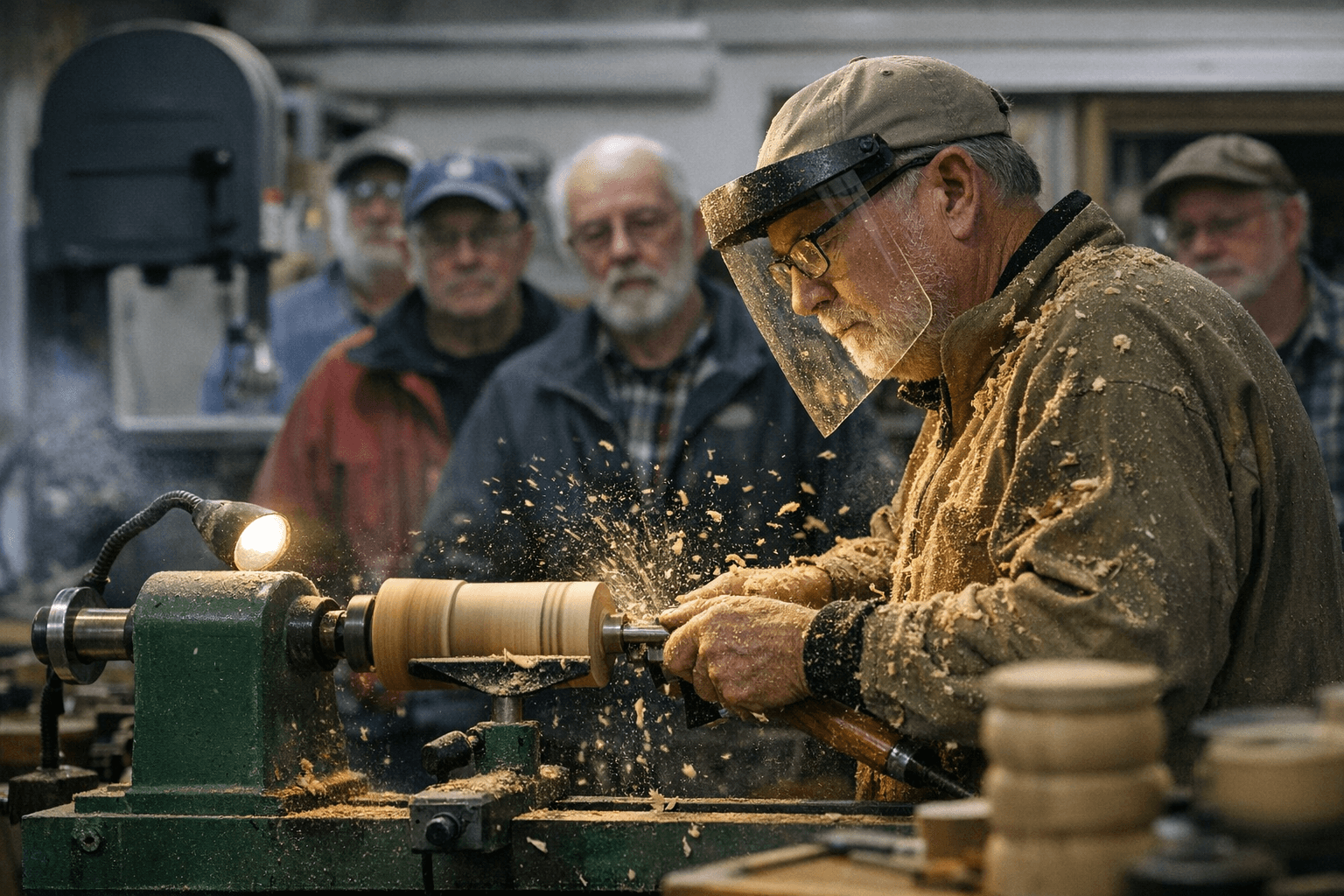
Twenty-seven turners showed up for the April meeting, and 57 members had already paid 2026 dues. That is the kind of member base that keeps a club useful instead of merely social, because it means people are still showing up, still renewing, and still building the kind of steady shop culture that makes demonstrations worth attending.
The April newsletter, posted by David Kulberg, makes that momentum easy to see. The guild’s open house drew 11 people, and the calendar already had an advanced course set for April 18 on the bandsaw and how to use it in woodturning. Those three details, attendance, dues, and training, tell you more about the health of a turning club than a polished announcement ever could.
Why the bandsaw course matters at the bench
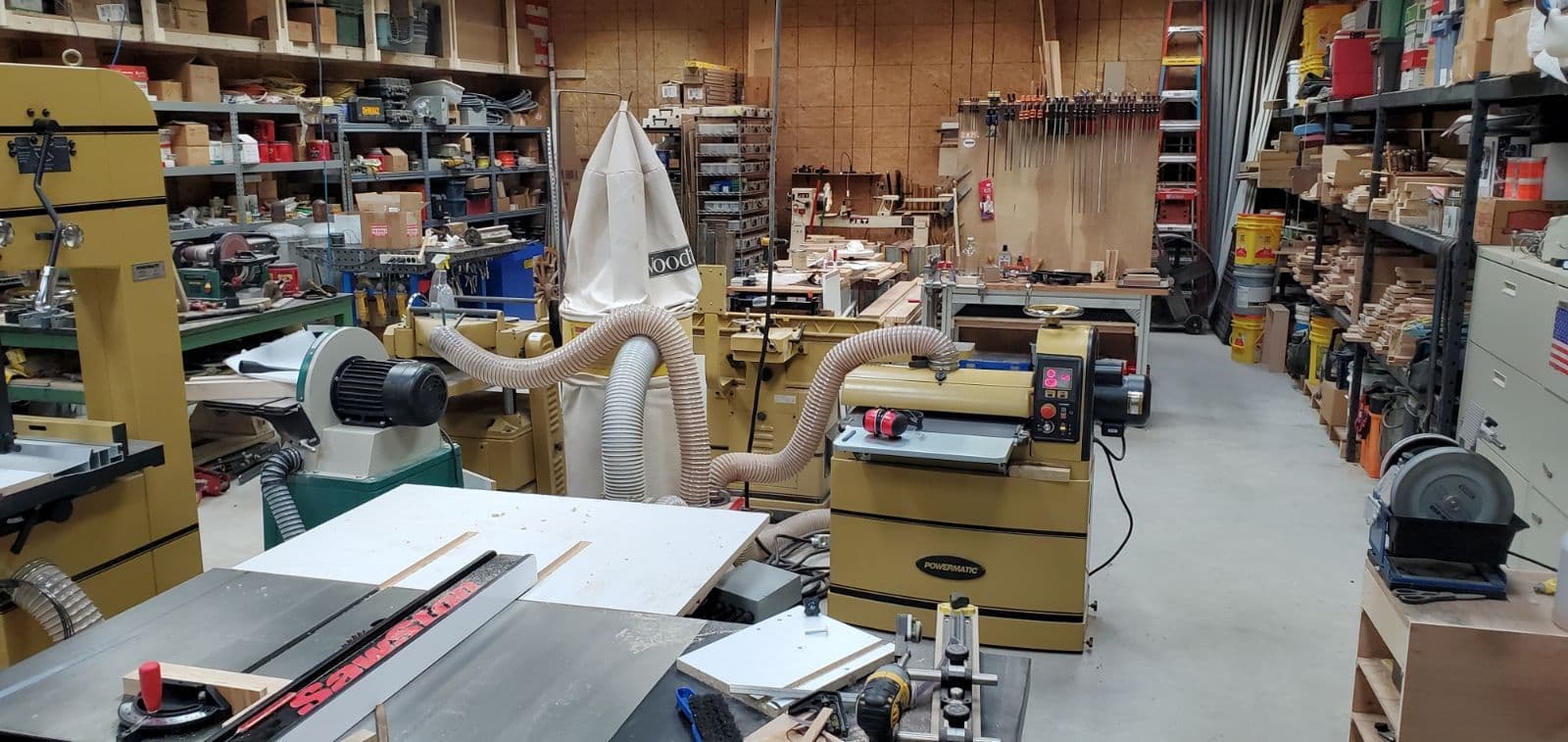
A bandsaw class is not a side topic in woodturning. It sits at the front end of the work, where blanks are sized, waste is cut away, and the rough shape is made safer and easier to handle before anything ever goes onto the lathe. The April 18 course matters because better stock prep saves time later, and in a small shop that usually means cleaner cuts, less strain, and fewer mistakes.
That emphasis lines up with the guild’s earlier 2026 activity. January’s newsletter mentioned a new bandsaw replacing an old one, along with a silent-bid process for the old saw, which is exactly the sort of practical machine turnover that tells you what a club uses day to day. Alan Lacer’s AAW-reprinted bandsaw guide makes the same point in stronger terms: turners often overlook the bandsaw, even though it is important for preparing stock for projects ranging from small tops to larger green-wood bowls.
For a prospective member, that is the real value. A bandsaw session is not abstract theory. It is the kind of instruction that changes how you break down a log, how you choose a blank, and how much work you do by hand before the lathe starts spinning.
The April demo leaned into repeatable work
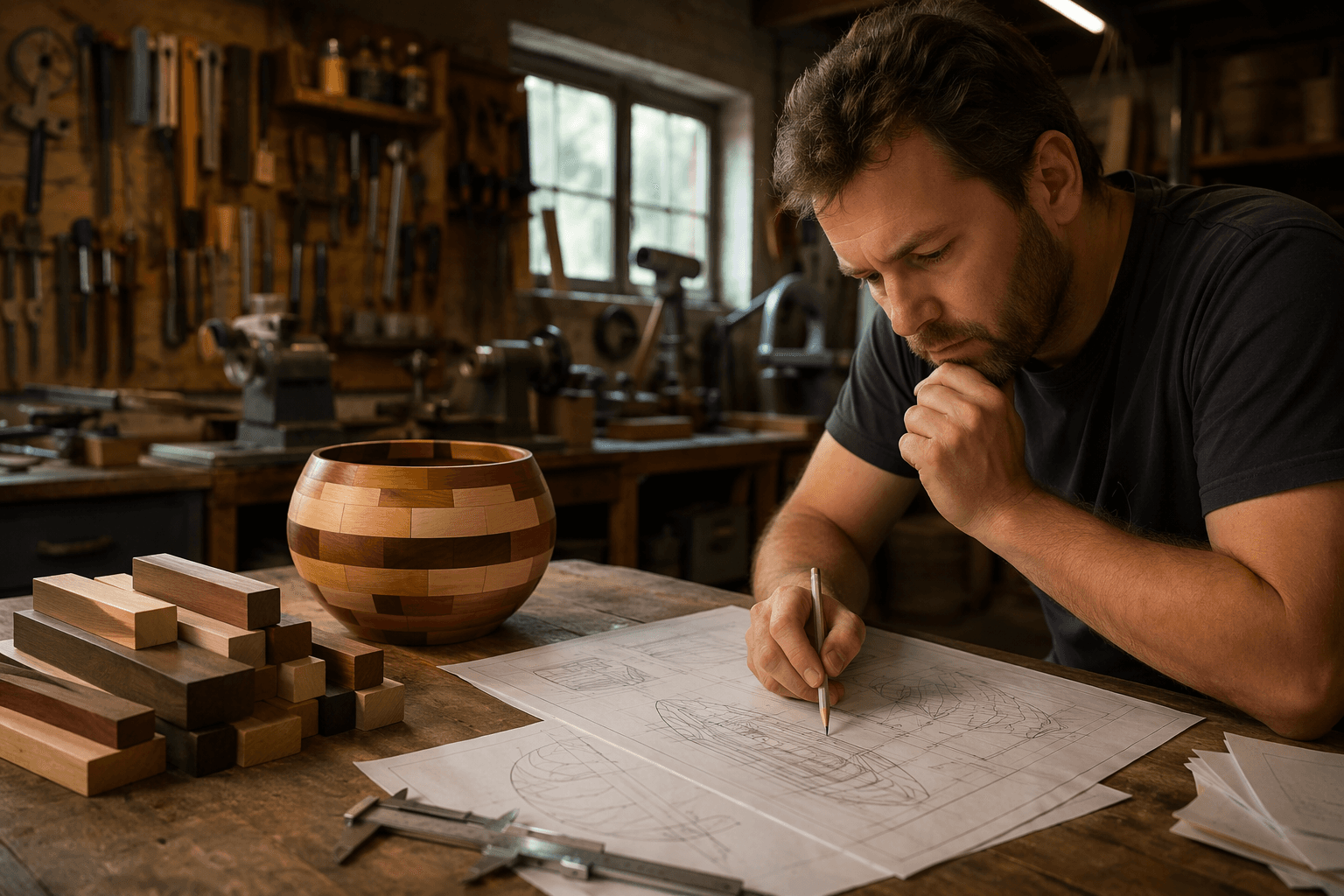
The April demo did not focus on a big sculptural statement piece. It centered on manually duplicating small items, with a cribbage peg and a chess pawn called out as examples. That is a smart choice for a club demo because those pieces demand consistency, not just flair. When you are making multiples, the challenge is getting one shape right and then repeating it without drifting off dimension or symmetry.
That kind of session speaks directly to turners who are moving past one-off practice bowls and into precision work. A cribbage peg has to fit the board and feel right in the hand. A chess pawn has to match the rest of the set closely enough that the eye does not catch every small variation. Demos like this reward attention to layout, tool control, and caliper use, which is where a lot of real skill gets built.
The newsletter also points readers toward Phil Holtan’s demonstration, show-and-tell, shop scenes, a focus on Australian cypress, and other woodturning events. Taken together, that reads less like routine housekeeping and more like a club trying to keep every kind of turner engaged, from the person chasing clean duplicates to the person looking for an interesting species to turn next.
A club with a wider footprint than one meeting night
Chippewa Valley Wooturners Guild began in November 2008 with ten charter members, and it is affiliated with the American Association of Woodturners. That matters because it places the group inside a much larger instructional network, and the AAW says it has more than 360 chapters worldwide. For a local guild, that kind of connection often means more access to demonstrations, shared techniques, and a broader sense of what other turners are doing.
The guild’s membership area is also unusually broad for a regional club. It says its reach covers west-central Wisconsin from Washburn County in the north to Jackson County in the south, and from St. Croix County in the west to Clark County in the east. In practical terms, that gives the club a large pool of turners who can trade tools, compare notes, and show up with very different shop setups.
The public meeting structure makes the club even more accessible. The first-Wednesday gatherings run from 7:00 p.m. to 9:00 p.m. at 1125 Starr Avenue in Eau Claire, and the format includes a demonstration, members’ show-and-tell, and a tool swap. That combination is hard to beat if you are trying to learn quickly, because you get shop techniques, finished work, and the chance to handle gear all in one night.
What a newcomer can actually do next
The April open house, listed for April 11, 2026 at 1125 Starr Ave. in Eau Claire, added a public-facing layer to the club’s spring schedule. It included a bowl-making demo at 9 a.m., which is exactly the kind of visible, concrete demonstration that pulls in people who want to see what turning looks like before they commit to joining.
If you are looking at the club now, the path in is straightforward:
- Show up for the first-Wednesday meeting at 1125 Starr Avenue in Eau Claire
- Watch the demonstration and compare notes during show-and-tell
- Bring a tool if you want to take part in the swap
- Pay attention to the bandsaw course, because that is where a lot of efficient turning starts
- Use the public demos, especially bowl making, to see how the club teaches in real time
The strongest takeaway from this newsletter is not simply that the club is busy. It is that the Chippewa Valley group is using spring the right way: opening its shop to the public, putting real instruction on the calendar, and backing it all up with enough membership support to keep the whole thing moving. That is how a local woodturning club stays relevant, and it is why this one looks ready for a strong season.
This article was produced by Prism’s automated news system from verified source data, official records, and press releases, then run through automated quality and moderation checks before publishing. The system is built and supervised by the people who set the standards it runs under. Read our full AI policy.
Did this article answer your question?