Cindy Drozda teaches clean gouge starts in free woodturning session
Cindy Drozda's free Tool Talk zeroes in on the maddening gouge skate-back at the cut start, with a practical fix rooted in presentation and setup.
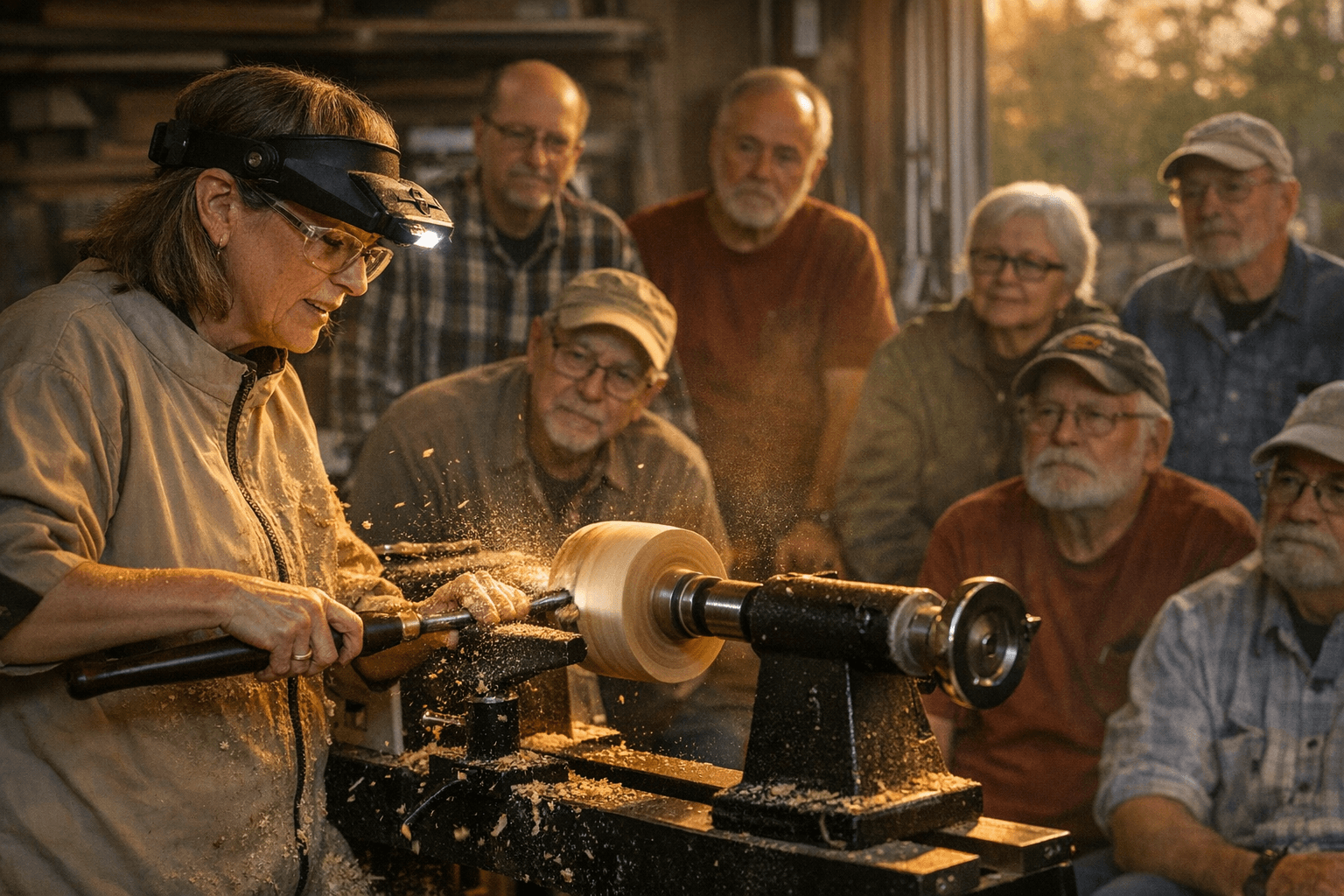
A cleaner entry cut starts before the gouge touches wood
The hardest part of a gouge cut is often the first contact. When the tool skates backward instead of settling into the cut, the problem is usually not brute force, but presentation, setup, and hand position.
That is the exact frustration Cindy Drozda targets in her “Entry Cut with a Gouge” Woodturning Tool Talk. The session is built around one of the most familiar annoyances at the lathe, giving turners a focused answer for the moment when control is most likely to break down.
A free session aimed at a stubborn problem
The talk is listed for April 24, 2026 at 11:00 AM and is free and open to everyone. That alone makes it an easy entry point, but the real appeal is the narrowness of the subject. Instead of drifting into broad theory, Drozda centers the session on the exact moment when a gouge starts a cut and either behaves or takes off.
For anyone who has watched a gouge bounce, grab, or slide back from the wood, that specificity matters. A better explanation of the entry cut can remove a recurring annoyance and make everyday turning feel much more predictable.
What Drozda is actually teaching
The emphasis of the session is tool presentation, not force. According to the event description, Drozda explains how the way the tool meets the wood changes the cut, which puts the focus on angle, support, and the relationship between the gouge and the workpiece.
That matters because the entry cut is where many turning mistakes show up first. If the tool rest height is off, if the hands are not positioned well, or if the bevel is not presented cleanly, the gouge can skid instead of cutting. Drozda’s approach treats that as a technique problem that can be fixed, not a mysterious failure of the tool.
Why this fits her teaching style
This Tool Talk is part of a regular Free Tool Talk livestream series. Drozda says it runs every other Friday at 2 p.m. Eastern, or 18 UTC, which makes it a familiar, recurring opportunity rather than a one-off lesson.
Her site says viewers can subscribe to her newsletter for a direct link or go to her YouTube channel at start time. That combination keeps the session low-barrier and accessible, especially for turners who want a live demonstration without paying for a formal class.
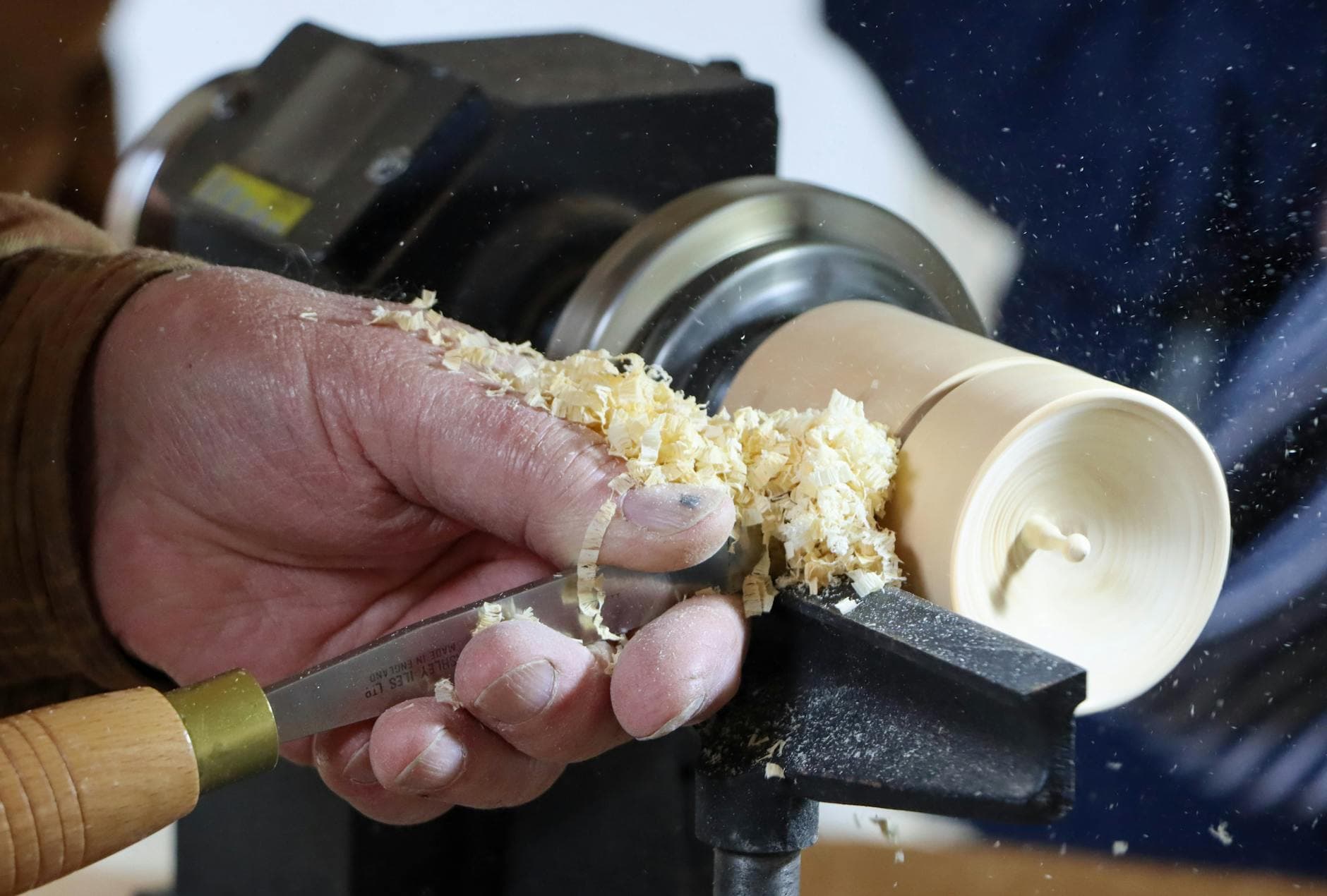
The format also goes beyond a single lesson. Drozda uses the sessions to share turning techniques, sharpening advice, and other woodturning topics, while also previewing upcoming events and offering a raffle prize. That gives the talk a community feel without losing the technical focus.
Why clean cutting is more than a beginner issue
Drozda’s own sharpening handout backs up the practical point behind the session. She says she uses a 40-degree bevel angle on bowl gouges, spindle gouges, and her roughing gouge. In her words, that bevel angle requires low cutting force and gives a clean cut without being difficult to control.
That detail matters because it connects the clean entry cut to the rest of the turning process. A gouge that is easier to control at the start is easier to trust through the cut, and that can reduce catches and hesitation. Her handout also notes that bowl gouges and spindle gouges usually have swept-back wings, a reminder that the shape of the grind is part of how the tool behaves at the wood.
A technique lesson grounded in the wider turning culture
Drozda’s biography identifies her as an active member of the American Association of Woodturners, and her home and studio are in Boulder, Colorado. That places the session in the center of an established turning community rather than in a generic how-to setting.
The broader importance of the topic shows up in an AAW-published clean-cutting article, which frames clean cutting as a foundational woodturning principle. That is the real strength of this Tool Talk: it addresses a basic issue, but not a trivial one. Clean cutting is not just for newcomers; it is part of sound turning at any level.
What readers can take from the session
The practical lesson here is straightforward. If a gouge skates back when starting a cut, the answer is likely in the presentation, the angle, and the setup, not in pushing harder. Drozda’s session turns that frustration into something teachable and repeatable.
- a better understanding of how the tool meets the wood
- a cleaner, safer entry cut
- less reliance on force
- more confidence at the lathe
For turners looking for a clearer start at the lathe, the value is immediate:
That is why this free session stands out. It tackles one of the most stubborn beginner-to-intermediate problems in woodturning with a named expert, a precise technique focus, and a format anyone can access.
This article was produced by Prism’s automated news system from verified source data, official records, and press releases, then run through automated quality and moderation checks before publishing. The system is built and supervised by the people who set the standards it runs under. Read our full AI policy.
Did this article answer your question?