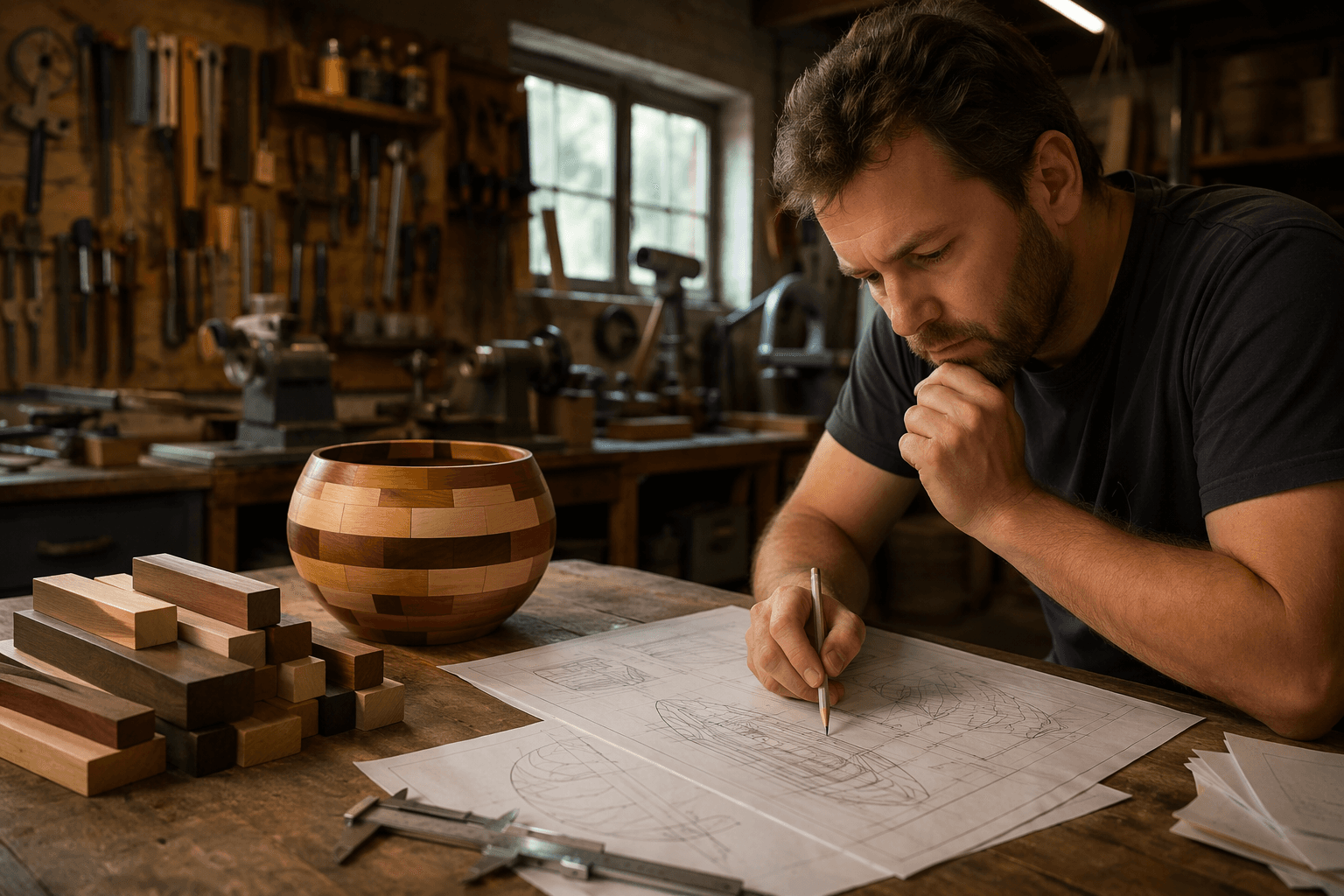
Port Townsend school schedules advanced bowl turning class with Matt Monaco
Matt Monaco’s five-day bowl class is built for turners ready to sharpen form, workflow, and finish in a small, skills-required setting.
Five days that can change the way your bowls read
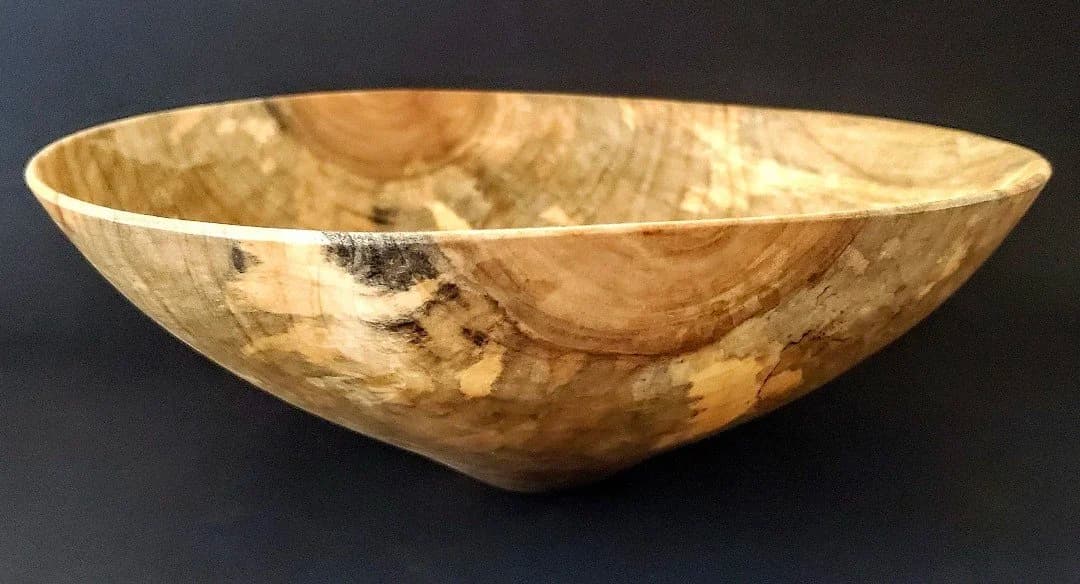
Matt Monaco’s bowl class is not a casual add-on to the spring calendar. At Port Townsend School of Woodworking, the five-day format matters because it gives serious bowl turners time to move past “can I make this?” and into the harder, more revealing work of design, proportion, and finish. If your bowls already come off the lathe cleanly but still feel a little ordinary, this is the kind of class that pushes the shape, the flow, and the overall presence of the piece.
The school has placed “Bowl Turning: Developing Fine Design, Form, and Finesse” on its spring 2026 schedule for May 11-15, 2026, and it is explicitly marked “Some Skills Required.” That makes the target audience clear: this is for turners who already know their way around the lathe and want to refine the choices that separate a functional bowl from one with real visual authority.
Why this class stands out
Monaco is being brought in as a master woodturner, and the wording around the course is telling. The class is built around learning to “develop and implement the skills necessary to execute and create a variety of traditionally turned classic vessels,” which puts the focus on classical bowl proportions, controlled curves, and the sort of finish quality that reveals a turner’s eye as much as their hand.
That is the practical payoff here. Five days gives room for repetition, critique, and adjustment, which matters when the goal is not just bowl-making mechanics but the deeper habits that shape a refined result. For bowl turners who already have basic tool control, the benefit is likely to be in workflow as much as form: cleaner decisions at the lathe, tighter transitions, and more confidence in when to stop shaping and start finishing.
What Port Townsend is signaling with the rest of its woodturning calendar
Monaco’s class does not sit alone. It appears alongside Elizabeth Weber’s “Woodturning: Form, Texture, and Finish on Vessels,” scheduled for April 20-24, 2026, and Tim Lawson’s beginner woodturning course, listed for August 24-28, 2026. Taken together, those offerings show a school that is not treating woodturning as an occasional specialty. It is presenting a real progression, from beginner work into more advanced vessel and bowl development.
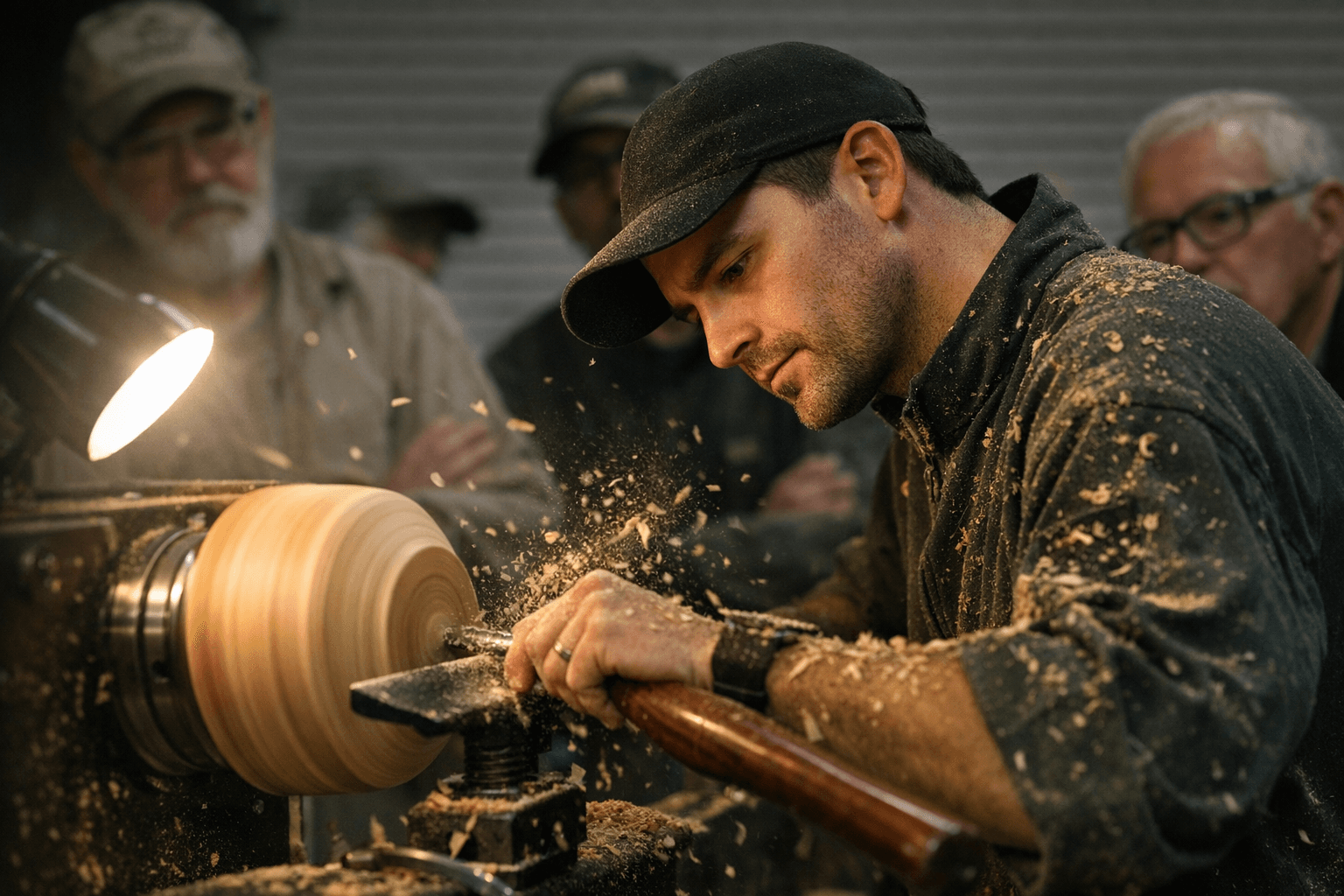
That progression is part of the appeal for anyone mapping out a year of training. Weber’s course emphasizes form, texture, and finish on vessels, while Lawson’s beginner class is the on-ramp for complete newcomers or turners whose skills have gone rusty. Monaco’s bowl course sits above that foundation, aimed at the point where a turner is ready to make better design choices and move toward a more polished personal style.
The school itself is built for hands-on development
Port Townsend School of Woodworking says it offers weekend, one-week, and three 12-week intensives, which tells you the institution is structured around sustained craft education rather than one-off demonstrations. Its classes are taught at Fort Worden State Park, overlooking the Salish Sea, a setting that gives the school a distinctly Pacific Northwest identity and makes the campus feel more like a working craft retreat than a classroom in the usual sense.
The school also says it is approved for GI Bill / VA Vocational Rehabilitation funding, which is a meaningful detail for prospective students weighing whether to commit to a higher-cost, skill-building course. For a class priced at $1,000 plus $75 in materials, that funding approval may make the difference for some students who want access to a concentrated five-day experience.
What the numbers say about the class
The bowl course is listed as a five-day session with a class size of 12. That smaller group size matters in a lathe class because bowl turning is full of tiny corrections that benefit from live, in-person feedback: wall thickness, rim treatment, curve continuity, tool presentation, and sanding or finishing decisions that can change the final read of a piece.
A class with only 12 seats also signals that this is not meant to be broad survey instruction. It is more likely to function as a workshop where Monaco can watch what each turner is doing and steer them toward better form and cleaner execution. In a discipline where a few millimeters can change a rim from elegant to fussy, that kind of direct attention is the real commodity.
Why Monaco is a fitting teacher for this lane of work
Monaco’s own description and teaching background line up neatly with the school’s emphasis on classical bowl work. His site describes him as a wood turner and teacher who makes turnings with classical flair and impeccable technique. The Center for Furniture Craftsmanship says he operates a full-time woodturning studio in the Ozark region of Missouri, where he makes functional turnings, signature series vessels, lidded containers, and spindle-turned items.
That breadth matters because it suggests he is not approaching bowls as isolated objects. He comes out of a studio practice where form has to work across vessels, containers, and spindle work, and that usually shows up in teaching as attention to proportion, consistency, and finish discipline. A separate faculty bio from Peters Valley School of Craft adds that Monaco trained and apprenticed within the handmade trade landscape and worked full-time in high-end furniture production at Shackleton Thomas Furniture & Pottery. That background helps explain why his instruction is likely to lean so heavily on refinement rather than rough utility.
The school’s craft lineage shows up in the calendar, too
Port Townsend’s current woodturning offerings also reflect a longer institutional story. Tim Lawson moved to Port Townsend in 2004, co-founded the school in 2007, became executive director in 2011, and retired in 2017. That arc matters because it shows continuity: the school is not just hosting classes, it is carrying forward a craft program shaped by people who built the institution over time.
That lineage helps explain why the school can credibly stage both beginner courses and more advanced offerings in the same calendar. Lawson’s beginner class for August 24-28, 2026 is a reminder that the school still welcomes newcomers, but Monaco’s May class is the stronger signal for experienced turners looking to level up. The message is simple: if your next step is better bowl form, cleaner curves, and a more confident finish, this is the kind of five-day workshop that can actually move the work forward.
This article was produced by Prism’s automated news system from verified source data, official records, and press releases, then run through automated quality and moderation checks before publishing. The system is built and supervised by the people who set the standards it runs under. Read our full AI policy.
Did this article answer your question?