Craft schools urged to revive woodturning for growing wooden utensil demand
Microplastics fears are driving demand for wooden utensils as Africa's wood tableware market heads toward 61K tons by 2035, but schools lack trained turners.
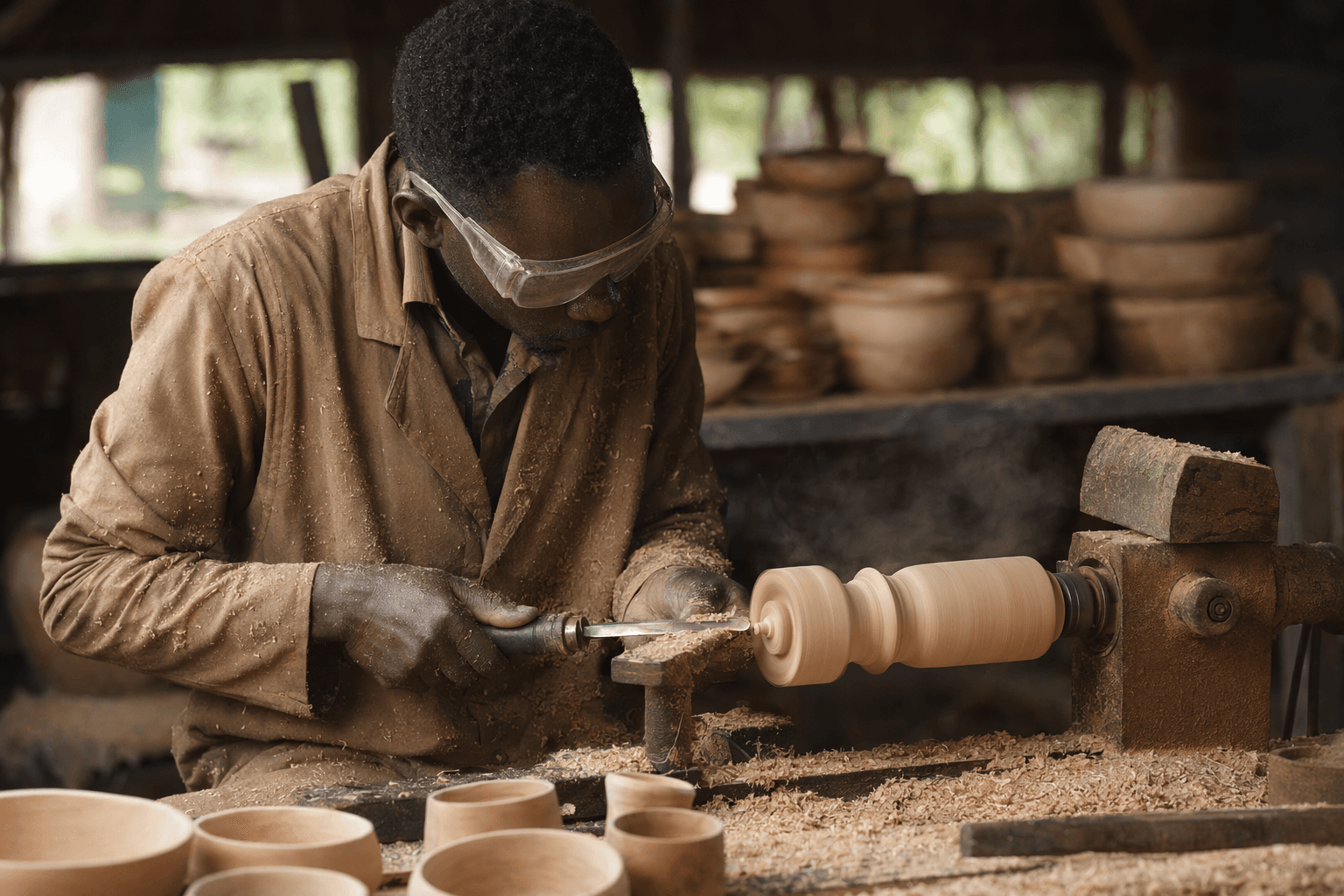
Wooden spoons, bowls and cutlery are moving from heritage objects to marketable goods, and SHAV is pushing craft schools to treat woodturning as a real workforce pipeline, not a hobby sideline. The argument lands in a market shaped by plastic anxiety: the European Food Safety Authority says food-contact materials, including kitchen utensils and cutlery, can transfer micro- and nanoplastics into food, while the World Health Organization says the health issue around plastic polymers, additives, microplastics and nanoplastics is still full of evidence gaps. Even so, concern is already changing buying habits.
That shift matters because the numbers are no longer small. IndexBox says Africa’s wood tableware and kitchenware market is forecast to reach 61,000 tons by 2035, with Tunisia, Mozambique and Uganda leading in value. Tunisia supplies 83 percent of the continent’s wood kitchenware and tableware exports, while South Africa is one of the biggest importers, with imports rising at an average annual rate of 8.3 percent. In other words, there is already a trade lane for wooden plates, serving spoons and kitchen sets. The question is whether more of that value can be made locally instead of bought in.
The craft case is strong, but the skills gap is real. A study of African traditional wood carvers found that knowledge transfer is fragile when artisans die or migrate, which is exactly the problem craft schools are meant to solve. UNCTAD has argued that Africa needs deeper regional value-added trade networks and more intra-African trade to build resilience, and wooden utensils fit that brief better than another round of imported plastic kitchenware. A trained turner can produce salad bowls, honey dippers, rolling pins, spatulas, pestles and small serving pieces with relatively modest equipment, but only if training covers spindle work, bowl turning, safe tool presentation and finishing for food-contact use.
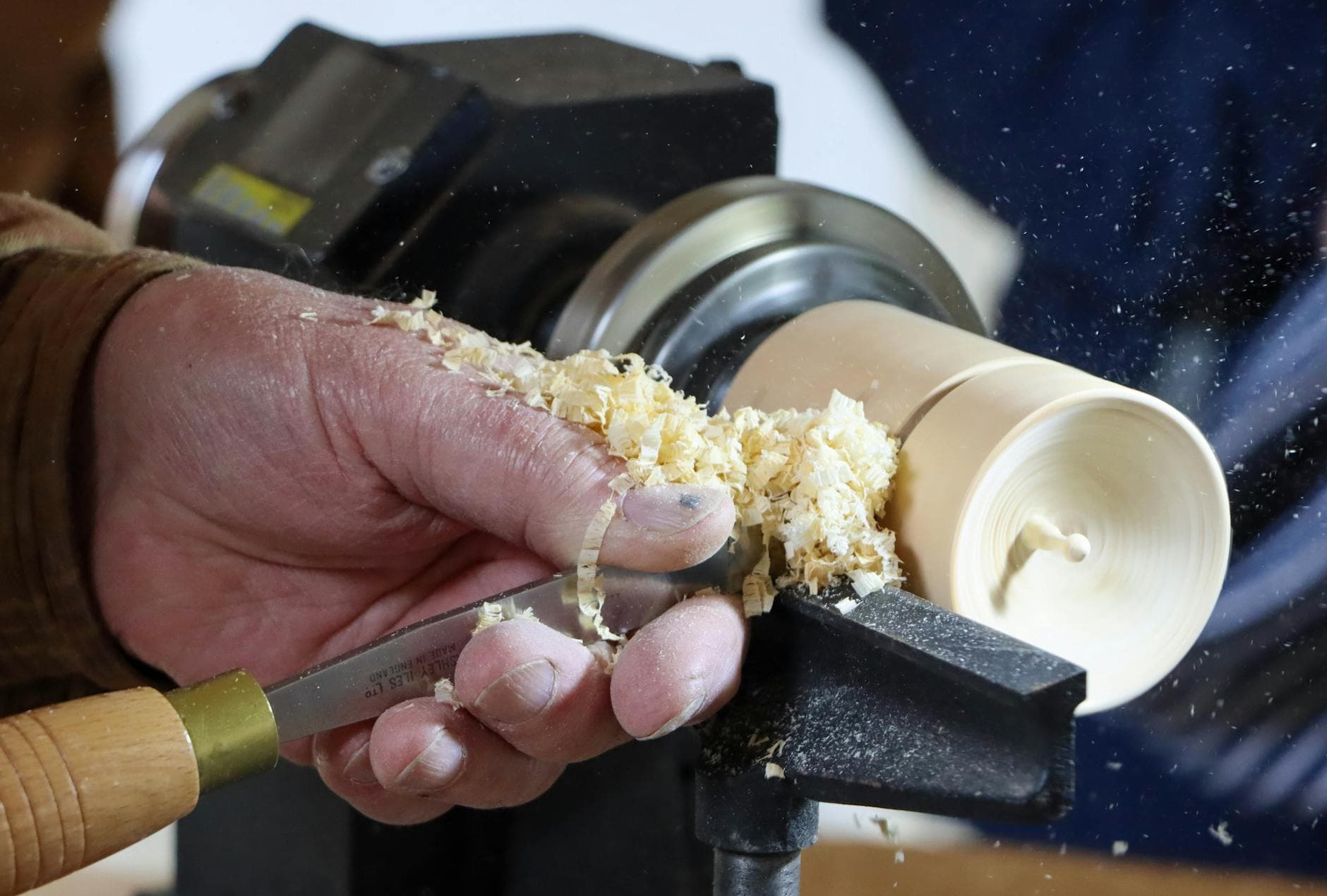
South Africa already has the bones of that ecosystem. The Association of Woodturners of South Africa says its mission is to promote woodturning, support training standards and educational facilities, and connect clubs across the country. Its 2024 symposium in Cape Town drew 109 delegates and 14 demonstrations, while its 2025 event at Northlink College in Cape Town featured 20 demonstrations and an international demonstrator, Helen Bailey. That kind of turnout says the craft has an audience. The tougher test is scale: whether schools can turn that enthusiasm into steady production, exportable quality and a living for the next generation of turners.
This article was produced by Prism’s automated news system from verified source data, official records, and press releases, then run through automated quality and moderation checks before publishing. The system is built and supervised by the people who set the standards it runs under. Read our full AI policy.
Did this article answer your question?