David Chapin Brings Cognitive Learning Approach to NC Woodturners Guild Meeting
David Chapin, a former CEO who holds nearly 50 patents, brought a cognitive framework for breaking plateaus to the NC Woodturners Guild on April 9.
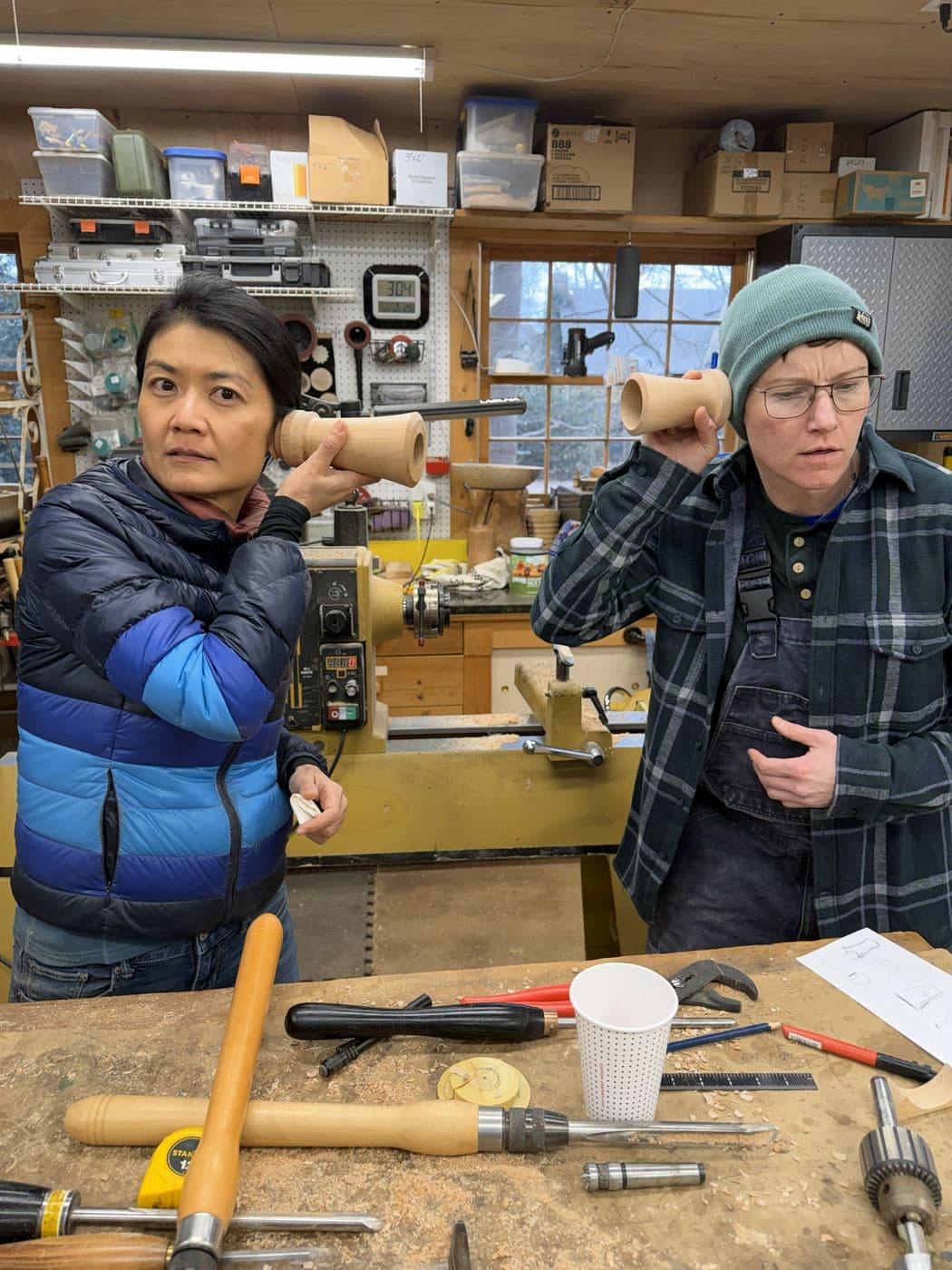
David Chapin walked into the NCSU Crafts Center on April 9 not with a freshly sharpened skew or a bowl blank, but with a framework. The Woodturners Guild of North Carolina's hybrid meeting featured the woodturner, designer, and former CEO presenting "How to Get Better at Woodturning Without Guesswork or Frustration," and the room, both physical and virtual, showed up for it.
Chapin's credentials made the premise credible before he touched a tool rest. A physicist by training and product designer by practice, he holds nearly 50 patents and spent years as a CEO before turning his analytical attention to craft education. His focus was not technique in the traditional sense but the cognitive layer underneath it: how makers diagnose their own work, build deliberate practice habits, and extract useful learning signals from every piece they turn rather than repeating the same mistakes at higher RPMs.
The session addressed three distinct audiences. Newer turners got rules of thumb and structured, low-pressure pathways for improvement. Intermediate turners heard Chapin's approach to breaking plateaus and making more intentional design decisions. Experienced turners were invited to examine how they critique their own work and refine personal style with greater precision.
One of the session's listed outcomes cut straight to the psychology of the craft: understanding "why your work may not match your expectations (and why that's normal)." That framing alone separates a Chapin session from a standard demo, where the demonstrator's work reliably meets expectations because the demonstrator designed the project.
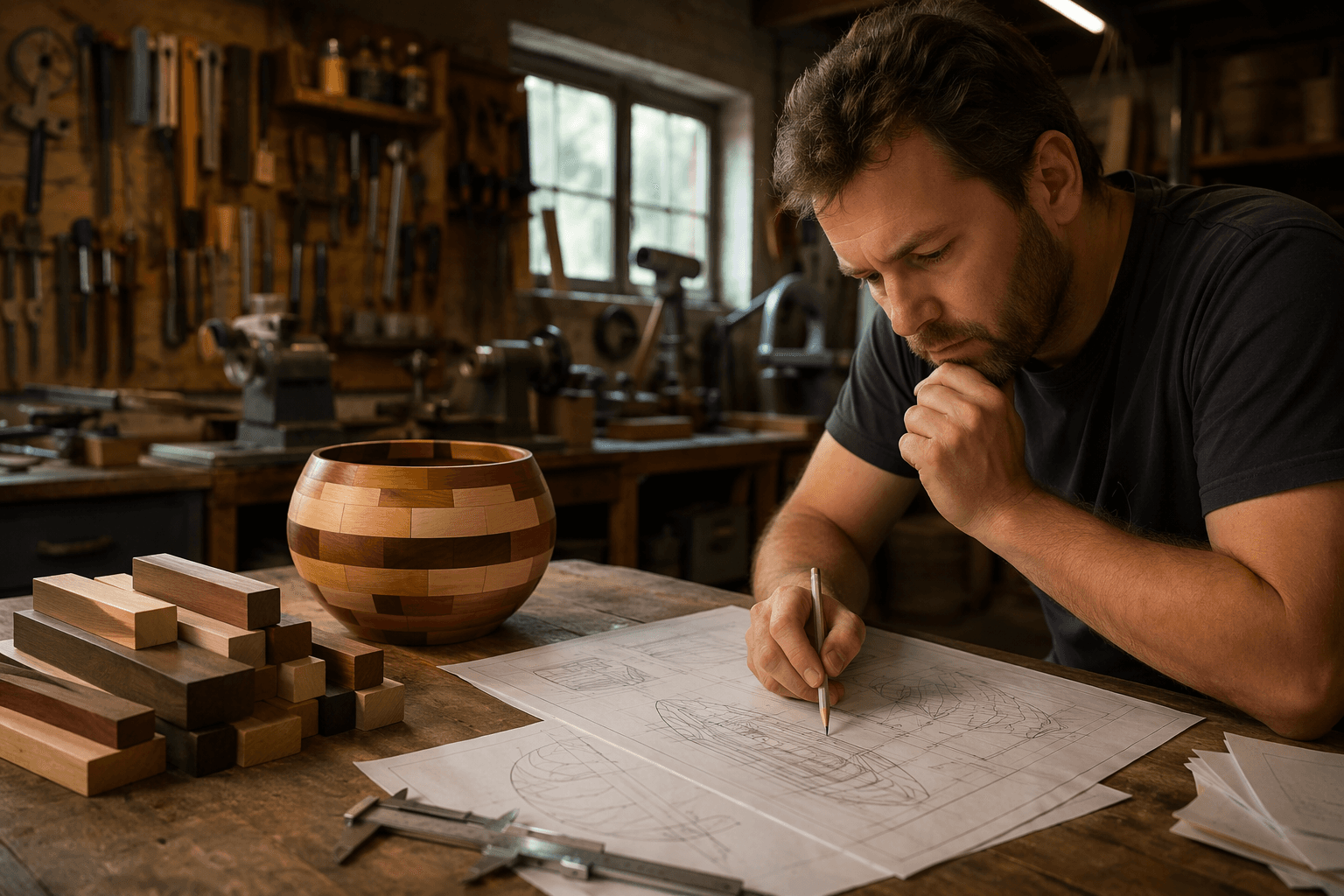
In a practical move that underscored his design background, attendees were asked to bring a pencil and clipboard. Sketching, in Chapin's view, is a design tool built into the turning process, not an afterthought, and integrating it into practice sessions is part of building more intentional, less reactive work at the lathe.
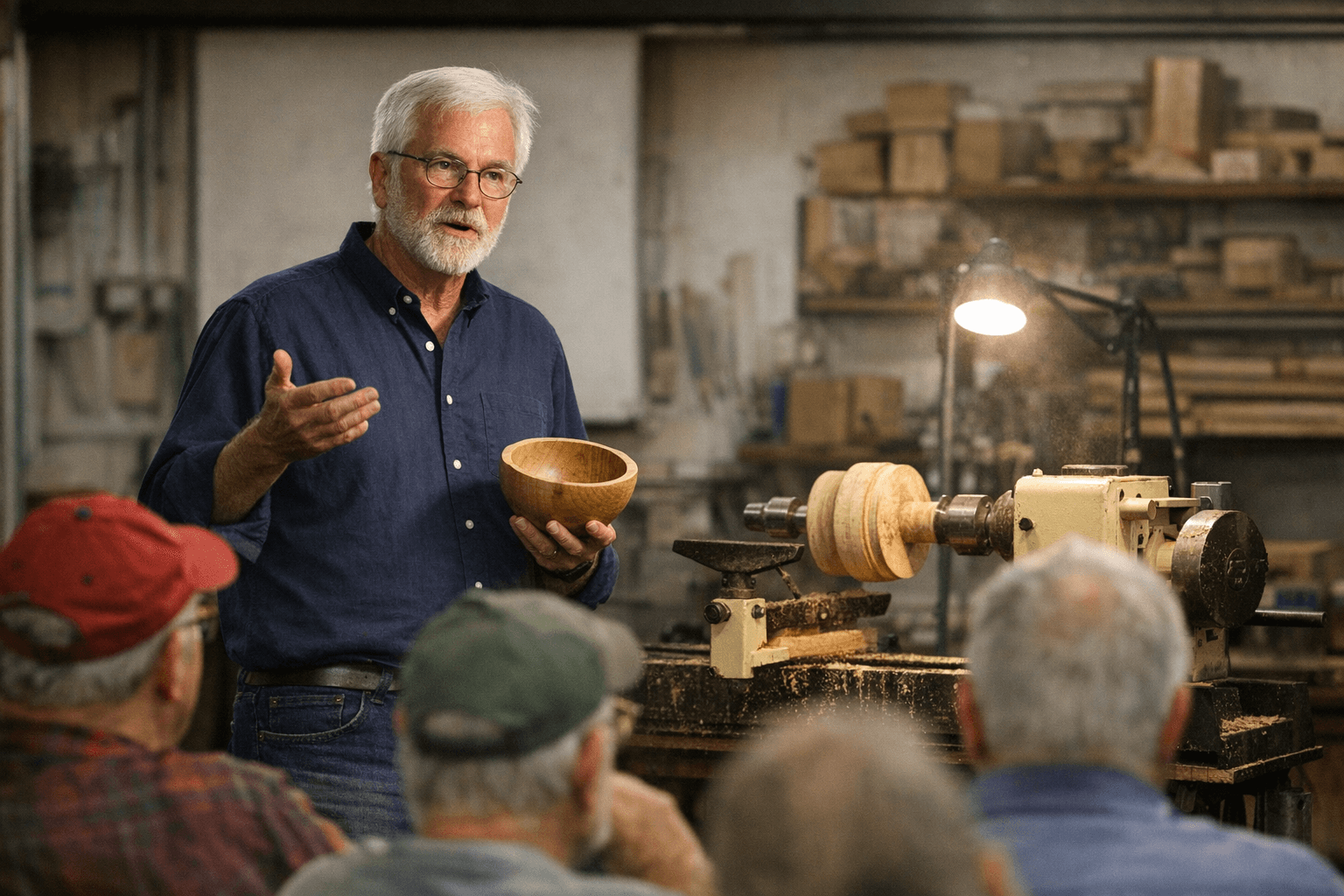
The guild ran the meeting in its established hybrid format: Zoom opened at 6:15 PM for socializing, with the full meeting beginning at 6:45 PM and the demonstration at 7:00 PM. In-person attendees gathered at the NCSU Crafts Center while remote members joined via Zoom, the model the guild has adopted to extend reach beyond the Triangle and accommodate members with schedule or travel constraints.
Three questions worth surfacing in your own shop after watching: What specific signal in a finished piece tells you whether a problem is tool control, design choice, or material behavior? How do you structure a practice session to generate real feedback rather than open studio time? And when a piece misses the vision, at what point in the process did the gap actually open?
If a newer member in your chapter has been quietly grinding through the same plateau for a season, the recording, if the guild makes it available, is worth passing along.
This article was produced by Prism’s automated news system from verified source data, official records, and press releases, then run through automated quality and moderation checks before publishing. The system is built and supervised by the people who set the standards it runs under. Read our full AI policy.
Did this article answer your question?