How to turn raw logs into usable woodturning blanks
Raw logs turn into reliable blanks when you cut out the pith, seal the end grain fast, and choose trunk wood that can survive drying.
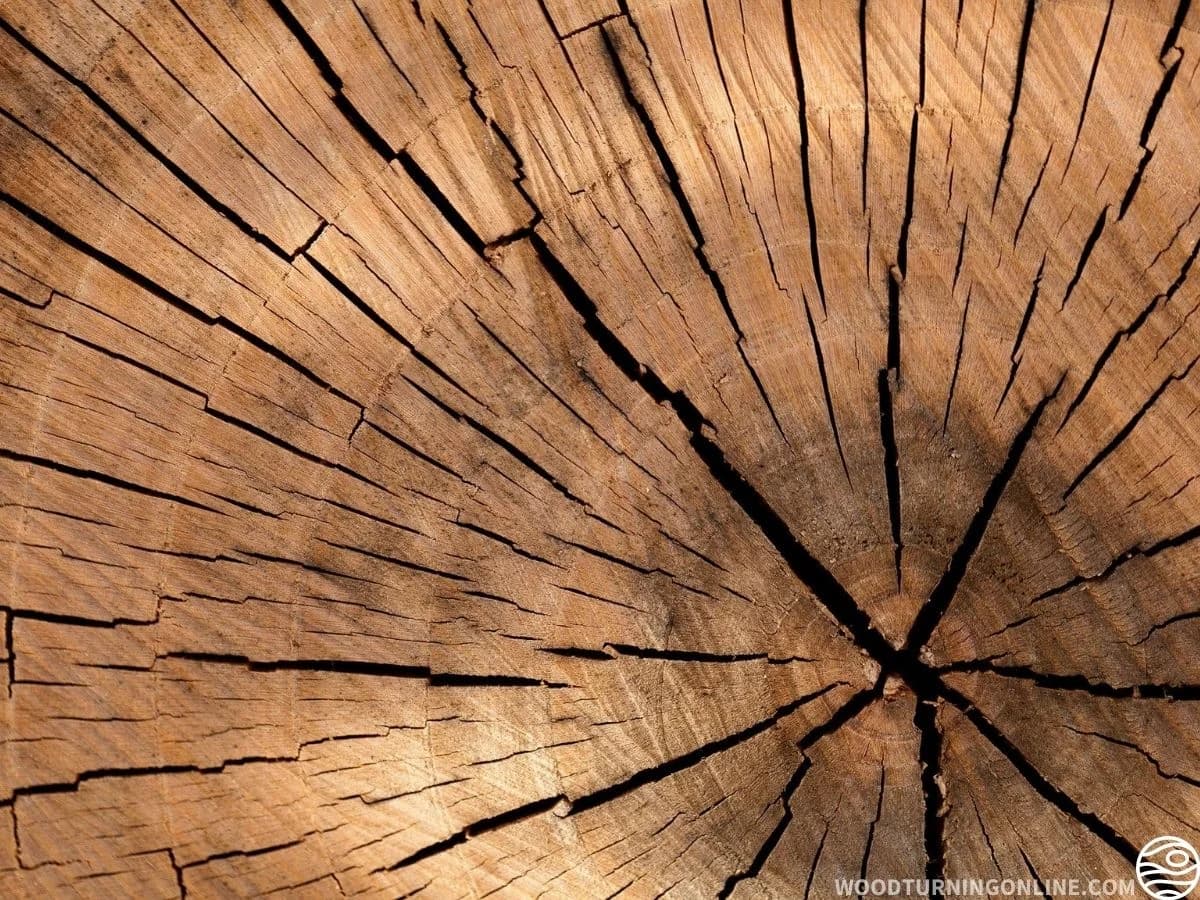
In one American Association of Woodturners example, a cherry bowl blank cut in July showed visible cracks within an hour. If you want to turn backyard wood, storm-fall timber, or salvaged logs into stock that actually survives the trip to the lathe, the work starts long before the first cut and long before the first roughing pass. Choose the right section of the tree, cut it to respect the grain, seal it quickly, and remove the defects that will turn a promising blank into firewood.
Start with the right log
Not every log earns a place in your stack. Straight trunk sections with fewer knots are far better candidates than limb wood, because branches carry more stress and usually produce poorer figure and poorer turning quality. That difference matters as soon as you begin laying out a bowl blank or spindle stock.
Green wood also gives you a practical advantage. It is often easier to work, more readily available, and less expensive than kiln-dried stock, which is why so many turners are willing to process their own logs instead of buying ready-made blanks. A fallen cherry, maple, or whatever your property offers can become a raw materials pile instead of a cleanup problem.
Read the grain before you make the first cut
The pith is the soft center of the tree, and for bowl blanks cut from straight-grain wood, it needs to stay out of the finished layout. Checking often starts there, because the pith is a source of tension and a weak point as the wood dries. If you leave it in the blank, you are asking the most unstable part of the log to stay intact while the rest of the wood moves around it.
That movement is not subtle. Wood shrinks much more across the grain than along it, and green wood that dries too quickly and unevenly develops stresses that show up later as warping, cracks, or checks. That is why rough-cutting gives the wood a shape that can dry faster and more evenly than a large solid round. A rough-turned blank can dry much more quickly than a full block, which is one reason turners process logs instead of leaving them as unbroken rounds.
Seal the fresh end grain immediately
The moment the log comes down, your job is to slow the escape of moisture from the end grain before the surface starts checking and the blank becomes less useful.

A commercial green-wood sealer, or wax such as Anchorseal, is the cleanest and most reliable choice for many blanks. The point is to cover the end grain quickly so moisture loss stays controlled. You will see people reach for paint or paraffin, but dedicated sealers are easier to clean up and are made for this job. If you are working with a log that cannot be cut and processed right away, sealing the ends is the difference between a useful blank and a cracked reminder of what you meant to do.
After the initial cut, store rough-turned pieces with even ventilation and out of direct sunlight. That combination lets moisture leave more slowly and more evenly, which is exactly what you want if the blank is going to stay sound long enough to finish. Sun and hot, uneven airflow do the opposite, pushing the outside of the wood to dry too fast while the core lags behind.
Keep the hidden hazards out of the saw and off the lathe
A log from a backyard tree or a salvaged trunk can hide more than grain. Old nails, wire, rocks, and other debris can wreck saw blades and create a hazard later at the lathe, so you need to inspect the wood before you cut deeply into it. A handheld metal detector or a rare-earth magnet can save a bandsaw blade and your tool rest.
That same discipline belongs at the lathe. Wear a full face shield whenever the lathe is turned on, and run slower speeds for larger diameter or rough pieces. Raw log work is exactly where those cautions matter most, because irregular stock can be out of balance and wet.
Treat log processing as a chain of decisions
The real mistake many new turners make is thinking they are simply chopping a round into squares. Log-to-blank work is a sequence: choose the right species or section, read the grain, cut out the pith, seal the end grain, inspect for metal, and store the blank so it dries without tearing itself apart. Skip one link and the whole blank can fail before it ever reaches finish cuts.
Green woodwork has a long history, and traditional chairmaking has long used green wood because it shrinks and locks joints together as it dries. Woodturning borrows from that same logic.
This article was produced by Prism’s automated news system from verified source data, official records, and press releases, then run through automated quality and moderation checks before publishing. The system is built and supervised by the people who set the standards it runs under. Read our full AI policy.
Did this article answer your question?