Offchurch Woodturners learn hollow-vessel shaping in Nick's oak demo
Nick’s oak demo gave Offchurch Woodturners a live look at hollow-vessel shaping, then the club turned to July’s coaster competition and its August 1 barbecue.
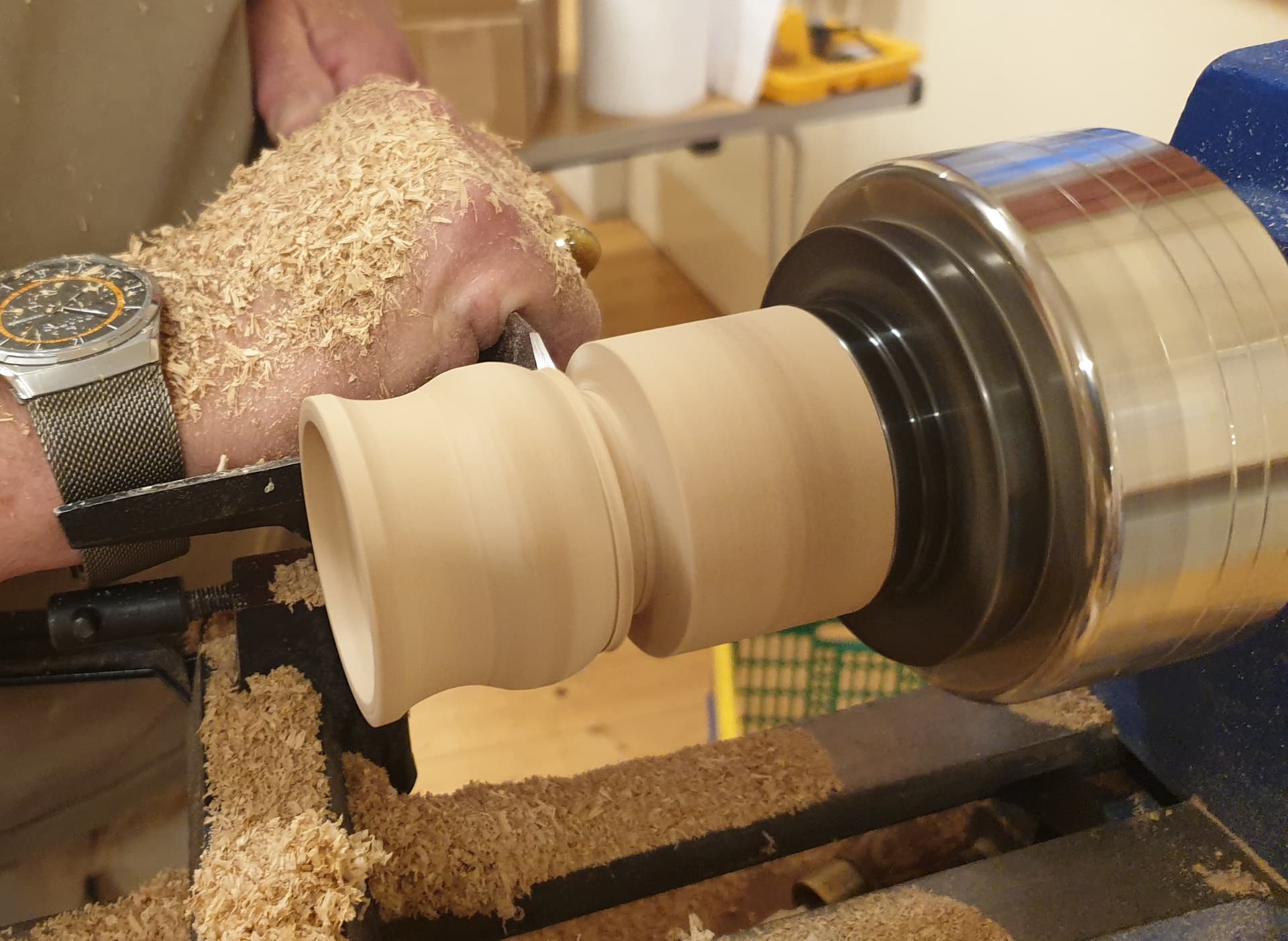
Nick’s oak hollow-vessel demo gave Offchurch Woodturners a close look at one of the trickier shapes in the craft, even though the evening stopped before the hollowing could begin. That made the session feel less like a polished showpiece and more like a working club night, with members seeing how a vase-like or urn-shaped form is built from the outside in before the cavity is ever reached.
Hollow-vessel shaping starts with the profile
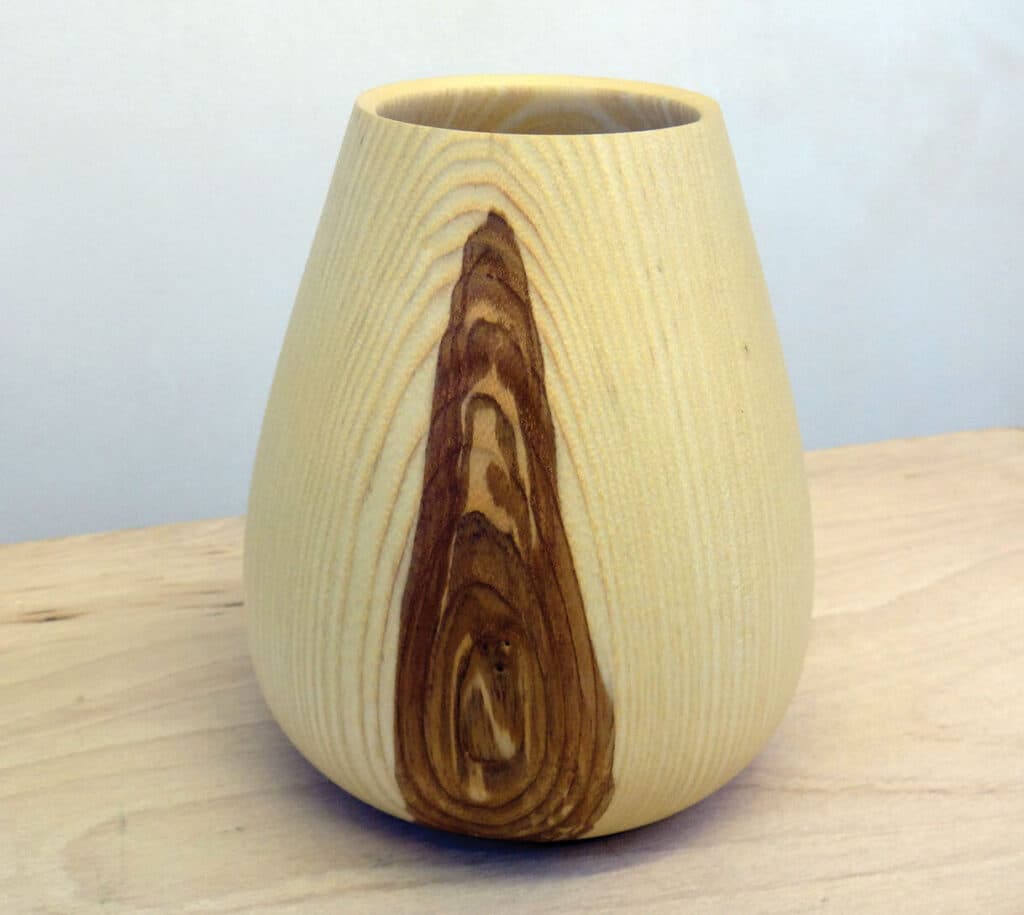
The club described a hollow vessel, or hollow form, as a piece with an internal cavity that is significantly wider than the opening at the top, which immediately frames the job as both a design exercise and a technical one. In broader woodturning terms, that kind of work is usually hollowed to a relatively uniform wall thickness through a narrow opening, and that is exactly why it carries a reputation for being nerve-racking. A solid outside shape can look simple enough on the lathe, but the relationship between the exterior curve, the wall thickness, and the final access hole is what makes the form so demanding.
Nick’s demonstration began with oak mounted between centers, then rounded to establish a clean starting point. From there he created a male spigot for later chucking, using a skew to cut the dovetail shape needed for the jaws before marking out the outside surface to define the high point of the urn. Even before hollowing entered the picture, the sequence showed members how much of the final piece is established while the blank is still fully accessible.
Why the outside matters before the hollowing begins
The evening ran into a couple of technical issues, so Nick was only able to prepare the exterior before the demo had to pause. Even so, the outside-shaping stages were detailed enough to carry real value for the room, because hollow forms succeed or fail long before the cutter ever goes through the opening. The profile has to read as one continuous line, and the transition from the top shoulder to the belly of the vessel needs to feel intentional rather than segmented.
Nick used a spindle gouge to shape the outside surface, and the newsletter highlighted one point that matters on every elegant turned form: pivoting. That movement helps the tool follow a true flowing curve instead of leaving a faceted surface, which is a common problem when the turner is concentrating too much on cuts and not enough on body position. It is the kind of practical reminder that only lands properly in a live demo, where members can see how the turner’s stance, tool presentation, and touch all work together.
He also shared a useful chucking tip: make the spigot slightly shorter than the depth of the jaws so the work bears on the front face of the chuck jaws rather than bottoming out inside them. That detail may sound small, but it is the sort of thing that keeps a piece secure and avoids frustrating setup problems later in the process. For club members, those are the takeaways that matter most, because they translate straight from the bench to the lathe.
The hollowing will come back to the bench
Because the cavity stage had to wait, Offchurch Woodturners plans to revisit the project in a couple of months and pick up where Nick left off. That gives the June meeting a clear second act, and it also makes the hollow form feel like a club project rather than a one-night demonstration. When the group returns to it, the members will already know the outside profile that was established in oak, so the later hollowing should connect cleanly to the lesson that began with the spigot and the curve.

The June diary entry captured that evening simply as “Hollow vessels - Nick,” but the practical message behind the entry was broader than the short line suggests. A partly completed hollow-vessel demo still gives a woodturning club exactly what it needs: a chance to see how a challenging form is set up, where the risks sit, and which details can save a lot of trouble once the inside is opened up.
What comes next for Offchurch Woodturners
The club is not slowing down after the hollow-form night. Its public diary lists the next meeting for Thursday 2 July 2026 at 7pm, under the heading “Focus on Sharpening,” and the June newsletter also looks ahead to the July competition, where the judging will be on a coaster. That kind of follow-on matters, because it keeps the club moving from one practical challenge to the next without losing momentum.
The social calendar is equally strong. Offchurch Woodturners has set its 25th anniversary barbecue for Saturday 1 August 2026 at 1pm, described as a summer celebration with bring-your-own food and games. The club framed it as a late-lunch barbecue, which gives the anniversary a proper gathering feel rather than just a date on the calendar.
A small club with a wide welcome
Offchurch Woodturners describes itself as a small club for amateur woodturners of all abilities and experience, including both men and women. Its meetings include demonstration evenings and hands-on learning for novices, which explains why a night like Nick’s hollow-vessel session fits the club so well. The learning is practical, the atmosphere is friendly, and the emphasis stays on doing real turning work rather than talking around it.
The club meets at Offchurch Village Hall, School Hill, Offchurch, near Leamington Spa, Warwickshire, CV33 9AL, on the first Thursday of the month at 7pm. That regular rhythm gives members a clear run of workshop dates, and it is why the June hollow-vessel demo, the July sharpening night, and the August anniversary barbecue all read as parts of the same lively club story.
Nick’s oak demo may have paused before the hollowing began, but it still did the job that matters most at club level: it turned a difficult form into something members could see, understand, and build toward next time.
This article was produced by Prism’s automated news system from verified source data, official records, and press releases, then run through automated quality and moderation checks before publishing. The system is built and supervised by the people who set the standards it runs under. Read our full AI policy.
Did this article answer your question?