Ottawa TurnFest 2026 brings therming, bowl turning and textured finishes
Three demonstrators, three very different problems to solve: TurnFest 2026 packed bowl turning, therming, and finishing ideas into one Ottawa weekend.

A weekend built for turners who wanted practical range
Ottawa TurnFest 2026 gave active turners a rare kind of value: one weekend, three demonstrators, and a program that moved from experimental forms to bowls to surface work without losing its shop-floor usefulness. Hosted by Valley Woodturners, the club’s inaugural TurnFest was set for Saturday, May 23, and Sunday, May 24, 2026, at the Confederation Education Centre Cafetorium, 1645 Woodroffe Ave., Ottawa, Ontario K2G 1W2.
That mix mattered because it was not a single-technique weekend. The lineup paired Art Liestman, Dale Larson, and Elizabeth Weber, with the American Association of Woodturners listing the event as a two-day symposium, each demonstrator giving a three-hour demo and lunches included. Registration was open to the general public as well as club members, then closed before the weekend, which made the event feel like a capped, symposium-style gathering rather than an open-ended club meeting.
Why the demonstrator mix worked
The strength of Ottawa TurnFest was the way the three presenters covered different corners of the craft without overlapping too much. If you came looking for form-making, you had one path. If you wanted grain selection, drying, and classic bowl fundamentals, there was another. If your real interest was texture, carving, and surface treatment, the third presenter had that covered.
That is exactly the kind of program that helps a club weekend land with both newer turners and experienced members. It gives production-minded woodturners something concrete to take back to the lathe, while also giving the more artistic crowd material to think about beyond shape alone.
Art Liestman: therming and lost wood processes
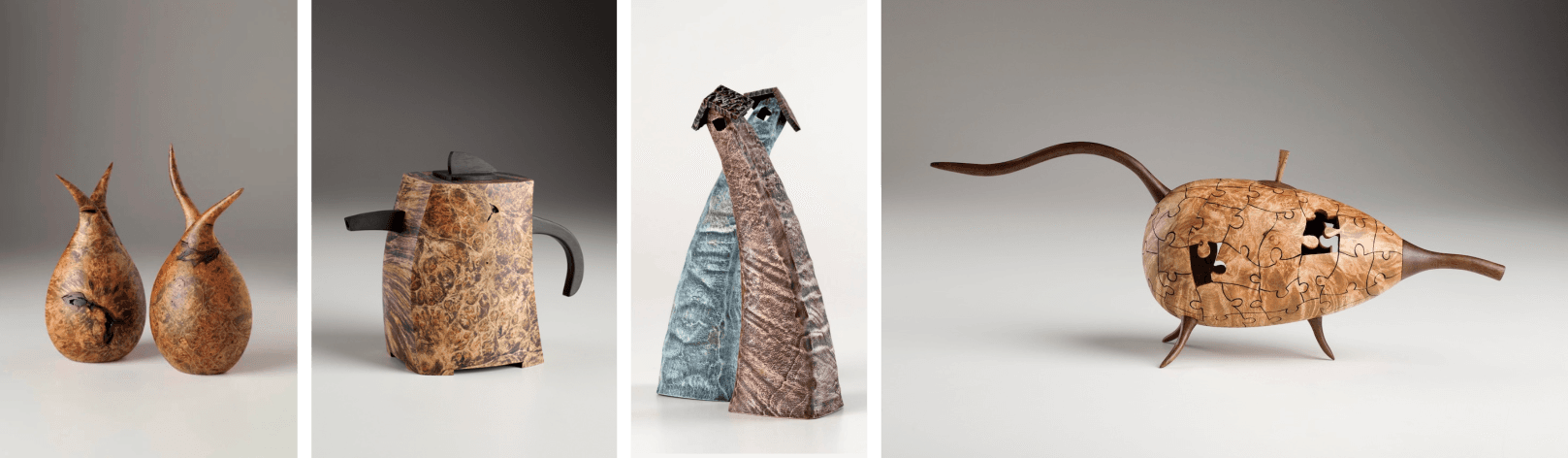
Art Liestman brought the more experimental edge of the weekend. Based in Coquitlam, British Columbia, he is known as a wood artist who has taught at John C. Campbell Folk School, Arrowmont School of Arts and Crafts, and École Escoulen, credentials that signal a teacher comfortable moving between classroom structure and studio exploration.
His TurnFest session focused on therming and lost wood processes. That points to work that is less about a standard bowl profile and more about process-driven making, where form can evolve through cutting, rejoining, and selective removal. For turners who already know how to rough out a blank, the appeal is obvious: this is the kind of demo that opens up new sculptural directions and shows how far woodturning can be pushed before it stops looking conventional.
Valley Woodturners also offered one of the weekend’s hands-on workshops with Liestman, which extended the value well beyond watching a demonstrator from the audience. That makes sense for a topic like this, where the jump from idea to executed piece often depends on seeing how the process behaves under actual tool pressure.
Dale Larson: the bowl-turning fundamentals that still matter
Dale Larson’s program anchored the weekend in the core skills many turners keep coming back to. He has been turning wood for around 40 years and specializes in bowls from Pacific madrone and big leaf maple, which tells you a lot about where his eye is focused: grain, movement, and the character that comes from working local hardwoods well.
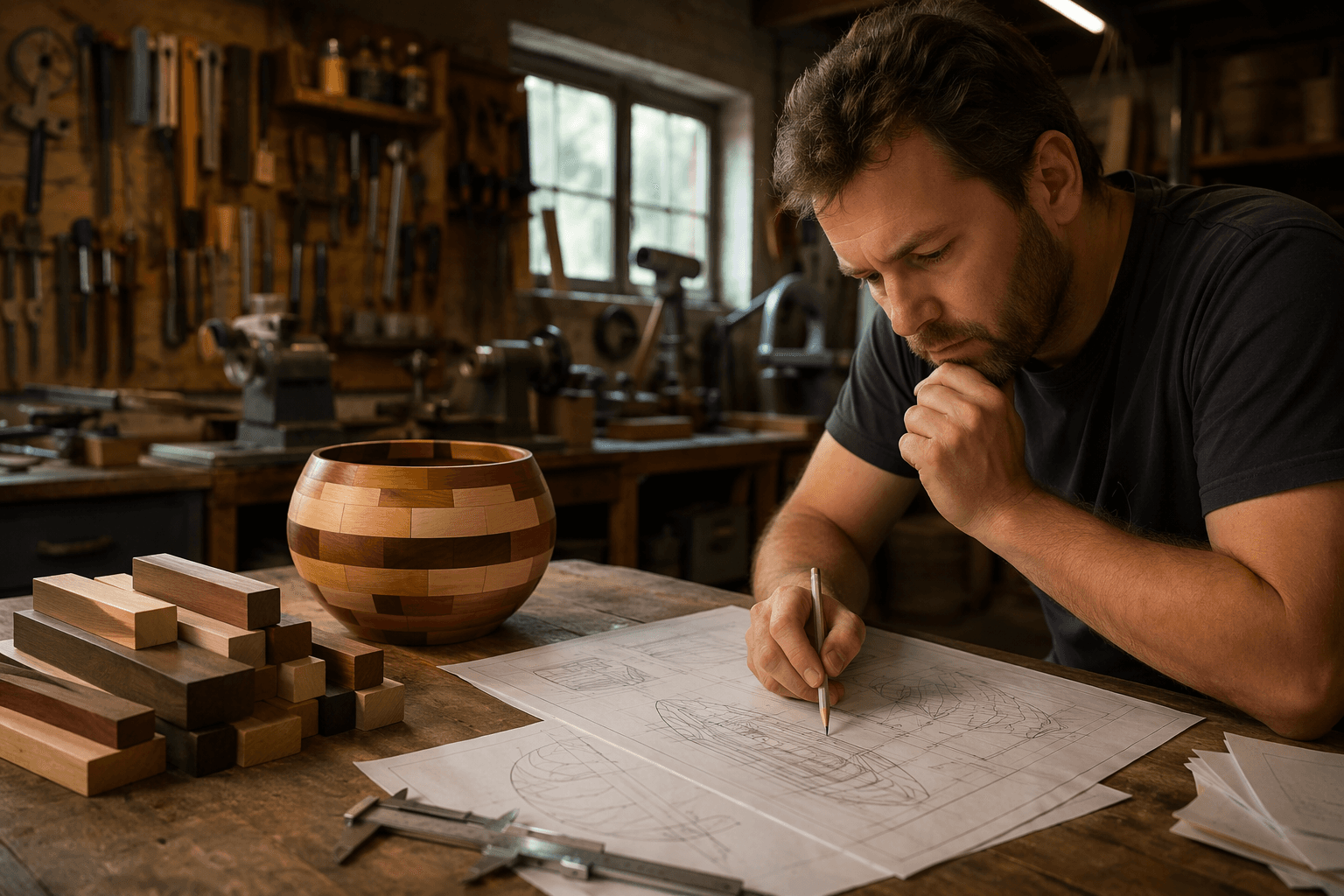
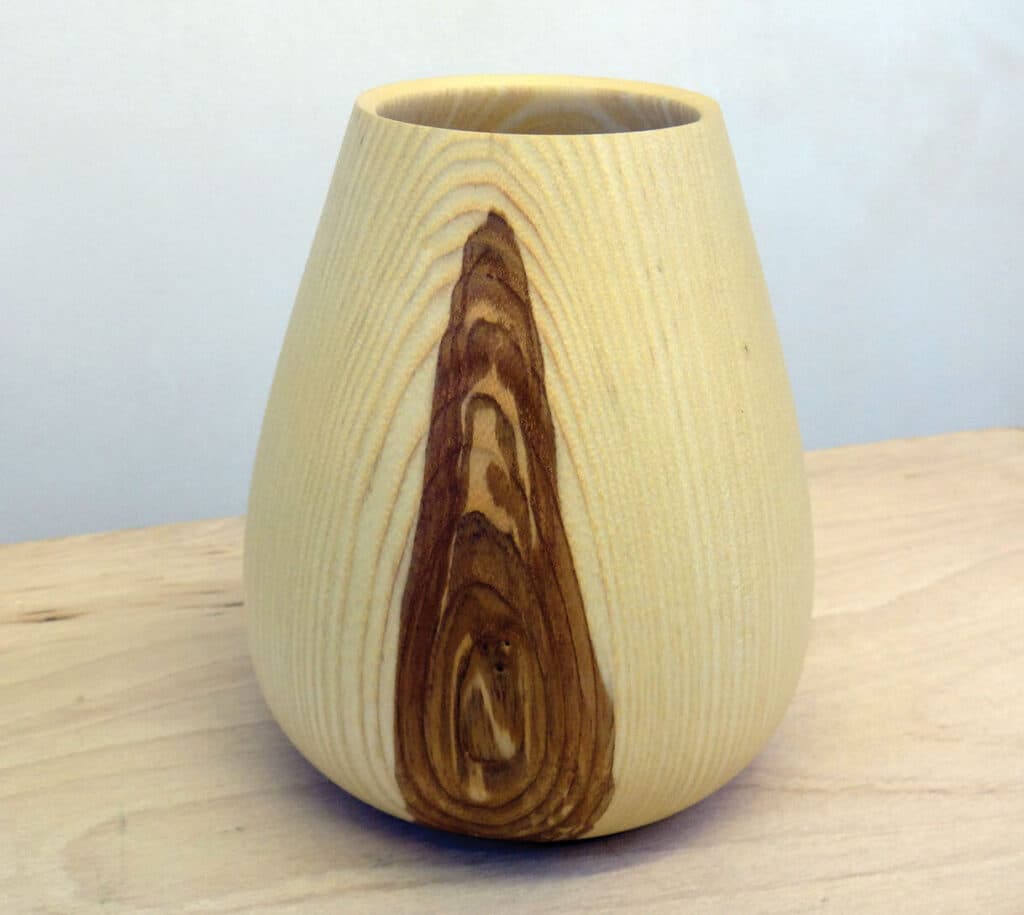
His demo was built around the full path from log to finished bowl. He planned to show how to cut a log to get the best grain patterns and figure, how to season and dry wood, and then how to turn a madrone salad bowl. That sequence is especially useful because it connects the stages many turners treat separately. The log choice affects the figure, the drying affects whether the piece survives, and the turning choices determine whether the finished bowl keeps the wood’s best qualities visible.
The club also noted that the bowl would be drawn as a door prize, which gave the technical session a community feel. It turned a straight demo into something that still had a tangible payoff for someone in the room, whether they were studying the process or hoping to take home the finished piece.
Elizabeth Weber: texture, carving, and finish with intention
Elizabeth Weber rounded out the weekend with the sort of surface vocabulary many turners want more of but do not always get in a typical club demo. Based in Seattle, she serves as president of the Seattle Woodturners and was the 2023 American Association of Woodturners Professional Outreach Program Artist Showcase recipient, both of which underscore her standing in the wider turning community.
Her portion covered texture, carving, storyboards, layout methods, different work-holding approaches, and surface finishing. The organizer also said she would discuss adding color with milk paint and acrylics, along with ways to bring out the natural beauty of the wood through texture and tool work. That combination is especially useful for turners who feel stuck between clean vessel forms and a more expressive finish language. Weber’s material gives you both the planning side, such as layout and workholding, and the final visual layer, where texture and color either support the form or overwhelm it.
Valley Woodturners also scheduled a separate hands-on workshop with Weber, which fits the kind of material she was bringing. Texture and finishing are things many turners understand best when they can test them on their own work rather than simply watch them happen.
Why Ottawa made sense as a destination weekend
The timing helped. Ottawa TurnFest was placed immediately after the Canadian Tulip Festival, which ran May 8 to 18, 2026. Ottawa Tourism describes that festival as the largest of its kind and says it features more than one million tulips, so the TurnFest weekend sat neatly inside a strong spring travel window.
That matters for traveling hobbyists and club members deciding where to spend a weekend. A symposium becomes easier to justify when it is tied to a city already drawing seasonal visitors, and Ottawa’s spring tulip season gave the event an added destination feel. The result was a woodturning weekend that could compete with the many other things demanding a hobbyist’s time in late spring.
More than a standalone event
TurnFest also fit into the larger Valley Woodturners ecosystem. The club uses its site to promote awards and competitions such as the Marian McGee Award, Turner of the Year, and Turning of the Year, which shows that education and recognition are linked in the club’s culture. That makes a weekend like this more than a one-off attraction, because it feeds the same local network that keeps members learning, showing work, and pushing each other.
Ottawa TurnFest 2026 was worth notice because it gave turners a complete weekend package: Liestman for experimentation, Larson for bowl fundamentals, and Weber for texture and finish. Put together, that lineup answered the questions that matter most at the lathe, how to shape, how to dry, and how to finish, all in one Ottawa weekend.
This article was produced by Prism’s automated news system from verified source data, official records, and press releases, then run through automated quality and moderation checks before publishing. The system is built and supervised by the people who set the standards it runs under. Read our full AI policy.
Did this article answer your question?