Piedmont Triad Woodturners blend local demos with symposium push
Robert Love’s textured-bowl demo and PTWA2026 discount code turn one chapter newsletter into a bridge from Greensboro meetings to Raleigh’s biggest symposium.
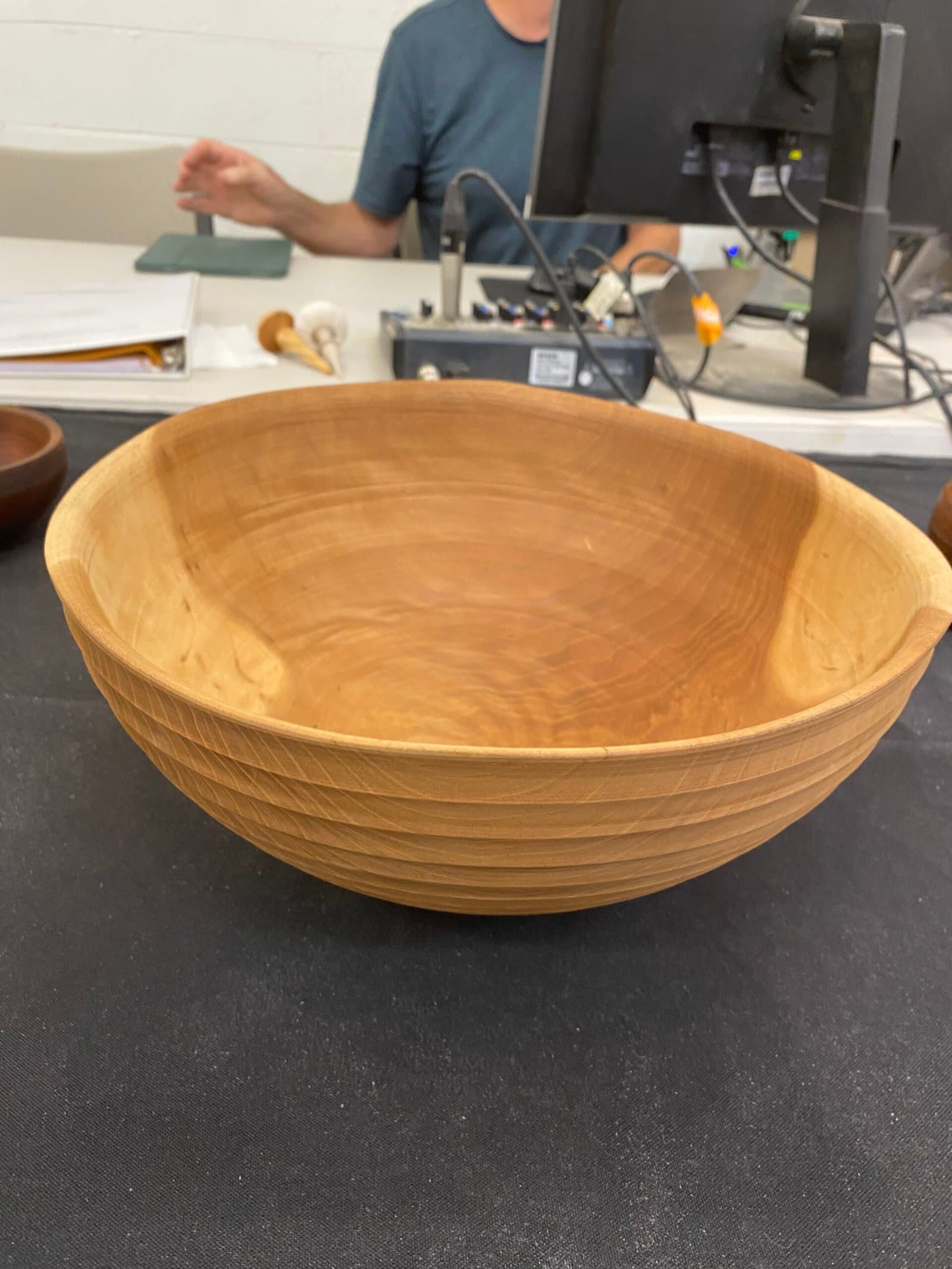
Robert Love’s June 9 demo gives Piedmont Triad Woodturners a strong local anchor, while the chapter’s newsletter keeps one eye on Raleigh’s larger symposium scene. That combination makes the club’s June communication feel less like a calendar and more like a map for staying active in the woodturning community.
A newsletter that functions like a gateway
Piedmont Triad Woodturners Association is using its June 2026 newsletter to do two jobs at once: keep members engaged at the club level and steer them toward the broader American Association of Woodturners symposium. The chapter meets the second Tuesday of each month in Greensboro, North Carolina, and says its membership includes turners from throughout north central North Carolina, so the newsletter has to serve both local regulars and members who are willing to travel for a bigger event.
That makes the publication especially useful. Instead of treating club education, member participation, and symposium planning as separate tracks, PTWA folds them together. The result is a steady drumbeat of reasons to show up, whether the draw is a monthly demo, a raffle, the instant gallery, a challenge piece, or a trip to Raleigh for the AAW’s marquee gathering.
Robert Love brings the June meeting into focus
The clearest local hook is June 9, 2026, when Robert Love is scheduled as guest demonstrator from New York. The June event page gives the topic as “Texturing and Embellishing Bowls,” while the newsletter describes it as a bowl with a textured and embellished band. Either way, the emphasis is on surface treatment and presentation, not just basic shaping, which is exactly the sort of subject that tends to pull a crowd in a club setting.

That kind of demo gives members something concrete to watch for at the lathe. A named demonstrator, a specific object, and a visible finishing approach make the session easy to picture before anyone walks into the room. PTWA’s choice here also fits the pattern that keeps meetings lively: the club is not just filling a slot, it is offering a session with a clear payoff for anyone interested in adding texture, embellishment, and visual complexity to bowls.
The May demo shows the club’s range
The June newsletter does not stand alone. It also looks back to Andy Gunning’s May demonstration on turning a platter with a multi-axis base, which shows that PTWA is keeping the club program varied enough to cover both form and technique. A platter demo with a multi-axis base speaks directly to turners who want to push past standard spindle and bowl work and experiment with more advanced geometry.
That variety matters because it keeps the club rhythm from flattening out. Alongside the demos, PTWA keeps raffle participation, the instant gallery, and challenge-style involvement in play, so members have more than one way to take part. The newsletter’s value is that it stitches those pieces together, making it easier for a member to move from watching a demonstration to showing work, entering a challenge, or simply staying plugged into the club conversation.
The AAW symposium push widens the horizon
The larger push in the April and May newsletters is the American Association of Woodturners International Symposium in Raleigh. PTWA’s April newsletter says the symposium is scheduled for June 4-7, 2026, and that AAW members can use the code PTWA2026 for a registration discount. That is a practical detail with real weight, because it turns the newsletter into a planning tool rather than a passive announcement.
The AAW describes the 2026 International Woodturning Symposium as the biggest woodturning event in the world. It says the event will run June 4-7, 2026, at the Raleigh Convention Center in Raleigh, North Carolina, and will be available both in-person and virtual. The program is broad: nearly 100 tradeshow vendors, over 85 demos and panels, community-building activities, and more than 1,000 pieces of artwork in the instant gallery.
For members deciding how to spend their time and money, those details matter. The virtual symposium livestream runs June 5-7, 2026, and includes 20 demo recordings available on demand, which gives the event extra reach beyond the convention center floor. PTWA’s discount code helps connect that national-scale offer back to the chapter level, so the newsletter becomes the bridge between a Greensboro meeting night and a major Raleigh gathering.
Why the chapter’s structure makes the message work
PTWA’s positioning helps explain why this blend is effective. The club says it is an official chapter of the American Association of Woodturners and a participating club in the North Carolina Woodturning Symposium, which places it squarely inside the larger organizational network. That affiliation gives the symposium push more credibility, while the monthly newsletter keeps the local program from feeling isolated from the rest of the woodturning calendar.
The chapter also says it publishes monthly newsletters for 2026, which reinforces the sense that this is not a one-off campaign. It is an ongoing communications strategy: use local demos to keep the club energized, use member activities to keep people involved between meetings, and use symposium information to show members where the next rung on the ladder sits. In a hobby built on shared technique and shared inspiration, that mix does more than fill a page. It gives members a reason to stay connected, from a textured bowl demo in June to a much larger audience in Raleigh just days earlier.
This article was produced by Prism’s automated news system from verified source data, official records, and press releases, then run through automated quality and moderation checks before publishing. The system is built and supervised by the people who set the standards it runs under. Read our full AI policy.
Did this article answer your question?