RTÉ spotlights County Mayo woodturners preserving ancient craft
RTÉ’s Nationwide puts Mayo woodturning in the frame, showing how Craobh Eo Woodturners and Willie Creighton are keeping a 1,500-year-old craft in daily use.
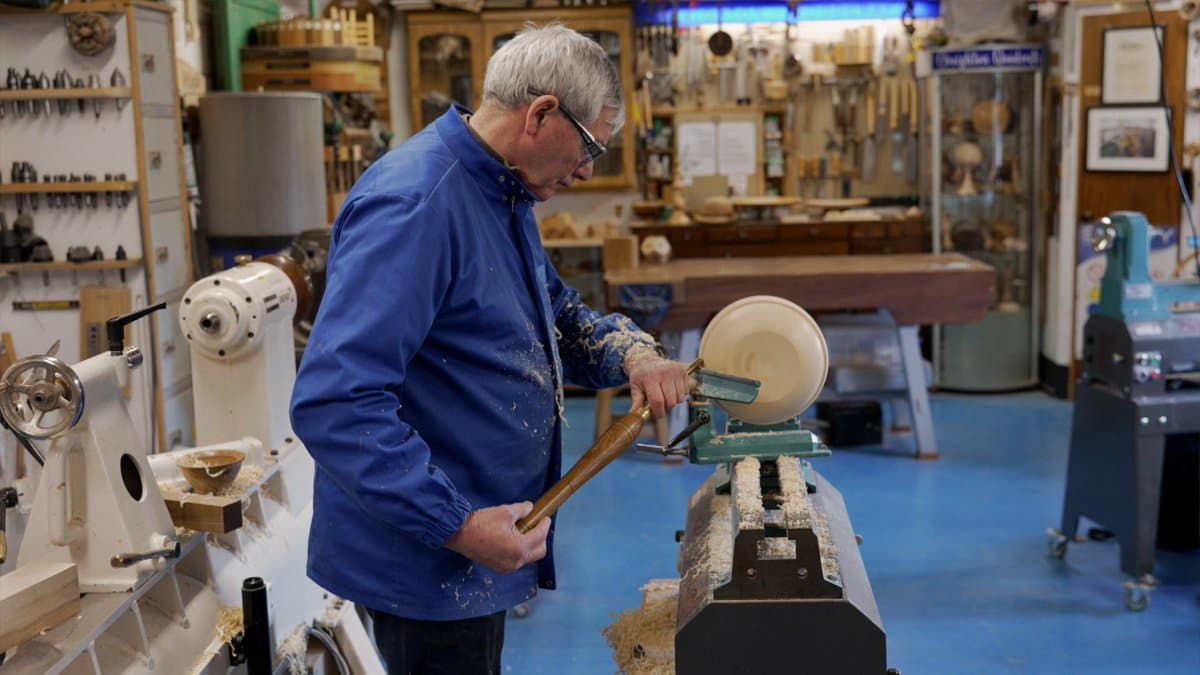
RTÉ’s Nationwide gives County Mayo woodturning the kind of visibility traditional crafts rarely get, and that is exactly the point. The segment folds the craft into a wider look at enduring skills, with beekeeping alongside it, and places Craobh Eo Woodturners at the center of the story. For woodturners, the appeal is not nostalgia alone. It is seeing how a local chapter, a working shop, and public-service television can keep a heritage practice active, visible, and relevant.
A Mayo chapter with deep roots
Craobh Eo Woodturners is the Mayo chapter of the Irish Woodturners’ Guild, established in 2004 and based in Aghamore, Co Mayo. That gives the segment a strong local anchor, because it is not treating woodturning as a museum piece or a one-off demonstration. It is showing an organized group with continuity, membership, and a base in the county.
The chapter was founded by Willie Creighton, who runs William Creighton Carpentry and Woodturning in Ballyhaunis and Aghamore, Co Mayo. Local coverage has described him as helping keep an ancient 1,500-year-old craft alive, and that phrasing fits the tone of the RTÉ piece: this is about transmission, not just display. The story lands because the craft is being carried by people who still work wood every day, not by preservation talk alone.
What Nationwide is showing and where to watch it
Nationwide is presented by Anne Cassin and Bláthnaid Ní Chofaigh and airs on Mondays, Wednesdays and Fridays at 7pm. The programme information describes it as an eclectic round-up of news, views and events from around the country, which suits a feature like this: the Mayo woodturning story sits naturally beside other regional craft and community coverage.
The episode is also available on RTÉ Player, where the series can be watched on demand for free. That matters for a niche craft audience, because it means the segment is not locked to a broadcast slot. If you want to catch the turning work, the community context, and the way the craft is framed against other living traditions, the player gives you a direct route in.
Why this craft still belongs in the conversation
Woodturning sits squarely inside Ireland’s wider furniture-making and woodworking traditions. The National Museum of Ireland includes wood turning in that heritage picture, which helps explain why a television piece about a Mayo chapter feels larger than one workshop or one county. It is part of the same chain of skills that links material, hand, and form across generations.
The Heritage Council’s warning that many traditional skills are in danger of being lost gives the story urgency. That warning is not abstract when you look at a group like Craobh Eo Woodturners, because community chapters are one of the most practical ways a craft survives. They keep the tools in use, the vocabulary alive, and the knowledge moving from one turner to the next.

The wider guild behind the local story
The Irish Woodturners’ Guild was founded in 1983 and says it now has more than 500 active members across 18 chapters on the island of Ireland. That scale matters. It shows that the Mayo chapter is part of a substantial network, not a solitary outpost, and it helps explain how the craft continues to circulate ideas, standards, and encouragement between regions.
For readers inside the turning world, that guild structure is the quiet strength behind the RTÉ segment. A chapter like Craobh Eo does more than gather people around lathes. It plugs Mayo into a national and island-wide craft community with enough reach to keep the tradition visible, organized, and socially durable.
A local network, not a lone workshop
The Mayo story also hints at the spread of the craft across the county. Michael Maye, a woodturner based in Swinford, is a member of the Irish Woodturners’ Guild and also part of Craobh Eo Woodturners. That detail matters because it shows the chapter is not just one founder’s identity preserved in time. It is a living network with more than one active turner shaping its future.
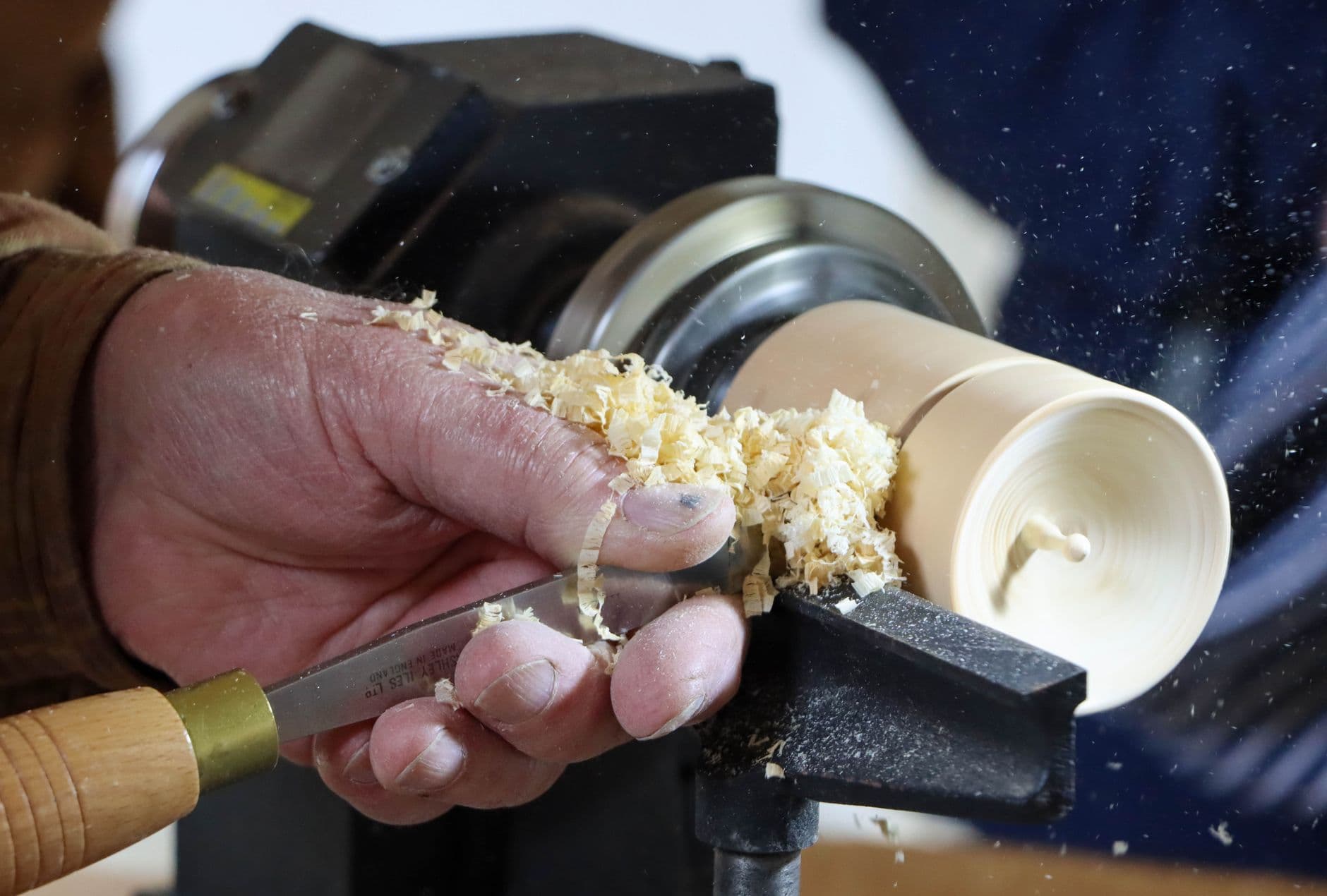
That is where the RTÉ feature becomes more than a heritage item. It captures the human continuity behind the work: a founder in Willie Creighton, a local chapter in Aghamore, a county connection stretching through people like Michael Maye, and a national guild that has been building community since 1983. For anyone who turns wood, or simply wants to understand why the craft still resonates, the value is in seeing those links clearly.
Why the segment is worth your time
What makes the Mayo piece stand out is the balance between place and practice. It is rooted in County Mayo, but it speaks to the broader question of how turning traditions survive in a modern craft landscape. The answer in this case is straightforward: people keep gathering, keep turning, and keep putting the work in front of an audience that can still learn from it.
That is why the RTÉ segment deserves attention from woodturners. It shows an ancient craft not as a relic, but as something passed hand to hand in a working county workshop, supported by a guild, and carried onto screen by Nationwide. In Mayo, the lathe is doing what it has always done: connecting the past to the present, one turning at a time.
This article was produced by Prism’s automated news system from verified source data, official records, and press releases, then run through automated quality and moderation checks before publishing. The system is built and supervised by the people who set the standards it runs under. Read our full AI policy.
Did this article answer your question?