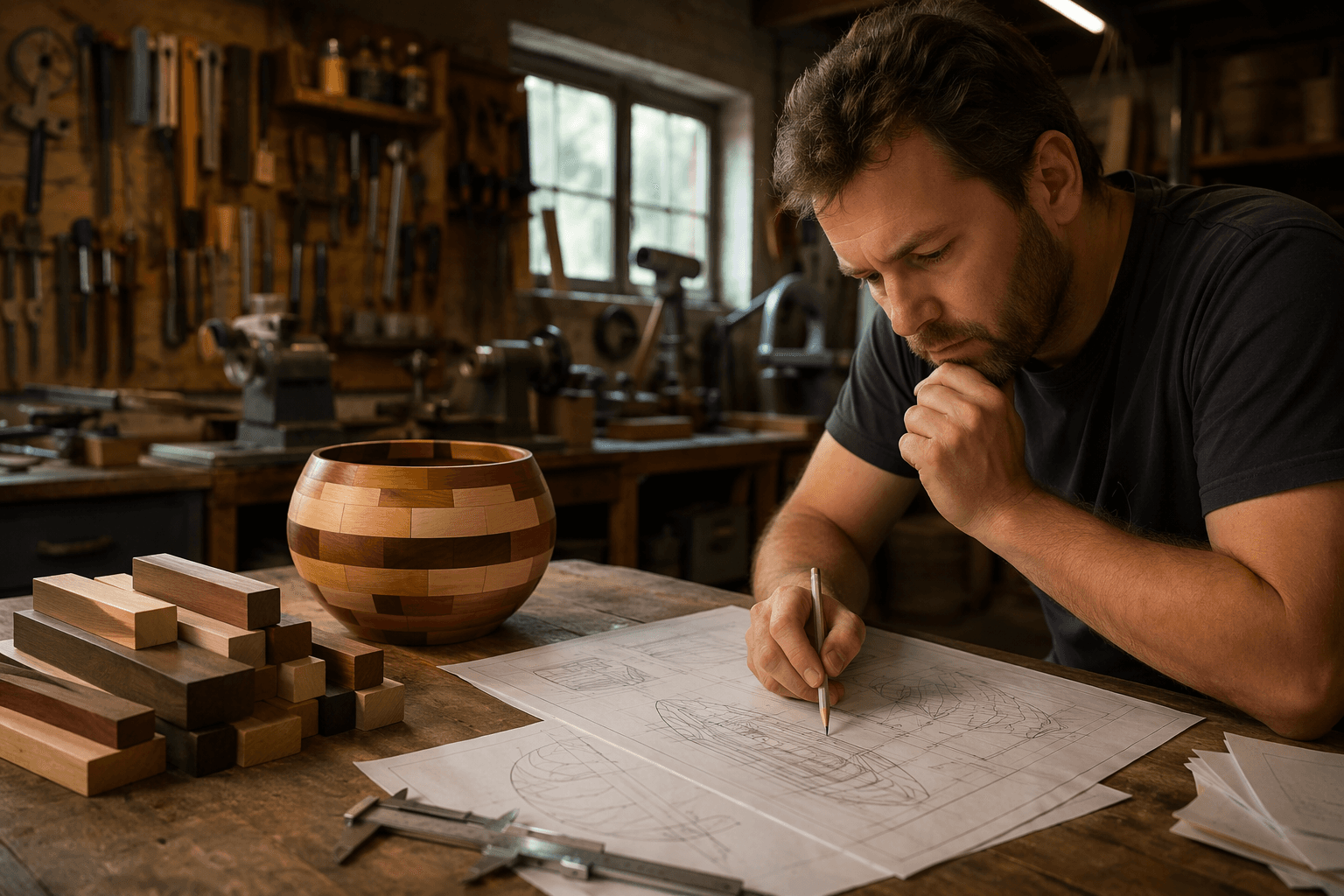
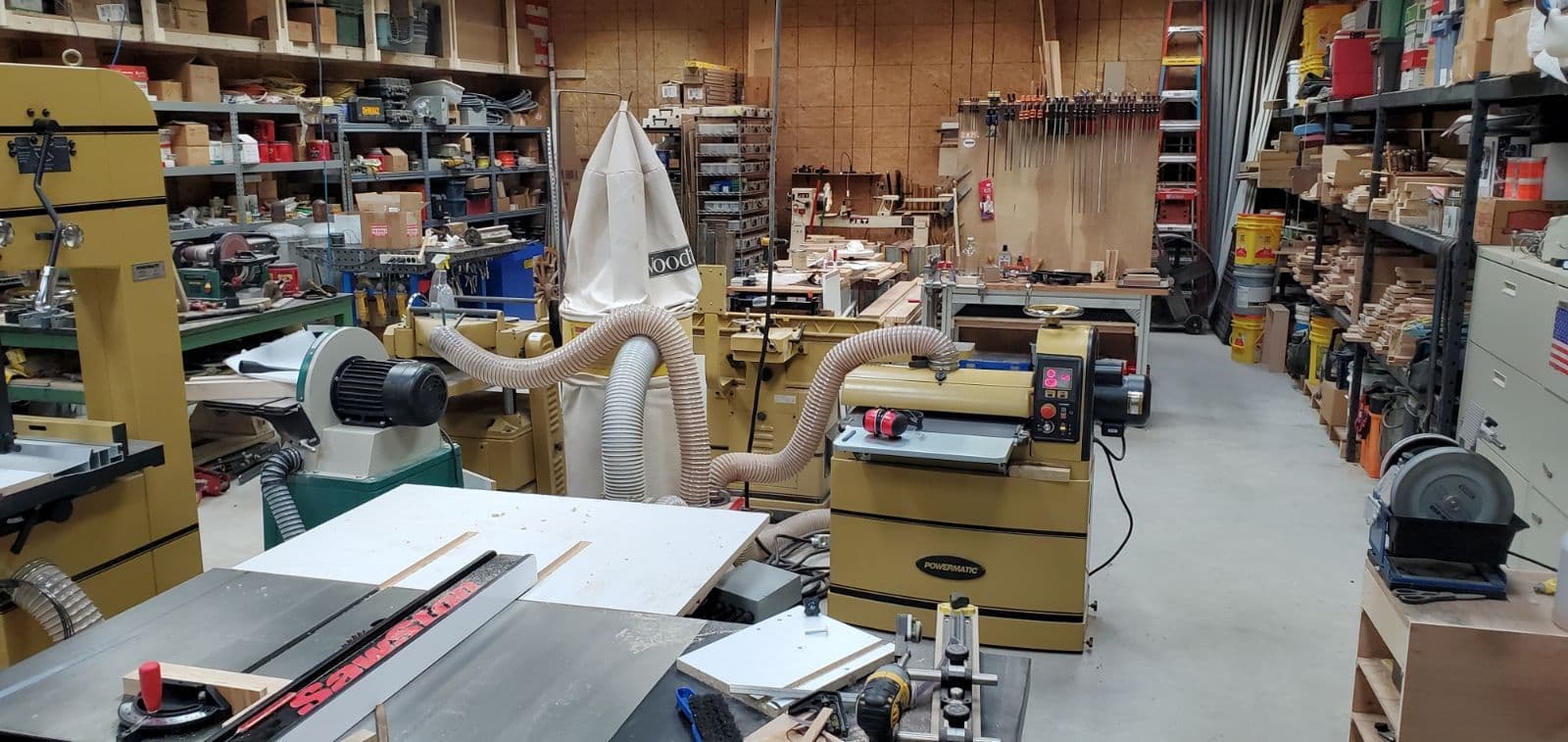
Seattle Woodturners spin tops into a skill-building turning challenge
A spinning top turns into a serious turning test in Seattle, where Joe Cornell's demo links fast satisfaction with spindle control, balance, and clean geometry.

A deceptively simple project with real shop value
A spinning top can look like the smallest thing in the shop, until it exposes every hesitation in your spindle work. Seattle Woodturners is leaning into that lesson with Zen and the Art of Top Making with Joe Cornell at VFW Redmond at 6:00 PM on Thursday, May 14, and the club’s framing makes the appeal clear: this is a fast project with real turning payoff.
The club is treating the top as more than a novelty. For newer turners, it is a low-risk way to practice beads, coves, and tool control without committing a lot of material. For more experienced hands, it becomes a tighter exercise in physics, friction reduction, and balance, which is exactly why a small object can still feel demanding on the lathe.
Why tops work as a turning challenge
The beauty of a well-made top is that it rewards precision in a way that is easy to see instantly. Seattle Woodturners describes it as useful for learning how a long-lasting spin comes out of careful geometry, and that matters because it translates directly to spindle turning discipline. A clean profile, a centered blank, and a surface that sheds friction all show up in the spin time, so the result tells you what your hands actually did.
That makes the project especially useful as a bridge between craft and play. The club notes that a finished top can become an executive desktop fidget or a child-friendly object that makes people smile, and that gives the demo immediate real-world relevance. It is the sort of project that feels giftable, approachable, and worth repeating, not just once but every time a turner wants to sharpen the basics.
A second path in through the sawdust
Seattle Woodturners has also used tops as a teaching vehicle in a separate Beginner Top Turning sawdust session on Sunday, March 22, 2026, from 9:00 AM to 1:00 PM. That session focused on fundamental spindle turning for making tops for the Bellevue Arts Fair, which shows how adaptable the project can be inside a club program.
The beginner session was built around core tools and core moves. It centered on spindle roughing gouges, spindle gouges, parting tools, and skews, and participants were told they could bring dry 2x2 domestic hardwood blanks, 3.5 inches long. That is a practical shop detail worth noticing, because it keeps the project accessible while still pushing the turner to work accurately on a small piece of stock.
Taken together, the two sessions show a clear teaching strategy. The March sawdust class gave members a structured entry point into top turning, while the Joe Cornell demo placed the same project in a broader instructional frame, where the top becomes a benchmark for how well a turner manages form, balance, and finish.
Why Joe Cornell fits the assignment
Cornell is a good match for that kind of project because his background spans both foundational and expressive work. Seattle Woodturners has described him as a woodturner for more than 30 years, with early woodworking interests centered on making and carving small wooden boxes. His studio work also moves into pierced and embellished woodturning, which suggests he brings both technical discipline and design sensitivity to the lathe.
That range matters for a demo like this. A top demands plain, honest spindle fundamentals, but it also rewards an eye for proportion and surface treatment, and Cornell’s background fits both sides of the assignment. The club has also used him for a March 2024 sawdust session on beginning bowls, another sign that he has been part of Seattle Woodturners’ teaching mix for foundational skills as well as more specialized work.
A club built to keep projects moving
The top demo also sits inside a club that has the structure to make these ideas stick. Seattle Woodturners says it has more than 200 members, has served the greater Seattle area since 1987, and operates as a local chapter of the American Association of Woodturners. It is also all-volunteer and self-funding, which helps explain why the program can mix public-facing demos with hands-on classes that move members from curiosity to practice.
Just as important, the club says members do not have to be members to attend meetings, which broadens the reach of a session like this. A project as compact as a spinning top works well in that setting because it lowers the barrier to entry while still giving regulars something worth showing up for. It is easy to understand, but not easy to master, which is exactly the sweet spot many clubs try to hit.
The wider woodturning network is already on this track
Seattle’s emphasis on tops also lines up with the broader learning culture in woodturning. The American Association of Woodturners says it has more than 365 worldwide chapters, and its Woodturning Fundamentals publication is built around projects, tips, videos, and other material that supports foundational skills. That kind of resource reinforces the same idea Seattle Woodturners is using here: simple projects can carry serious instruction.
The association has also shown ongoing interest in tops, including a free article titled Next Level Spin Tops published in November 2023. That makes the Seattle demo feel less like an isolated club topic and more like part of a familiar teaching thread across the wider community. When a small object keeps showing up in both club calendars and learning resources, it is usually because it does real work for turners at multiple stages.
Seattle Woodturners has found the right kind of project for drawing people in and pushing them forward. A top looks quick, but it exposes control, balance, and finish in a way few small turnings do, which is why Joe Cornell’s demo lands as more than a novelty. It is a compact challenge with enough depth to keep both new and seasoned turners coming back to the lathe.
This article was produced by Prism’s automated news system from verified source data, official records, and press releases, then run through automated quality and moderation checks before publishing. The system is built and supervised by the people who set the standards it runs under. Read our full AI policy.
Did this article answer your question?