Tony Turns Wood Shows How to Carve Feet on Bowls
Tony Turns Wood’s latest bowl demo lands on the detail that changes everything: carve the foot right, and a round-bottom piece finally sits with purpose.
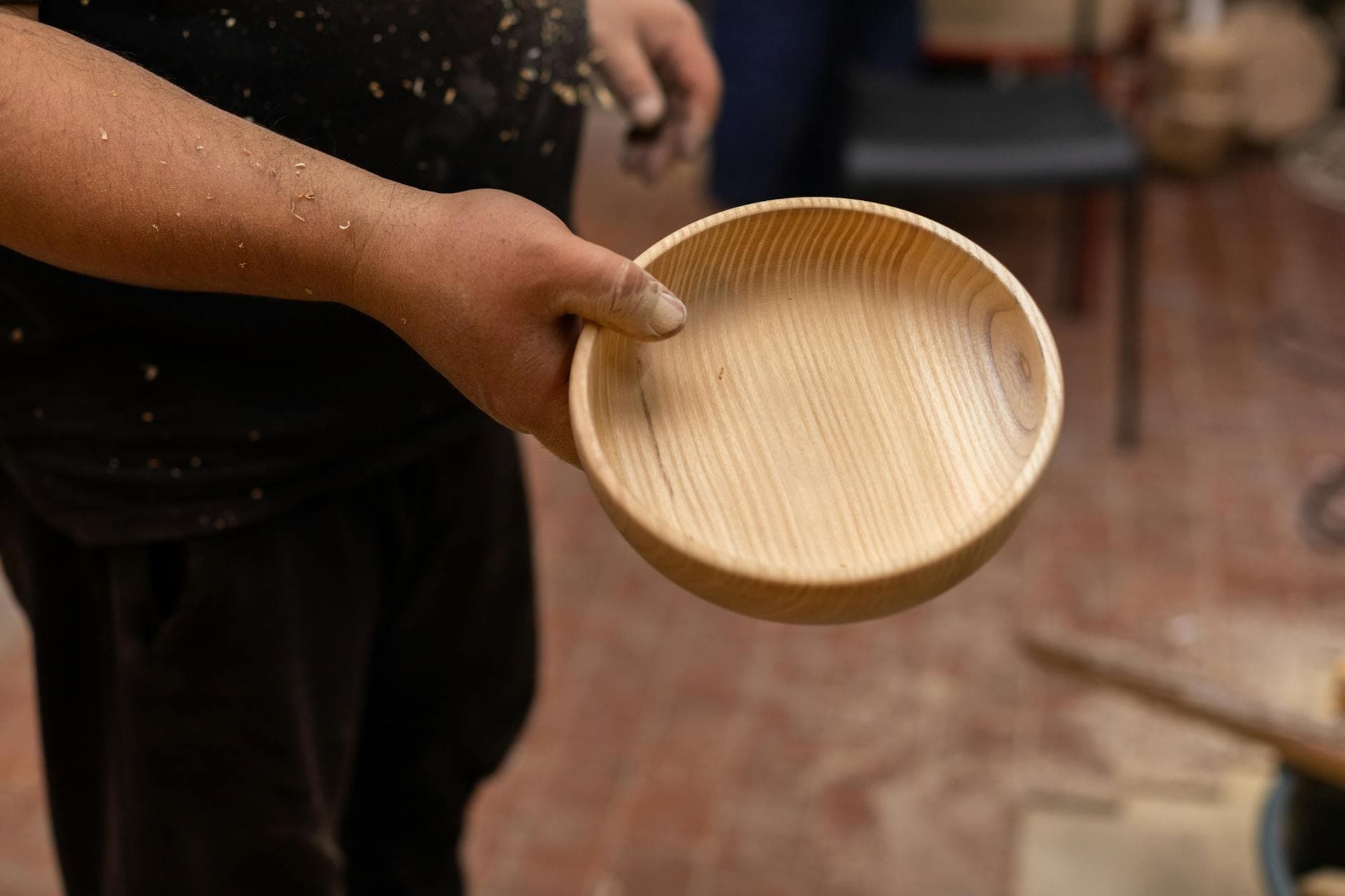
A round-bottom bowl is only half-finished until the foot is right. Tony Turns Wood’s new video, *How I Carve Feet on a Round Bottom Bowl*, gets that immediately, and it does so with a method he says he developed for a “round bottom suspended look.”
Why the foot matters
The real lesson in a carved foot is not decoration, it is decision-making. A round-bottom bowl can be elegant on the lathe, but once it comes off, the underside still has to answer two questions: does it sit securely, and does it look like the shape was intended from the start? Tony’s approach shows why that final move matters so much. The foot gives the bowl a stable stance, but it also creates a shadow line and a visual break that lifts the piece off the surface instead of leaving it looking unfinished.
That balance is the heart of good bowl design. Woodturning guidance on feet has long come back to the same point: the base has to support the piece without stealing the whole show. If the footprint is too wide, the foot starts to dominate the bowl. If it is too small or too vague, the form can feel tentative, almost as if the maker stopped before the design was resolved. The best feet do both jobs at once, holding the bowl steady while preserving the line from rim to center.
Tony’s method and why it fits his channel
Tony’s channel is built around thoughtful, practical instruction, and this project fits it neatly. His channel page describes him as a woodturner with more than 30 years of experience, and the library behind it is substantial, with about 5.13K subscribers and 648 videos. That matters because this is not a one-off trick shot. It is part of a body of work that treats turning as process, craft, and form-making, not just a series of cuts.
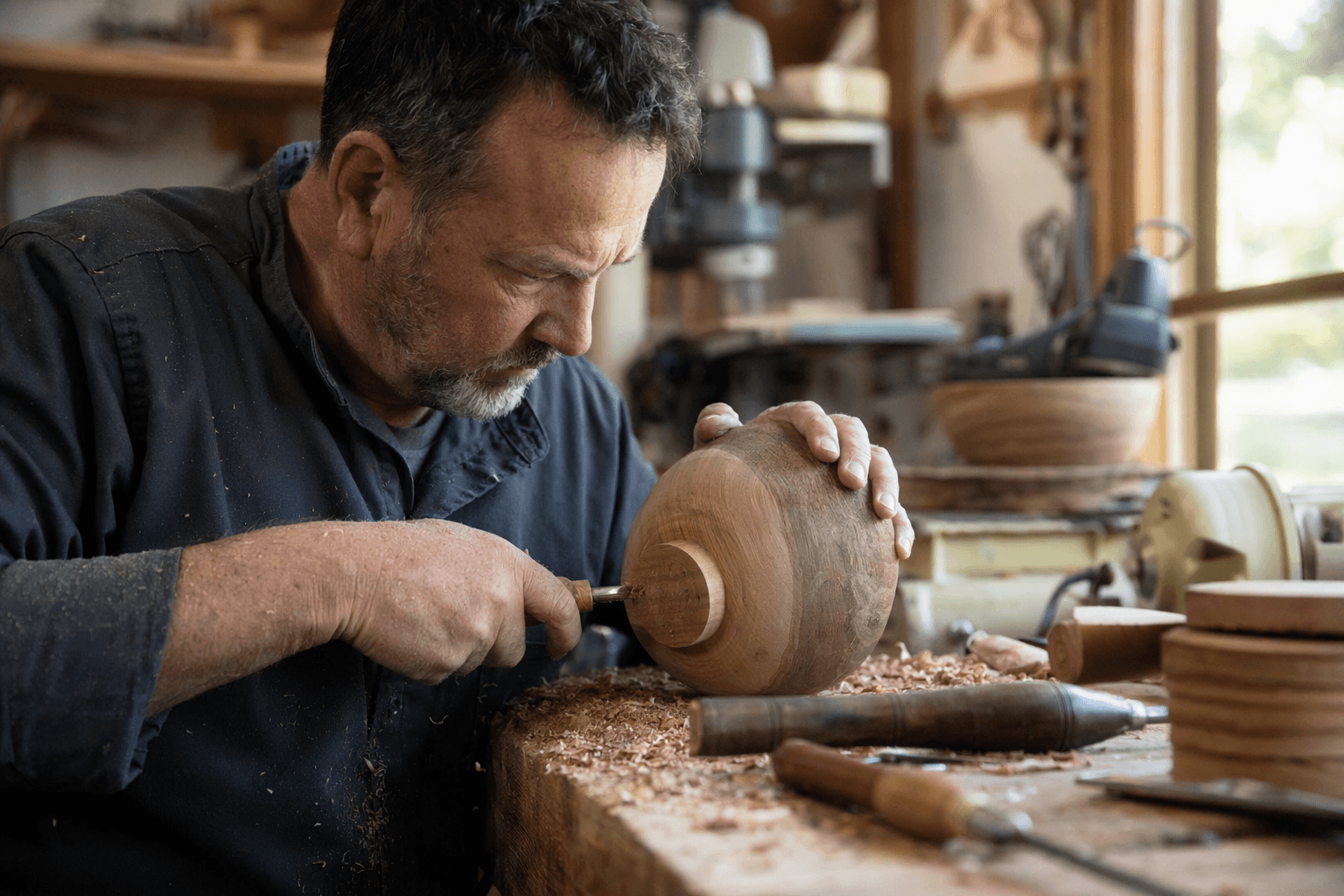
The video itself is a hybrid of turning and carving. The bowl has already been shaped, but the underside still needs to be finished in a way that makes the object feel complete. That is the clever part. Carving the feet after the main turning is done shifts the work from pure geometry into visual judgment, and that is where a lot of bowls either come together or fall apart. Tony’s method is aimed at a suspended look, which means the feet are not just support points. They are part of the composition.
For anyone who has ever finished a bowl, stood back, and felt that the base looked too blunt or too anonymous, this is a useful reminder. The last stage is not cleanup. It is design.
What to watch when you carve feet
The practical payoff is easy to see once you think in terms of stance and silhouette. A round-bottom bowl without feet can read as soft and graceful, but it can also feel like it wants help staying put. Carved feet solve that by giving the form enough stance to sit confidently, while still leaving the underside light and intentional.
- Keep the stance wide enough for stability, but not so wide that the foot becomes the main event.
- Let the bowl’s curve stay visible from rim to center, because that line is what gives the shape its life.
- Use the foot to create a clear shadow line, since that separation makes the bowl read as lifted rather than stranded.
- Treat the underside as part of the form, not as the place where the design stops.
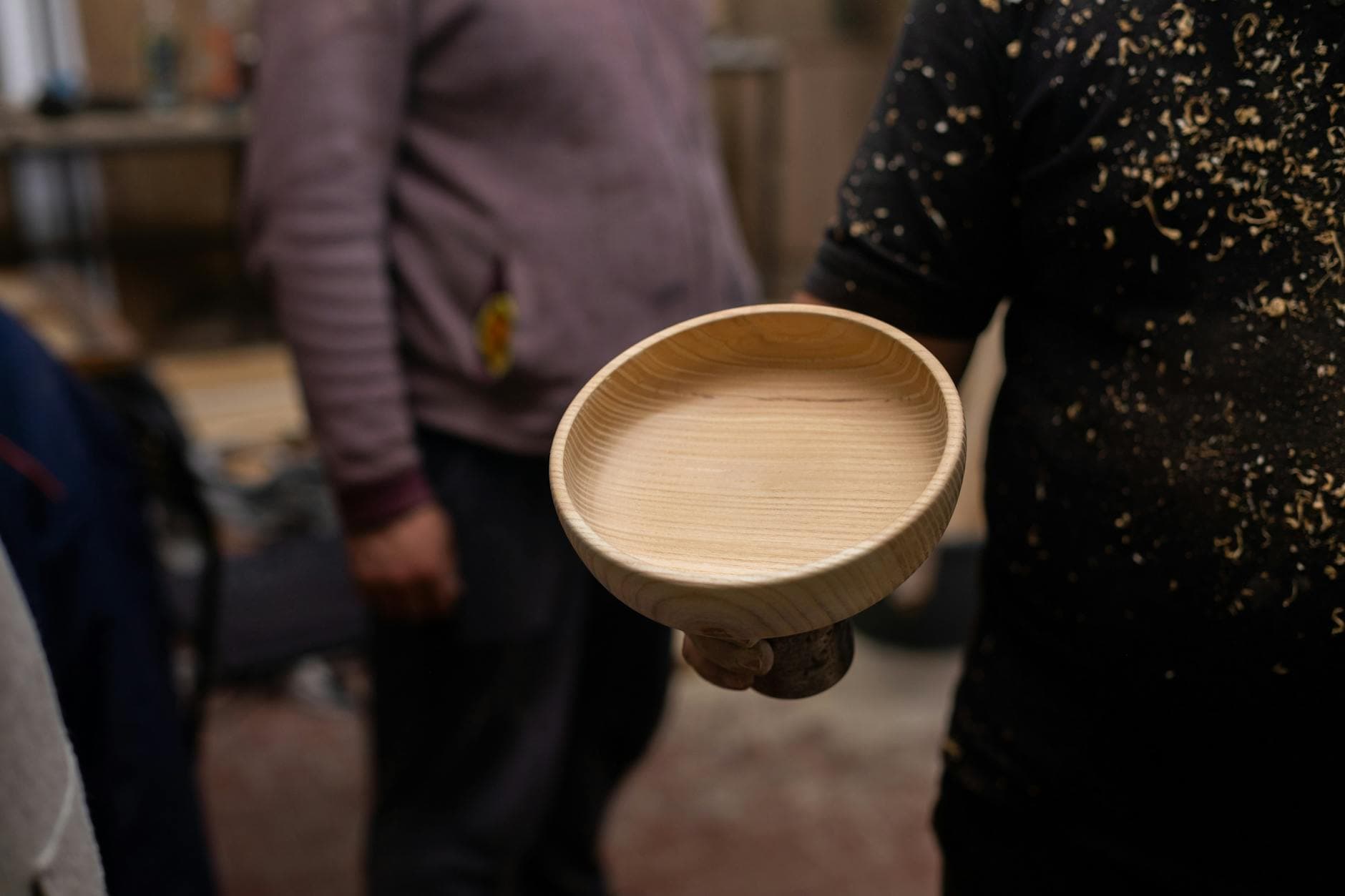
That is why Tony’s focus on a suspended look is more interesting than a simple how-to. A foot can be functional and still feel refined. It can make a bowl sit better on a shelf, look better from above, and feel more deliberate in a gallery or on a table. When the underside is solved well, the whole piece suddenly feels finished in a way that sanding alone can never achieve.
The wider woodturning conversation
Tony’s video also sits in a long-running discussion that the woodturning world knows well. The American Association of Woodturners describes itself as a large repository of woodturning material, with more than 360 chapters worldwide, and that scale reflects how central design questions like this really are. Bowl feet are not a niche side issue. They are one of those details that keep coming up because they sit at the intersection of structure, proportion, and visual balance.
Richard Raffan has been part of that conversation for decades. He has been known internationally since the mid-1970s and, from 1985 onward, through books, videos, magazine articles, demonstrations, and workshops. His writing on bowls matters here because he has long treated bowl form as something that changes as the wood changes. He has noted that bowls turned green distort as they dry, and his own “Tripod Bowls” use three stubby feet. They may wobble slightly, but they still sit firmly. That idea lines up neatly with Tony’s video: a foot is not just a decorative afterthought, it is part of how a bowl lives in the real world.
Raffan’s *The Art of Turned Bowls* is an updated version of his 1987 design book, and that continuity says a lot. Bowl design has never been only about the cleanest cut or the smoothest curve. It has always been about the base, the stance, and the way a form meets the surface beneath it. Even coverage in *Fine Woodworking* on bowl turning basics has repeatedly circled back to that same design problem: make the bowl sit, but do not let the foot overpower the bowl’s line.
Tony’s latest video lands exactly where it should. It shows that the final 10 percent of a bowl is often the part that decides whether the piece feels merely turned or genuinely composed. Carve the foot well, and the bowl stops looking like an object that was made. It starts looking like one that was finished on purpose.
This article was produced by Prism’s automated news system from verified source data, official records, and press releases, then run through automated quality and moderation checks before publishing. The system is built and supervised by the people who set the standards it runs under. Read our full AI policy.
Did this article answer your question?