Trackside Studios spotlights woodturning and mosaic from reclaimed materials
Trackside Studios shows how woodturning and mosaic both turn salvage into finish, texture, and structure. Anne Henschel and Linda Girardi make the case for treating flaws as the point.

At Trackside Studios, a cracked plate and a rough log are not detours, they are invitations. In Asheville’s River Arts District, two makers under one roof are showing how reclaimed material can become the most expressive part of the work. Anne Henschel’s turned wood and Linda Girardi’s mosaics meet in the same conversation about salvage, surface, and the beauty of what most people would throw away.
A working studio built for seeing the process
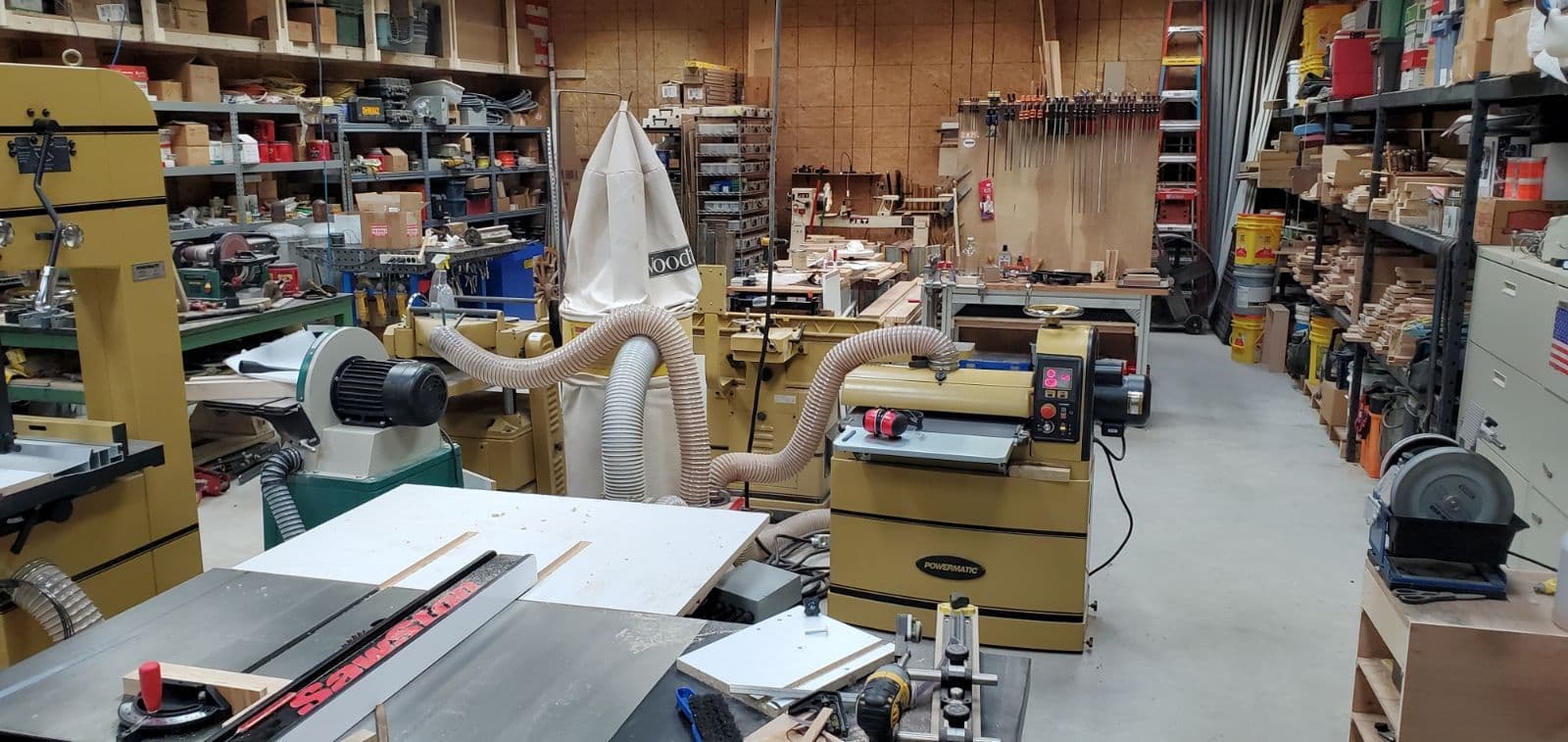
Trackside Studios sits at 375 Depot Street in Buncombe County, inside a building that the Blue Ridge National Heritage Area dates to 1904. The space is more than a gallery stop, because Trackside says it hosts more than 50 local artists and operates as a working studio, gallery, and teaching space. It is open daily from 10:30 a.m. to 5:30 p.m., which makes it as much a learning stop as a viewing stop for anyone tracing how finished craft objects come into being.
That structure matters for woodturners. A studio that mixes display, making, and instruction creates the kind of cross-pollination that can sharpen a maker’s eye. You are not just looking at polished bowls or finished mosaics; you are watching how a maker decides what to keep, what to cut away, and what imperfections to elevate.
Anne Henschel and the turn from function to expression
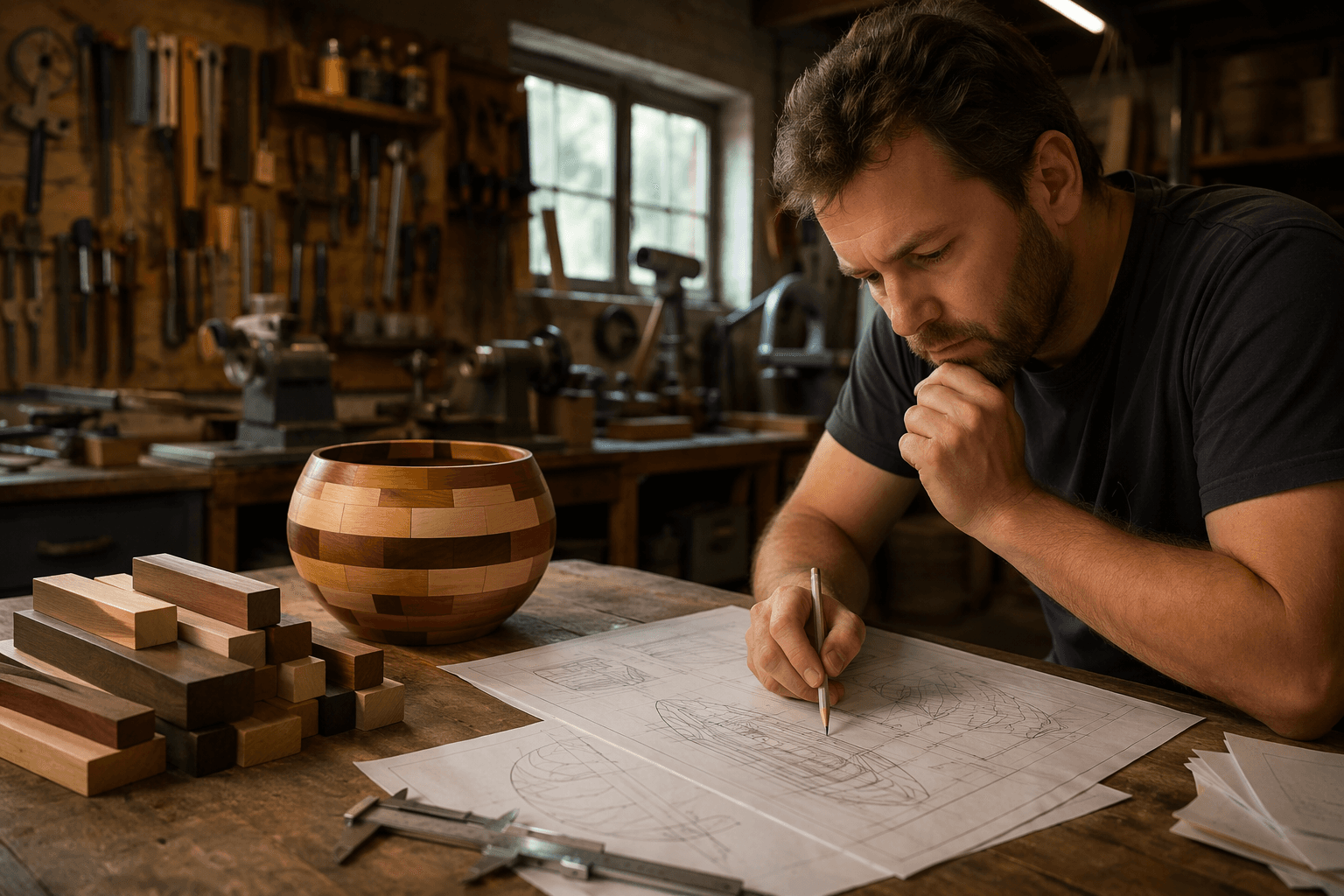
Henschel’s path begins with the classic turner’s moment: picking up a log, meeting it with a sharp tool, and realizing the material has a voice. Her early work focused on familiar functional forms, bowls, hollow vessels, and boxes. Over time, though, the work has moved toward more abstract pieces that embrace asymmetry, texture, natural defects, and unusual shapes.
That shift is familiar to many turners who start at the lathe with utility in mind and then find themselves chasing form, line, and surface. Henschel’s artist listing broadens that trajectory further, describing work in local and international woods and naming bowls, platters, boxes, vases, sculptures, and even “weird things.” The phrase is useful because it points to a truth many shops eventually discover: the category that begins as waste or oddity can become the most interesting object on the bench.
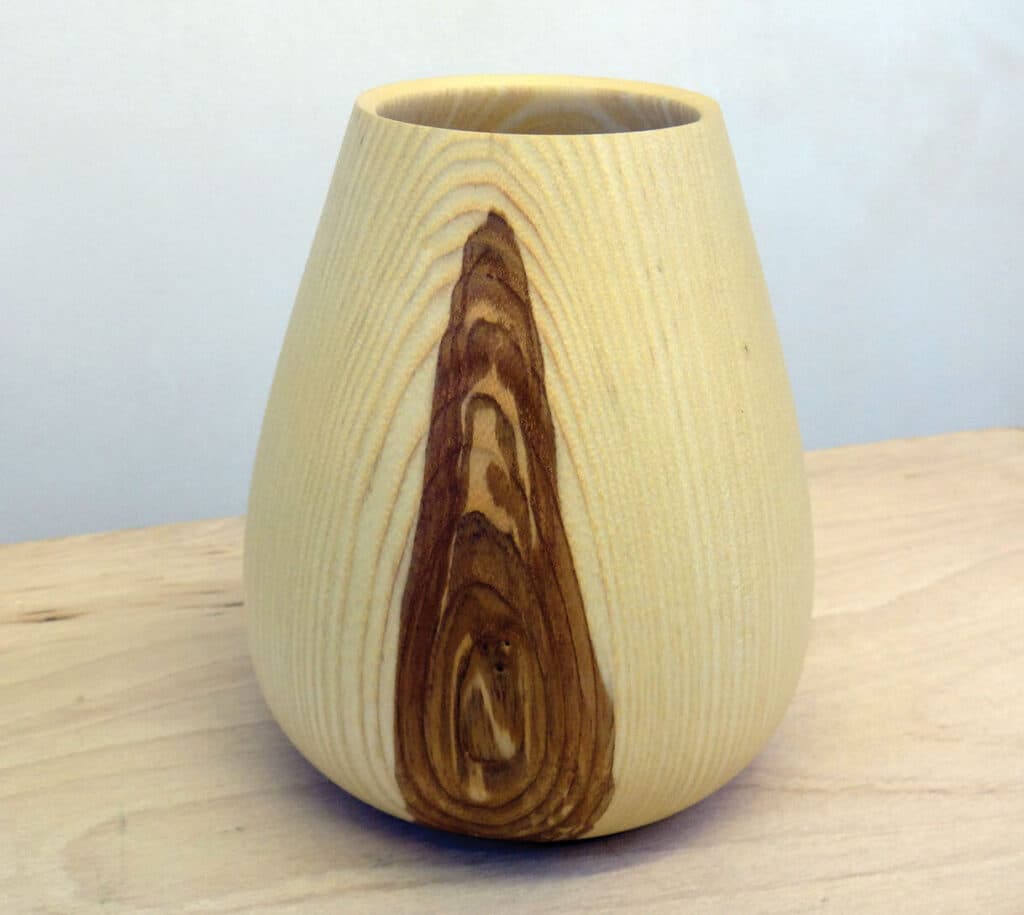
For your own work, Henschel’s approach is a reminder that defects do not always need to be hidden. A knot, a bark inclusion, a void, a change in grain, or an off-center wall can become the defining feature if the overall form is allowed to support it. The piece stops pretending the material was perfect and starts showing why it is alive.
Linda Girardi and the mosaic made from loss
Girardi’s entry point is different, but the lesson is the same. After breaking a treasured plate, she turned the fragments into mosaic instead of discarding them, and the practice developed into work inspired by quilt blocks, jewelry, and tiny Roman-style micro-mosaics. That move from accident to art is one of the clearest examples in the story of how salvage can become a design language.
Trackside says Girardi has been teaching mosaics and mosaic jewelry making in Asheville for the last two years. Her class listings describe hands-on jewelry sessions in which participants make two pieces of mini-mosaic jewelry using ceramic and glass tiles, charms, stones, and other materials. No prior glass experience is needed, which lowers the barrier for people who are curious about the medium but have never worked with it before.
For turners, Girardi’s work offers a useful parallel. Mosaic depends on breaking material down into small components and rebuilding it into a deliberate whole, much like segmenting, resawing, or combining found stock in the lathe shop. The eye is trained to read color breaks, edge tension, and the space between pieces. In woodturning terms, it is a lesson in how to let contrast do some of the composition for you.

What salvaged materials teach woodturners
The strongest overlap between Henschel and Girardi is not just that both use reclaimed or repurposed material. It is that both treat material history as part of the finished piece. One works with wood that already carries grain, checks, and density changes; the other works with porcelain, glass, and tiny elements that still show their former lives even after they are reassembled.
That translates into a few practical takeaways at the lathe:
- Start by asking what the material already wants to do. A log with movement or a cracked blank may point you toward an asymmetrical bowl, an off-balance form, or a hollow vessel with a dramatic opening.
- Treat surface as structure. Henschel’s move toward texture and natural defects shows how sanding and finish are only part of the story; tool marks, rough areas, and interrupted forms can carry the piece.
- Look for contrast instead of concealment. Girardi’s use of ceramic and glass tiles, charms, and stones turns broken bits into a visible design system. In woodturning, that same logic can justify contrasting woods, inlays, bark, or hollowed voids.
- Let the salvage remain legible. The point is not to erase where the material came from, but to make its past part of the object’s character.
A studio story about resilience as much as craft
Girardi’s own studio site adds another layer to the story. It says Hurricane Helene destroyed her previous gallery at Foundation Studios in September 2024, and that she has since rebuilt her practice and opened a new gallery space at Trackside Studios. That kind of rebuilding gives the work extra weight, especially in a district where working artists depend on shared space, steady teaching, and foot traffic from visitors who want to see how pieces are made.
Seen together, Henschel and Girardi make a strong case for craft that does not run from imperfection. A cracked log, a broken plate, a rough edge, or an unexpected void can be the beginning of the piece instead of the problem to solve. At Trackside Studios, that is not just a philosophy, it is the visual language hanging on the walls and sitting in the cases every day.
This article was produced by Prism’s automated news system from verified source data, official records, and press releases, then run through automated quality and moderation checks before publishing. The system is built and supervised by the people who set the standards it runs under. Read our full AI policy.
Did this article answer your question?