Turners seek simple gauges to measure gouge bevel angles
A simple gauge can stop bevel creep, but the real win is repeatability. Turners are comparing commercial tools, grinder settings, and homemade references to keep gouges predictable.
Choose your method before you buy
The quickest way into this bevel discussion is to decide what problem you are trying to solve at the grinder. If you want a number you can trust right away, a commercial gauge makes sense. If your sharpening jig already returns to the same setting every time, the gauge may be more of a calibration tool than a daily habit. And if you mainly want to return one gouge to a known grind, a homemade reference can be enough as long as it is repeatable.
That is the practical tension running through the American Association of Woodturners thread on bevels. The poster was not asking for theory. They wanted a good gauge for gouges, had seen the Tim Yoder version, and noted that shipping would not be available until August. That is the kind of shop-floor friction turners recognize immediately: the gouge is in hand, the grinder is ready, and the missing piece is a simple way to verify the grind.
Commercial gauge: when you want a number now
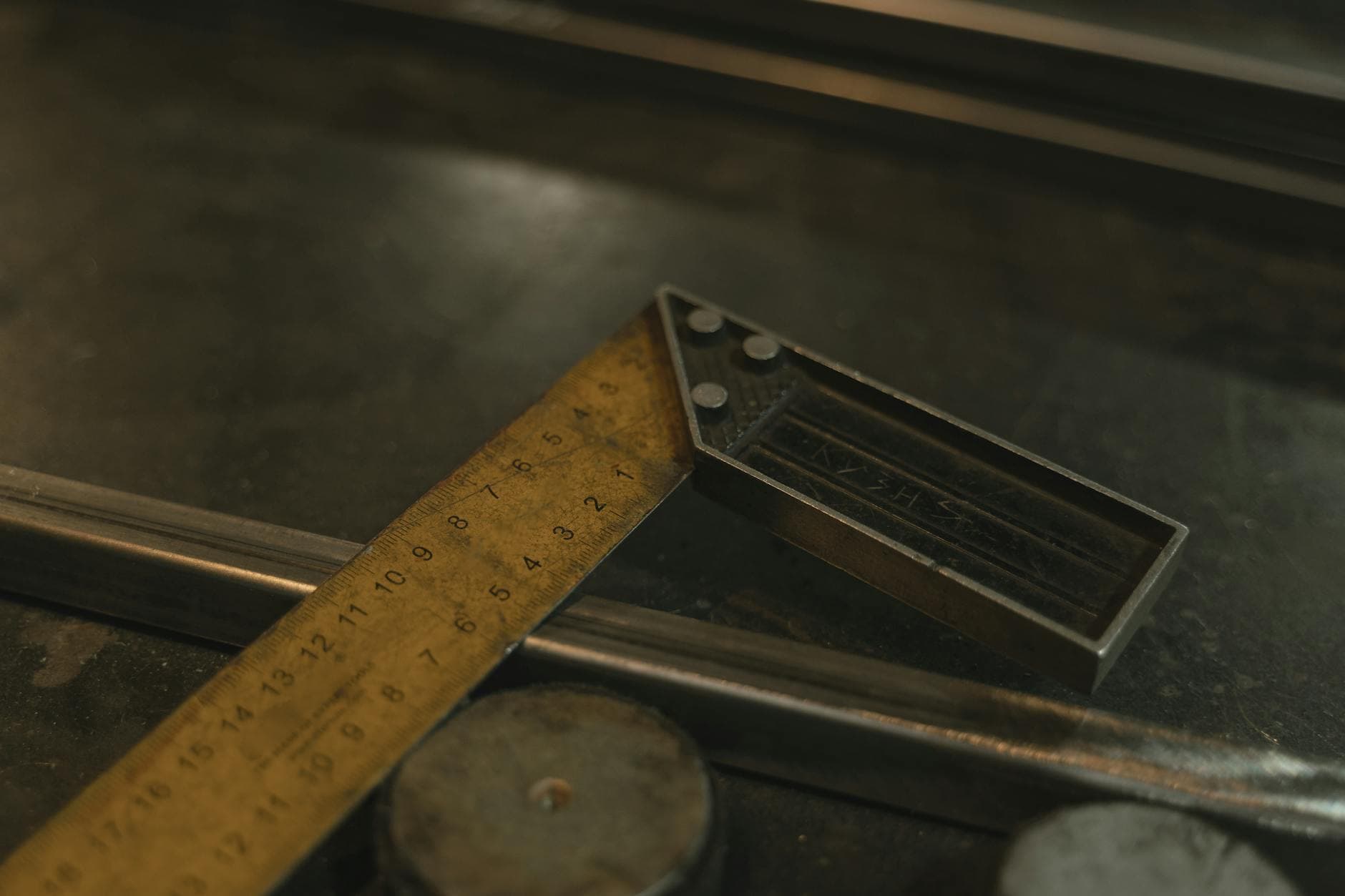
Tim Yoder’s Woodturner’s Angle Gauge is the most concrete commercial answer in the notes. It is listed at $25, and both Packard Woodworks and First Tool Supply carry it. The gauge is described as covering 10 common bevel angles in a compact form, which matters because turners do not all grind to one sacred degree.
The listed angles give a clear picture of the range it is meant to cover:
- Bowl gouge: 45, 55, and 60 degrees
- Spindle gouge: 35, 40, and 45 degrees
- Roughing gouge: 35, 40, and 45 degrees
- Scraper: 75 degrees
- Scraper relief: 15 degrees
- Parting tool and skew: 25, 35, and 45 degrees
That spread tells you what the tool is really for. It is not trying to impose one perfect profile on every gouge. It is trying to give you a fast, readable reference for the bevels woodturners actually use.

Yoder’s description says he designed the gauge after more than twenty years of dealing with bevel creep, and the promotional language frames it as a way to keep your grinds exactly where you want them. The product pages also say it is made from extra-thick stainless steel, that the edge of the tool never touches the gauge, and that it is made in the USA. Those details matter in a shop because they signal a tool built to be handled often, not just admired on a bench.
Jig setting: when the grinder is already your measuring system
For many turners, the most useful number is the one that keeps a sharpening jig honest. If your grinder setup already repeats well, a gauge is most valuable when you are setting the grind in the first place, then checking it occasionally to make sure nothing has drifted. That is especially helpful when you are trying to standardize a bowl gouge, compare two tools, or duplicate a shape you already know works.
This is where exact angle measurement can genuinely improve sharpening. When you are chasing a specific cutting feel, such as a gouge that rides the bevel predictably on bowls or one that behaves the same way from session to session, a measured setup removes guesswork. The bevel number becomes less about obsession and more about getting back to the same starting point after each touch-up.
Homemade reference: when consistency matters more than the display
A homemade reference can do the job if it gives you the same answer every time. Turners often arrive at that solution when they want something simple, cheap, and always at hand, especially for a dedicated gouge that sees the same kind of work over and over. The value is not in how polished the reference looks. The value is whether it gets you back to a known grind without having to think too hard.
That is why this kind of gauge question keeps coming up in woodturning forums. You are not just buying a measuring device. You are deciding how much of your sharpening routine needs an exact number and how much needs a reliable memory. If your tools behave the same way from one sharpening to the next, the homemade method can be plenty. If you keep swapping gouges, switching between roughing and finishing work, or trying to match a favorite profile, a commercial gauge starts to look more appealing.
Why bevel angle matters, and why it is not one fixed answer
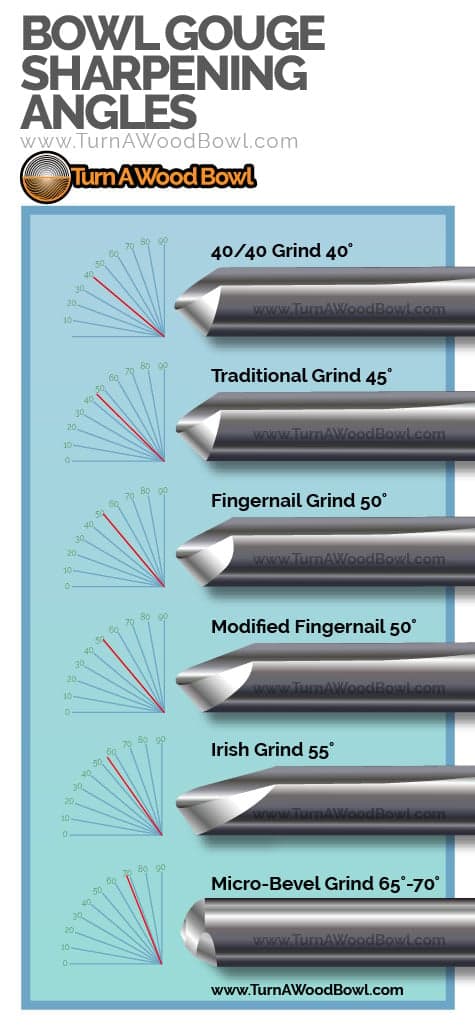
The underlying reason this thread resonates is that bevel angle affects how the tool cuts, how often it needs sharpening, and how the cut feels in your hands. A Woodworkers Institute article explains that the bevel is a plane, not a single point, which is a useful reminder when you are trying to measure something that is broader than a tiny edge. The same article says bowl gouges are often ground somewhere between 40 and 60 degrees.
The American Association of Woodturners archives show that there has never been just one accepted answer. A 2006 discussion puts spindle gouge bevels in the 30 to 45 degree range. A 2018 discussion says some turners like spindle gouges around 30 degrees and detail gouges between 40 and 60 degrees. Put that together, and the point becomes clear: the gauge is there to help you stay inside a working range that suits the task, not to force every gouge into one identical shape.
That also explains the tradeoff turners are always managing. A more acute bevel can feel sharper and more nimble, while a steeper one can bring durability and steadier support to the cut. The exact angle matters most when you are trying to duplicate behavior on purpose. Once the cut feels right and the tool tracks the way you expect, consistency matters more than whether the number is a degree or two off.
The shop-floor lesson behind the thread
This is what makes the AAW post so useful. It sits in the middle of ordinary turning life, alongside the usual stream of questions about drying wood, painting bowls, and specialized tools. The poster is not chasing a collector’s gadget. They are trying to solve a real problem that turns up every time a gouge leaves the grinder and goes back to the lathe.
If August is too far away, the broader answer is already on the bench. A commercial gauge gives you a fast reference, a jig setting gives you repeatability, and a homemade template gives you a simple control point. The number itself matters most when you need to standardize a grind or copy a known shape. The rest of the time, the real goal is not a perfect reading, but a bevel that behaves the same way every time you put steel to wood.
This article was produced by Prism’s automated news system from verified source data, official records, and press releases, then run through automated quality and moderation checks before publishing. The system is built and supervised by the people who set the standards it runs under. Read our full AI policy.
Did this article answer your question?