Turning punky spalted beech into a striking vase
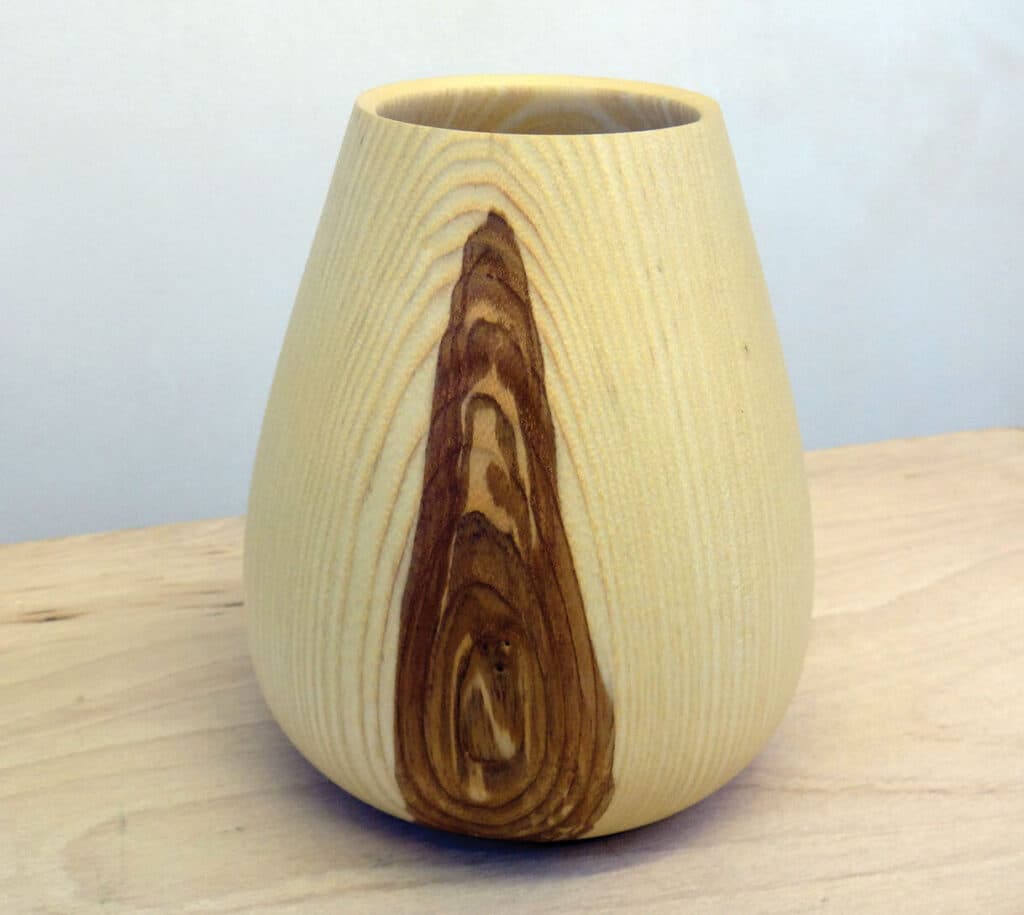
A punky spalted beech log becomes the star of a vase when the turner treats decay lines as design, not damage, and stabilizes the fragile zones first.

A punky spalted beech log asks for a different kind of confidence at the lathe. Instead of hiding the decay, the turner lets the dark lines, color shifts, and soft sections lead the design, turning a compromised blank into a vase that feels intentional from the first cut.
Why spalting changes the whole project
Spalting is coloration in wood caused by fungus, and that is exactly what makes the blank so tempting at first glance. The patterns can appear as pigmentation, white rot, and zone lines, which give beech the kind of movement that plain stock can never fake. The catch is that the same fungal activity that creates the drama also leaves parts of the wood fragile, so every decision on the lathe becomes a balance between preserving the figure and keeping the piece together.
Zone lines come from white-rot decay fungi and are often found in hardwoods such as maple, birch, and beech. Beech is one of the woods where spalting can look especially vivid while still demanding careful handling. The appeal is real, but so is the risk of collapse if the soft sections are treated like sound timber.
Reading the blank before it reaches the chuck
Before the motor comes on, inspect the blank for cracks, loose bark, punky zones, and grain defects. That matters with spalted beech because the dangerous-looking parts are often the same parts that carry the best visual payoff. A turner who reads the blank well can decide where to leave thickness, where to avoid aggressive cuts, and where the vessel needs extra support.
Why a vase is the right form
A vase or vessel gives the maker a vertical canvas, which is ideal when the figure is doing most of the visual work. Tall and narrow profiles let spalting read like a map across the surface, so the dark zone lines and color shifts can move naturally from foot to rim. A rounded bowl would compress the pattern; a vessel lets it unfold.
That form also helps the turner make the transitions between firm wood and punkier areas look deliberate. When the wall thickness is handled carefully, the viewer sees contour and texture first, not patchwork repair.
Imperfect logs often offer more surprise than pristine blanks. Spalted wood is in high demand in the decorative wood market and can command a high price for turnings and decorative pieces.
Stabilizing the punky sections
In the related project, the turner stabilized the punky areas and finished the piece with Danish oil. Another version of the description lists sanding sealer and CA glue where the wood had gone soft. That combination points to the core strategy with punky spalted beech: stop the weak areas from crumbling before you ask them to hold a finish.
In practice, that means treating the fragile parts as conservation work as much as turning work. Stabilizing those zones helps preserve the edge between sound timber and decay, which is often where the piece gets its visual rhythm. If those areas are left unsupported, the blank can lose the very texture that made it worth mounting in the first place.
The cleanest results come from restraint. Heavy cuts can blow out the soft material, so the safer approach is to remove stock gradually and let the shape emerge without tearing away the spalted surface. The goal is to keep enough material for structure while leaving the fungal pattern visible enough to read from across the room.
Keeping the figure without losing the piece
The most successful spalted work is not the most aggressively carved work. It is the work where the turner knows when to stop, where to leave thickness, and how to present the tool so the surface stays intact. That is especially true when the blank shifts from firm grain to punky pockets, because the interface between the two is where blowouts tend to start.
- Leave more wall where the blank feels soft or crumbly.
- Use stabilization before final shaping if the punky areas threaten to break down.
- Let the dark lines and color changes remain visible, rather than sanding them away.
- Favor a form that shows vertical movement, like a vase, so the spalting can travel through the piece.
The finish makes the rescue believable
A finish like Danish oil is a natural fit for this sort of turning because it keeps the surface honest and lets the figure stay legible. The goal is not to bury the spalting under a heavy film, but to give the wood enough protection and depth that the contrast still reads after the piece leaves the shop. When sanding sealer or CA glue is used to firm up weak spots, the finish can help knit those repairs into the surface instead of turning them into visual interruptions.
This article was produced by Prism’s automated news system from verified source data, official records, and press releases, then run through automated quality and moderation checks before publishing. The system is built and supervised by the people who set the standards it runs under. Read our full AI policy.
Did this article answer your question?