Why carbide tools changed woodturning without replacing traditional tools
Carbide inserts removed a lot of sharpening anxiety, but they did not make gouges and skews obsolete. The right tool depends on the cut you actually need.
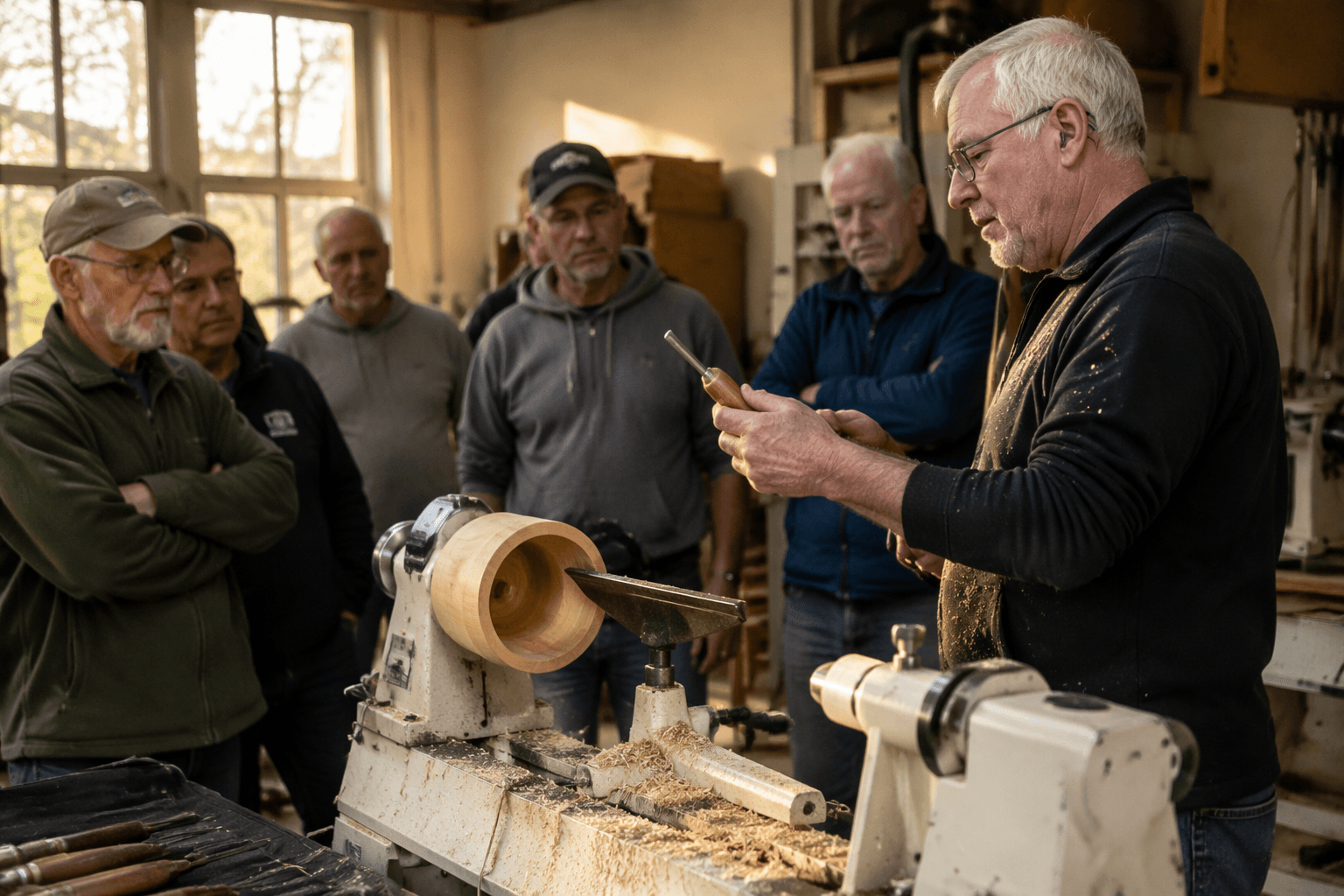
Replaceable carbide inserts let you keep cutting instead of stopping every few minutes to grind and hone a steel edge. That makes the tool feel far less fussy when you are trying to get a bowl blank round or a spindle profile under control. That convenience is why carbide shows up so often in starter kits and teaching shops, where the goal is to get usable projects on the lathe sooner.
The catch is that convenience is not the same thing as universality. Carbide cuts differently from a traditional gouge or skew, and it usually wants a lighter, more controlled presentation. If you want to understand where it belongs in your shop, the right question is not whether carbide is better in the abstract. It is which cut, on which day, on which piece of wood.
Where carbide earns its keep
Carbide tools are at their most useful when you want predictable results with minimal setup. Roughing, shaping, and finishing are the common carbide jobs because the cutter is simple to learn and can be used in a scraper-like presentation. If you are turning punky blanks, experimenting with awkward grain, or just trying to move material without thinking about grinder angles, carbide takes a lot of pressure off the process.
That is especially helpful if you are comfortable handling a lathe tool but not yet confident in sharpening high-speed steel. The insert does the wear work for you, and the replaceable edge means you are not trying to rescue a dull tool in the middle of a cut. In small shops, that also matters because you do not need to build your workflow around frequent sharpening breaks.
- You get a replaceable cutter instead of a permanently sharpened edge.
- You get less sharpening anxiety, which matters when you are learning.
- You get a tool that is easy to keep moving through roughing and shaping work.
- You still need to manage engagement and feed carefully, because carbide is not magic.
A practical carbide setup usually comes down to a few simple realities:
Where gouges and skews still beat them
Carbide did not replace traditional tools because a lot of turning is still about the quality of the cut, not just the ease of getting to the cut. Gouges and skews can produce a more flowing cutting action, and experienced turners still reach for them when they want cleaner shear cuts, more nuanced shaping, and better tactile feedback through the handle. That feel is hard to fake with a scraper-style presentation.
Carbide is excellent for quick confidence and repeatability, but it does not do every job with the same finesse as a well-handled gouge. If you are refining bead-and-cove details, blending a curve, or chasing a surface that benefits from a true slicing action, a traditional tool still earns its place on the rack.
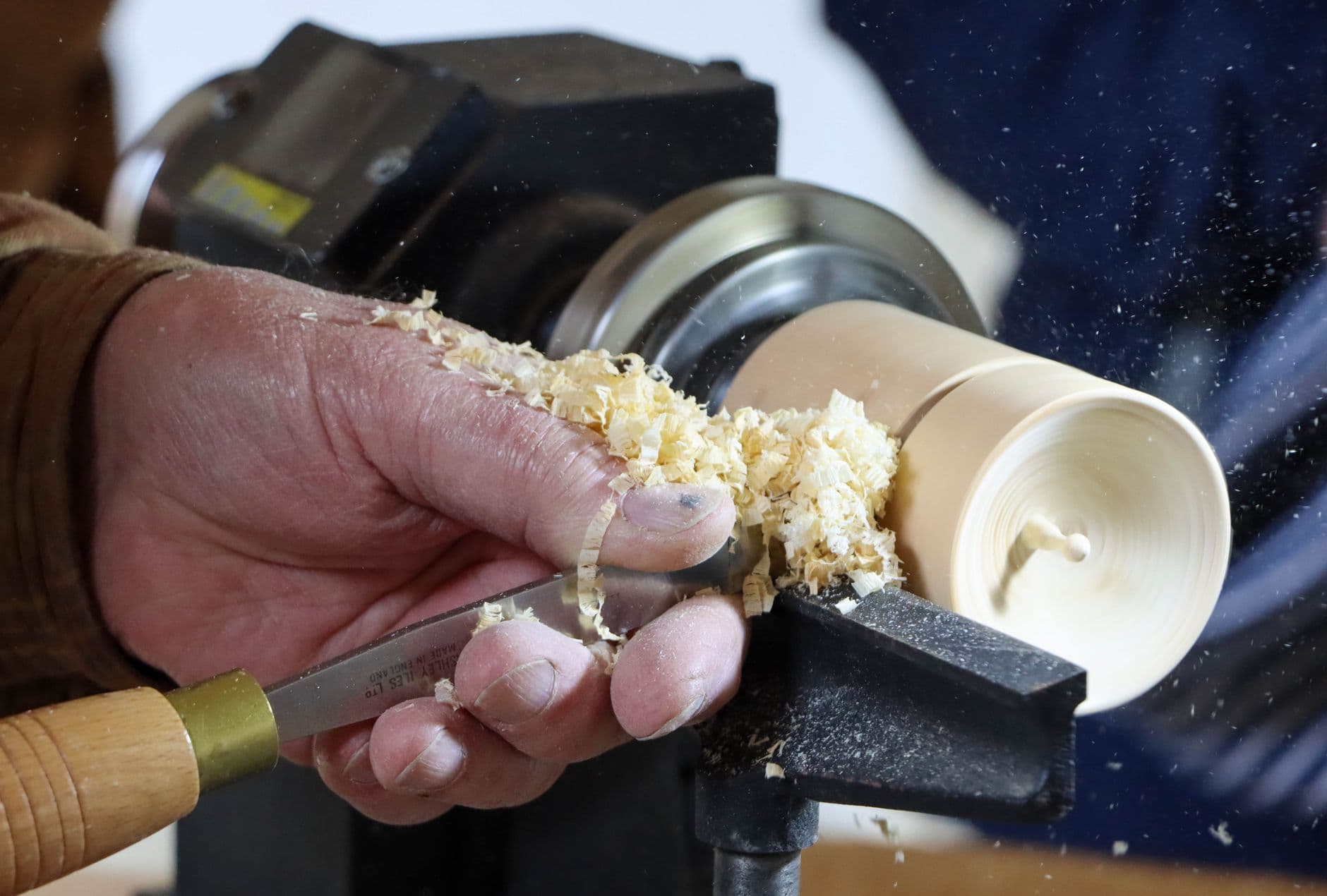
The material also changes how you read the cut. With a gouge, the interaction between flute, bevel, and grain gives you a lot of information. With carbide, the cutter is doing a different kind of work, and that difference is exactly why some turners use both systems rather than choosing one and declaring the other obsolete.
Why the history matters more than the marketing
Carbide itself is not a new material, even if its popularity in woodturning feels modern. Mitsubishi’s history of cutting tools dates high-speed steel to 1898 and credits German scientist Dr. Schroter with inventing cemented carbide in the 1920s. It says Friedlich Krupp began merchandising cemented carbide in 1926 under the name Widia.
Woodturning did not invent carbide; it adopted a material that had already proved durable enough for demanding cutting work. By the time Woodcraft published “Carbide Gets a Turn” on 2019-04-17, carbide had become established enough in the shop conversation to merit mainstream woodturning coverage.
How to choose the tool path for the work you actually do
If your turning time is limited and you want the shortest route to finished projects, carbide is hard to ignore. It is especially sensible when you are roughing blanks, learning tool control, or working in a teaching shop where you need consistency across different skill levels. It lowers the barrier to entry without asking you to become a grinder expert first.
If your work leans toward fine shaping, cleaner bevel-supported cuts, and the kind of surface refinement that comes from years with gouges and skews, traditional tools still deserve priority.
This article was produced by Prism’s automated news system from verified source data, official records, and press releases, then run through automated quality and moderation checks before publishing. The system is built and supervised by the people who set the standards it runs under. Read our full AI policy.
Did this article answer your question?