Woodcraft Northern Virginia class demystifies the skew for turners
Woodcraft Northern Virginia is taking aim at the turner’s most feared tool, with Ken Poirier showing how sharpening and cut geometry turn the skew into control.

The skew chisel has a way of splitting the turning world into two camps: the woodturners who avoid it and the few who trust it to make some of the cleanest spindle cuts in the shop. Woodcraft of Northern Virginia is putting that divide front and center with Intermediate Skew Fundamentals, a three-hour class with Ken Poirier scheduled for Wednesday, June 17, 2026, from 6 PM to 9 PM for $130 at its Springfield, Virginia store in Ravensworth Shopping Center, 5248 Port Royal Road.
Why the skew still scares turners
The reason the skew gets such a reputation is built right into its performance. The American Association of Woodturners describes it as one of the most versatile spindle-turning tools, but also a tool with a bad reputation, and that tension explains why so many turners hesitate when they see one in the rack. Many otherwise capable turners refuse to use it at all, while others who have mastered it swear by it.
That split is not hard to understand once catches enter the picture. Woodcraft’s skew-chisel guidance points out that catches are a common problem, especially when the skew kicks back from the turning surface, which is exactly the kind of moment that can turn a confident cut into a tense one. At the same time, the same guidance makes clear why the tool keeps coming back into serious turners’ hands: it shines in planing work, bead cuts, and finishing cuts, where a well-presented edge can leave a remarkably smooth surface.
What the class is built to teach
Intermediate Skew Fundamentals is designed to demystify the skew and help students avoid the dreaded run back, and that promise matters because so many frustrations with the tool come from geometry, not mystery. The course listing says proper sharpening and cutting geometry will be demonstrated, which is the right place to begin because the skew rewards an edge that is accurate, consistent, and easy to read at the tool rest.
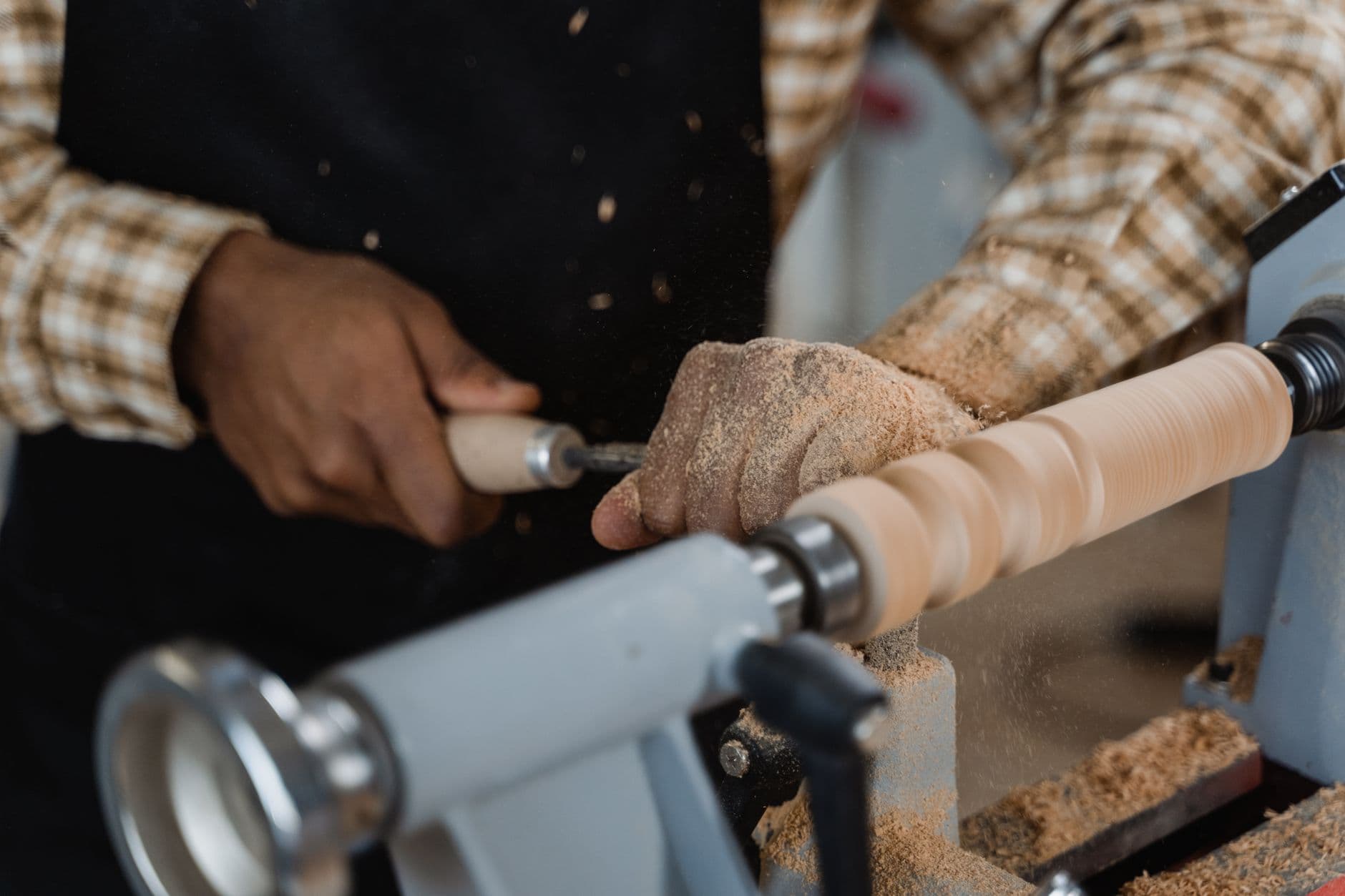
From there, the class moves into the core cuts that every spindle turner eventually needs to understand. Students will learn roughing, peeling, planing, bead cuts, and cove cuts with the skew, giving the session a practical foundation instead of a purely theoretical one. That sequence matters because it shows the skew not as a specialty tool to be admired from a distance, but as a working instrument for shaping, refining, and finishing spindle forms.
The emphasis on basic cuts also helps explain the real value of the session. Once a turner understands how the skew behaves in each of these situations, the tool stops feeling random. The cuts become repeatable, and the turner can start making decisions about presentation, bevel control, and body position with a clearer sense of what the edge is doing.
Hands-on learning, not just a demo
The class is set up to make that learning tactile. Students are encouraged to bring their own skews so they can modify, sharpen, and actually use them during the class, while the instructor also provides a variety of skews for comparison. That comparison piece is especially useful because skew users often struggle not just with technique, but with the differences between tool shapes, grinds, and how each one feels in the cut.
The final project is the kind of assignment that makes a lesson stick. The session concludes with turning a small tool handle using only the skew, which turns all the sharpening and geometry talk into a finished object that can be held, inspected, and measured against the cutting process that made it. It is a smart teaching choice because it forces the tool to prove itself in real use, not just in a demonstration cut.
Why Ken Poirier is a fit for the job
Ken Poirier brings more than a class outline to the bench. In woodturning club materials, he is identified as a past president of the Capital Area Woodturners, and Washington Area Woodturners materials describe him as a guest presenter from northern Virginia. That kind of club-level experience matters in a skew class because the tool’s problems are often the same ones that show up on club lathes, in demos, and in the hands of turners trying to move from competent spindle work to cleaner, more confident cuts.
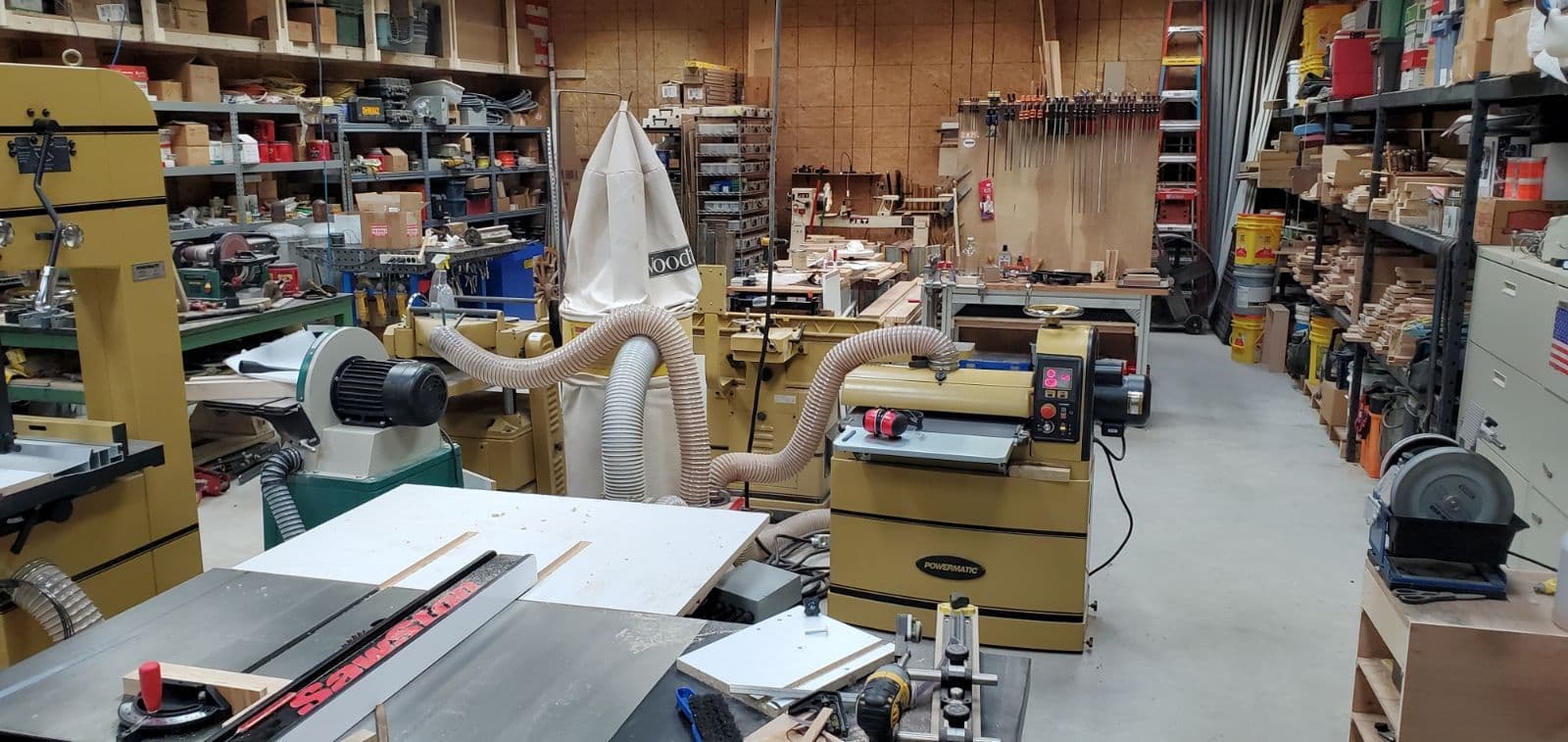
The setting also fits the topic. Woodcraft of Northern Virginia sits in Springfield, Virginia, and is part of a broader Woodcraft footprint that includes a Washington, DC Area store nearby. For turners who already know how easily a skew can humble a good operator, that local, hands-on setting makes the class feel less like a lecture and more like a shop solution.
A tool that rewards patience
For many woodturners, the skew is not avoided because it is useless. It is avoided because it is unforgiving, and that is exactly why a class like this has real value. When sharpening, cutting geometry, and the basics of roughing, peeling, planing, bead cuts, and cove cuts are tied together in one evening, the tool starts to look less like a hazard and more like a precision instrument.
That is the promise at the heart of the skew’s reputation. The fear is real, the catches are real, and the hesitation is understandable, but so is the payoff when the fundamentals click. For turners who have spent years treating the skew as the one tool they would rather not pick up, this class is built to show that the barrier is not the tool itself, but the missing set of skills that makes it behave.
This article was produced by Prism’s automated news system from verified source data, official records, and press releases, then run through automated quality and moderation checks before publishing. The system is built and supervised by the people who set the standards it runs under. Read our full AI policy.
Did this article answer your question?