Woodcraft of Raleigh offers hand-chased threading lesson with Alan Leland
Hand-chased threads took center stage at Woodcraft of Raleigh, where Alan Leland pushed turners beyond friction fits and into precise fitted lids.

A lidded box can look simple until the threads do the talking. At Woodcraft of Raleigh, Alan Leland spent a June 13, 2026 class on one of woodturning’s older tests of control, turning a box with hand-chased threads, a technique that asks the lid and body to mate with precision instead of leaning on a friction fit or a basic tenon.
The lesson was framed as an advanced step, and the emphasis made that clear from the start. Leland focused on the rhythm of the cut and on the point where movement, speed and tool presentation finally line up. The class page put a number to that sweet spot, noting that about 250 to 300 rpm is where threading tends to settle in best, though some turners can still get successful results at higher speeds.

That detail matters because hand-chased threading is one of those skills that rewards patience and punishes casual setup. A turner has to keep the geometry consistent, sharpen tools carefully and think through how the lid will seat, open and close in everyday use. The work also demands a steady relationship between body motion and spindle speed, which is why the process can feel more like a practiced hand skill than a quick lathe trick.

The payoff is a box that reads as craft, not just a shop exercise. Hand-chased threads give a piece a fit and finish that machine shortcuts cannot quite imitate, and they connect the modern woodturner to a longer tradition of making fitted wooden containers by hand. For turners who already know their way around spindle work, the class served as a benchmark, one that reaches beyond a single project and into the fundamentals that shape better boxes, cleaner threading and more confident tool control.
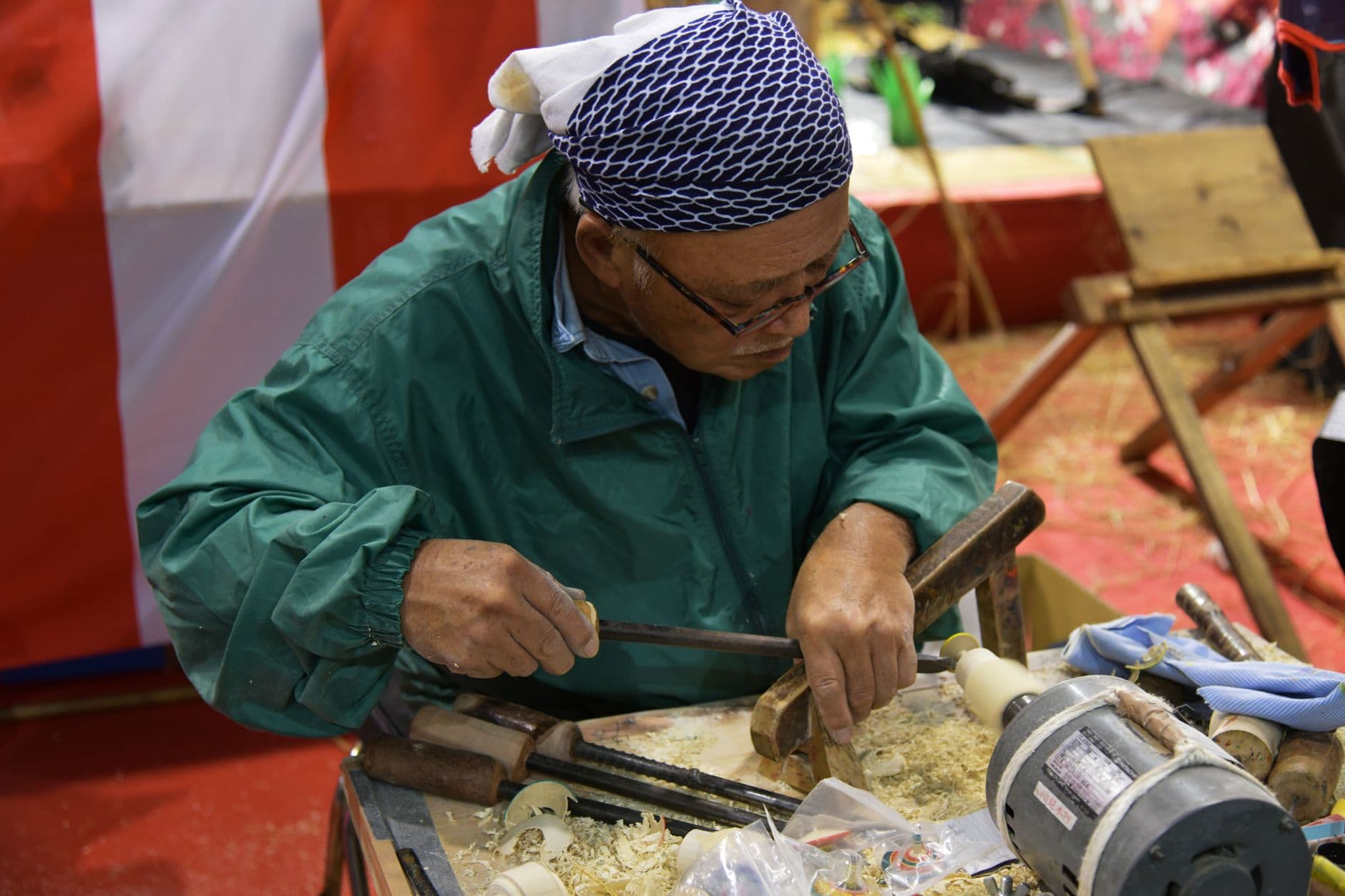
Even if a student never chases another thread after that session, the lesson was built to carry forward. Better sharpening, more disciplined box layout and a deeper understanding of spindle turning all come bundled into the process, which is why a specialty class like this still has weight in a busy shop culture. It left the lathe looking like what it has always been at its best, a place where precision and elegance still have room to matter.
This article was produced by Prism’s automated news system from verified source data, official records, and press releases, then run through automated quality and moderation checks before publishing. The system is built and supervised by the people who set the standards it runs under. Read our full AI policy.
Did this article answer your question?