Woodturners struggle to find Hookit sanding discs for lathe work
A faster disc is only half the story. Woodturners are chasing a sanding system that fits the pad, protects the surface, and can actually be sourced.
The real fight is not grit, it is fit
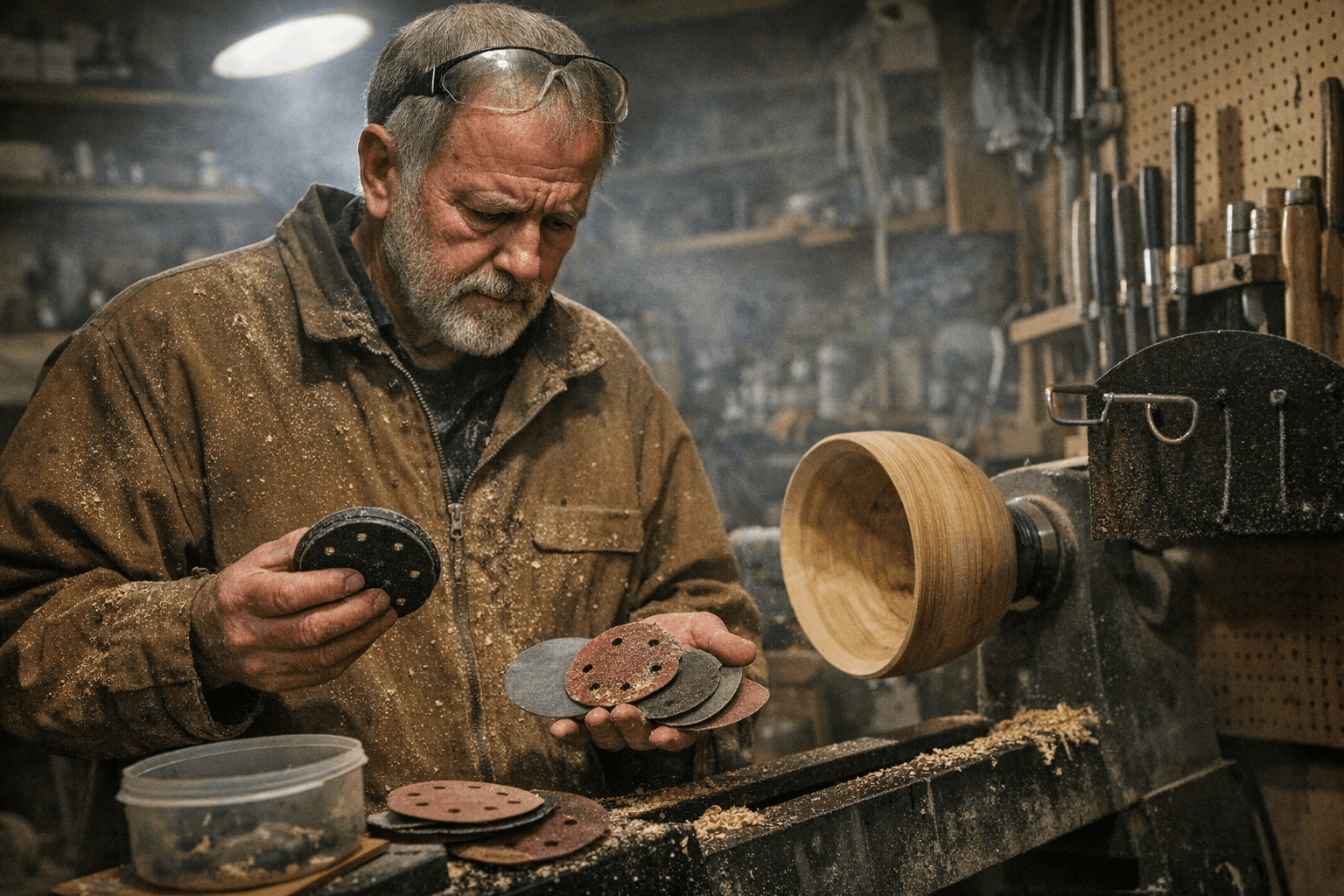
A sanding disc that cuts at least 30% faster and lasts at least 30% longer sounds like an easy win, until a turner tries to buy it in the size, backing, and attachment style that actually works on a bowl. That is the problem running through the Cubitron discussion: sanding is not a side chore in woodturning, it is a major time sink, and the wrong disc geometry can slow the whole shop down.
Robo hippy, the online handle of Reed Gray, has been looking for hook-and-loop discs and ran into the same wall many turners hit when they move from theory to the lathe. After speaking with AAAbrasives, he said 3M does not seem interested in selling hook-and-loop sheets the way it sells PSA sticky-backed abrasive, or the more open patterned discs often shown in demonstration videos. That gap matters because a sanding system is only useful if the abrasive, the backing pad, and the way you work on the wood all line up.
What Cubitron II Hookit actually offers
3M’s Cubitron II Hookit Clean Sanding Abrasive Disc 737U is built as an industrial and occupational product, aimed at auto body repair rather than consumer sale. It uses 3M Precision-Shaped Grain, a multi-hole dust-extraction pattern, and a Hookit hook-and-loop attachment system designed for fast disc change-outs. 3M says the grain cuts at least 30% faster than conventional ceramic abrasives and lasts at least 30% longer.
That is a serious set of numbers, and they explain the appeal. In a bowl shop, speed is not just about getting to finish sooner. Faster cutting can mean less heat, fewer passes, and less time standing at the lathe chasing the same scratch pattern. The Hookit system also gives you clean removal and reuse through the life of the abrasive, which is a practical advantage when a disc still has life left but needs to come off for a different grit or a fresh setup.
Why turners keep reaching for oversized discs
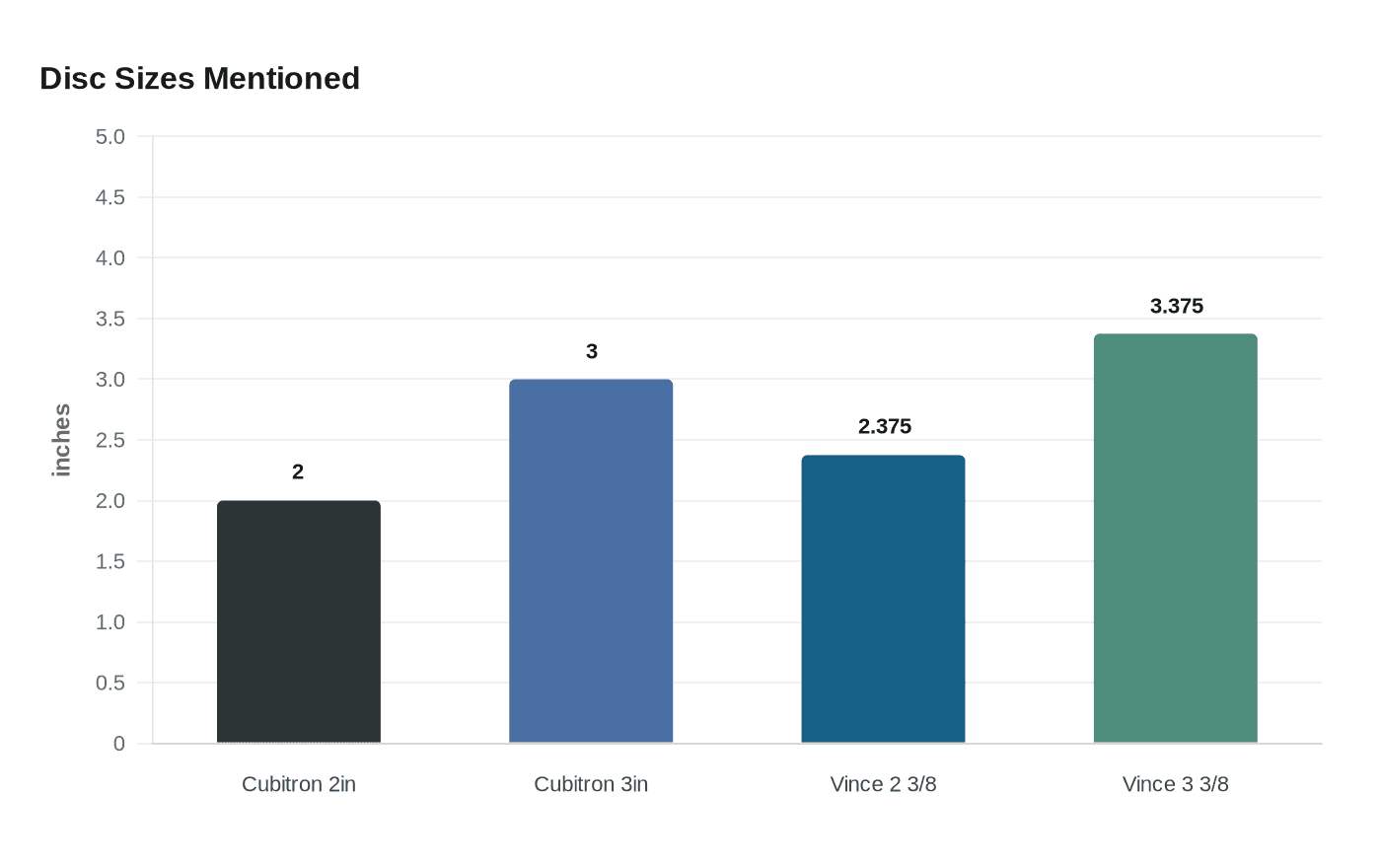
The trouble is that many turners do not sand like the auto body market that Cubitron was built for. Robo hippy said he has become attached to oversized discs from Vince’s Wood N’ Wonders because they fit his style, especially on bowls with smooth sides and fewer detail interruptions. He also said the Cubitron discs he sees are available in 2-inch and 3-inch sizes, while he prefers Vince’s 2 3/8-inch and 3 3/8-inch discs.
That difference in diameter sounds small on paper, but on the lathe it changes how the abrasive rides the work. Larger discs can reduce sanding time on flat work and on bowls, and they give you a little more forgiveness when the surface is broad and continuous. When you are working a clean curve with few interrupted details, the bigger disc can cover the shape more efficiently without feeling twitchy.
There is also a safety and surface-quality reason some turners refuse to match the interface pad exactly. In an earlier American Association of Woodturners discussion, another member wrote that oversized discs are better because when the disc and interface pad are the same size, the edge of the pad can leave 80-grit scratches. Robo hippy said the same kind of exposed hooks can catch the work and leave marks that are hard to erase. That is not an abstract preference. It is the difference between a surface that is ready for finish and one that needs another round of cleanup.
The supply problem is part of the story
The forum thread does more than compare disc diameters. It points to a broader sourcing problem that has been nagging turners for years. Robo hippy said that in an earlier AAW discussion, 3M only wanted to sell Cubitron belts to contractors, not the general public. Put that next to the Hookit disc situation and the pattern becomes clear: the industrial abrasive market is built around contractor channels, while woodturning depends on a mix of specialty suppliers and small-batch workarounds.
That is where Vince’s Wood N’ Wonders comes in. The site presents itself as a woodturning-specific source for sanding abrasives, backing pads, and Hook and Loop replacement pads, and it also says it provides personalized education for woodturners. For a turner trying to match pad size, backing style, and grit progression, that kind of specialization matters as much as the abrasive brand name. It is not just about buying sandpaper. It is about buying a system that respects the way bowls, hollow forms, and platter faces are actually sanded.
How to judge a sanding setup before you buy
The practical question is not whether Cubitron is good. It is whether the disc, pad, and source match your workflow. A useful comparison comes down to four things:
- Fit: If the disc matches the interface pad too closely, the pad edge can mark the work. Oversized discs give more margin.
- Life span: 3M says Cubitron II Hookit lasts at least 30% longer than conventional ceramic abrasives, which matters when you are grinding through multiple grits on a single piece.
- Sanding control: Hookit’s clean removal and reuse can help when you need to swap grits without tearing up the backing. The multi-hole pattern also helps with dust extraction.
- Availability: Industrial products may be easy to read about and hard to source in the sizes or attachment styles turners want. Specialty suppliers fill that gap when the big manufacturer does not.
The key is to match the disc to the way you sand, not the way the catalog assumes you sand. If you mostly work bowls with smooth sides, the oversized format that Robo hippy prefers has a real logic to it. If you are chasing the fastest cut and the cleanest change-out in a controlled setup, Hookit’s industrial design makes sense. If you need a replacement pad or a nonstandard size, the woodturning supplier often becomes the deciding factor.
Why this keeps coming up now
This is not a one-off gripe buried in an old thread. The American Association of Woodturners still has the discussion circulating alongside its April 2026 forum activity, and the timing lines up with the buildup to the 2026 International Woodturning Symposium in Raleigh, North Carolina, scheduled for June 4-7, 2026. AAW describes that symposium as the biggest woodturning event in the world, which makes it exactly the kind of place where abrasive makers, suppliers, and turners could confront the gap between industrial product lines and real shop needs.
The bigger lesson is simple. In woodturning, sanding systems are part of the turning system. A disc that cuts faster but does not fit your pad, or a pad that protects the work only until the edge bites in, costs you time at the lathe and leaves scars where a clean finish should be. The turners in this discussion are not asking for a luxury item. They are asking for an abrasive that is sized, backed, and sold for the way wood actually gets finished.
This article was produced by Prism’s automated news system from verified source data, official records, and press releases, then run through automated quality and moderation checks before publishing. The system is built and supervised by the people who set the standards it runs under. Read our full AI policy.
Did this article answer your question?