Woodturning roundup spotlights bowl projects, tool talk, and beginner tips
Bowl photos lead the way, but the real value is the shop advice: bowl basics, green-wood sealing, and faster end-grain hollowing.

The strongest thread in this woodturning roundup is the way finished bowls, live demos, and quick shop lessons sit side by side. Gordon’s bowl and RustyFN’s expanding bowl-from-a-board series show the kind of work turners are actually sharing right now, while the linked advice points straight back to the lathe with ideas you can use on the next piece.
Bowl turning keeps the hobby moving
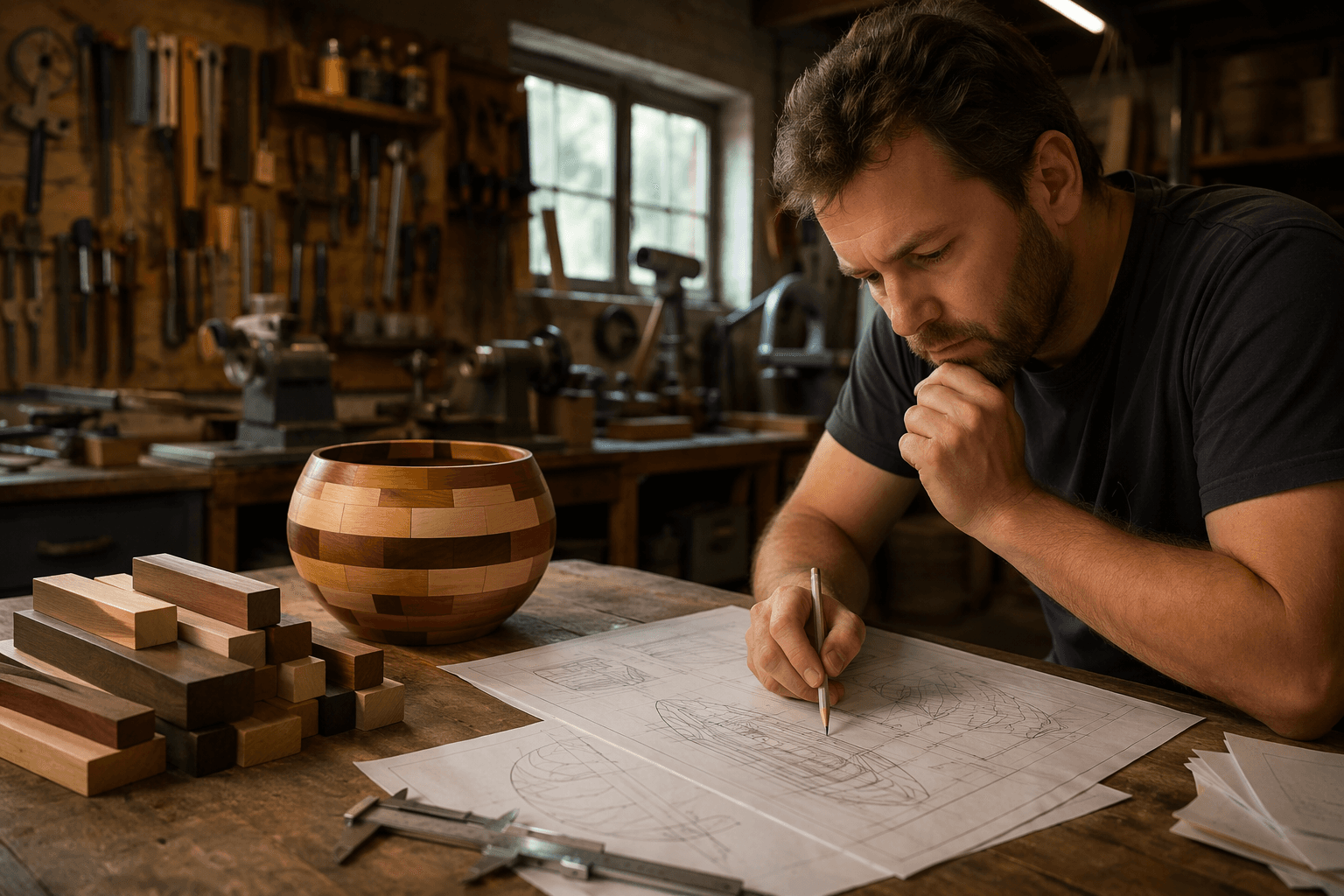
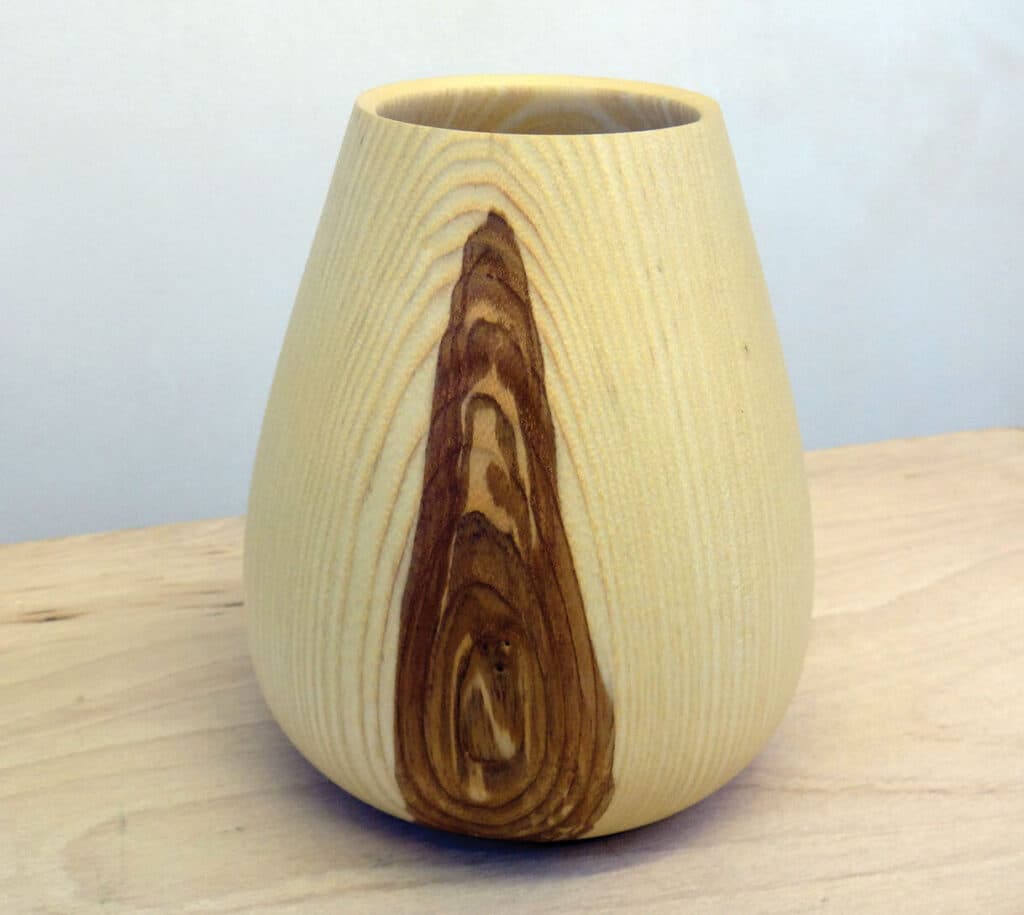
Gordon’s bowl draws attention first because it does what the best turning photos do: it shows the wood, the shape, and the decisions behind both. RustyFN’s bowl-from-a-board series adds another familiar shop path, one that many turners use when they want to stretch a board into a clean, repeatable form and keep experimenting with design.
That bowl focus matters because it matches where a lot of woodturning learning still begins. Lyle Jamieson’s instructional materials cover bowl basics, lathe setup, tool control, grain orientation, sharpening, bowl design considerations, wall thickness, sanding, and green-wood handling, which is a useful spread because bowl work pulls all of those skills together on a single project. Jamieson has taught woodturning for decades, and that experience shows in how broad the topic list is, from setup at the lathe to the last pass with sandpaper.
The most useful instruction is the kind that changes your next cut
One of the most practical links in the roundup is Mike Peace’s note on sealing green wood. Fresh-cut material still moves, cracks, and checks as it dries, so any turner working from the log pile has to think about moisture loss before the blank ever reaches final shape. A sealing reminder may not look dramatic in a feed full of shiny bowls, but it is exactly the sort of detail that saves a rough-turned piece from becoming firewood.
That same practical streak runs through the replay of Cindy Drozda’s Tool Talk with Tod Raines. Raines’ own Woodturning Tool Store sessions run every other Friday at 1:00 pm Central and are simulcast to Facebook, YouTube, and StreamYard, with the June 26 topic set as Working with Odd Shapes. That schedule tells you what kind of teaching value the series aims for: compact, repeatable sessions that focus on the awkward forms turners actually struggle with.
Odd shapes and hook tools answer the hard jobs
The roundup’s tool talk does more than advertise a replay. It points directly to the kind of specialty tool that earns bench space, especially the Hook Tool by Michael Hosaluk. Woodturning Tool Store describes it as a tool designed to make end-grain hollowing quick and efficient, and its demonstrations page lists hook-tool end-grain hollowing among the subjects Tod Raines can present in person or remotely.
That matters because end-grain work is where many turners want more control and less fuss. A dedicated tool for that job gives you a path to cleaner hollowing, and the fact that the same tool appears in both product talk and demo topics makes it easier to move from curiosity to practice. This is one of the roundup’s clearest signals: the community is not just watching tool chatter, it is treating that chatter as a map for what to try at the lathe.
Small projects still do big work for beginners
The beginner side of the roundup is just as grounded. Registration For The Newbies is described as a neat gift for a fisherman and a good way to practice spindle-turning skills, which makes it exactly the sort of project that builds confidence without demanding a full bowl blank or a complicated setup. Tommy Tomasic’s pencil holder plays a similar role, keeping the focus on small spindle work that is useful, giftable, and easy to revisit when you want a quick session at the lathe.
Those projects matter because beginner turners rarely need a grand challenge as much as a clean path to repetition. A pencil holder teaches layout, symmetry, and finishing in a compact form, while a fishing-themed gift adds a practical destination to the piece. Both sit comfortably beside the bowl work in the roundup, which is part of why the list feels so close to real shop life.
Carbide tools and dealer demos keep the learning local
Easy Wood Tools continues to shape the conversation around carbide cutting, negative-rake cutters, and beginner-friendly tool sets, all of which speak to turners who want simpler tool maintenance and predictable cuts. Woodcraft of Dayton, Ohio scheduled an Easy Wood Tool Demo for Saturday, June 27, 2026, from 11 a.m. to 1 p.m., with Doug from Easy Wood Tools on hand and no cost to attend. That kind of in-person session still matters because it gives you a chance to see the cutter geometry, ask questions, and compare technique without guessing from a screen.
Hartville Hardware also keeps Easy Wood Tools and other woodturning tools in its retail mix, which shows how the hobby still runs through familiar brick-and-mortar channels as well as video and livestreams. For a turner trying to buy smarter, that combination of product pages, store demos, and local stock is often the difference between reading about a tool and actually putting one on the bench.
A new lathe pushes the tech side forward
The product news in the roundup lands on Teknatool’s 2026 NOVA Neutron, which the company presents as a new-for-2026 lathe with a 2 HP DVR direct drive, a 4.3-inch TFT touchscreen, a 360-degree swivel headstock, and a 5,000 RPM maximum speed. Teknatool also says Nova Teknatool International has been a global manufacturing exporter since 1980, with facilities in New Zealand, China, and the USA.
That combination of specs and manufacturing footprint shows where the market is heading: more digital control, more flexibility at the headstock, and enough horsepower to keep the machine relevant for a wide range of turning styles. For turners watching equipment trends, it is a reminder that the lathe itself keeps evolving even as the core craft still revolves around bowls, spindles, and cleaner cuts.
The roundup works because it never loses sight of the bench. A bowl photo leads to bowl setup, a green-wood note leads to better drying habits, and a tool demo leads to a sharper way of hollowing awkward shapes. That is the real pattern here, and it is why the most useful links are the ones that move quickly from inspiration to the next cut.
This article was produced by Prism’s automated news system from verified source data, official records, and press releases, then run through automated quality and moderation checks before publishing. The system is built and supervised by the people who set the standards it runs under. Read our full AI policy.
Did this article answer your question?