Adaptive Yoga Moves From Niche to Mainstream Practice in 2026
The $68B global yoga market is being reshaped by adaptive practice, as clinical trials, Yoga Alliance-accredited certifications, and a demographic wave of aging practitioners push studios to build for every body.
The Shift Studios Can No Longer Ignore
The global yoga market hit $68 billion in 2026, and the fastest growth is not coming from power flows or hot classes. Chair yoga for seniors, adaptive yoga for people with disabilities, and programs for historically underserved populations have all moved from niche offerings to mainstream market segments, driven partly by demographics and partly by a cultural reckoning within the yoga community about who the practice is actually for. If you're running a studio, designing a training curriculum, or simply looking for a class that works for your body, adaptive yoga is no longer peripheral. It is, as YogaJala's April 2026 analysis puts it, a growth and equity imperative for the next wave of yoga's evolution.
What Adaptive Yoga Actually Is
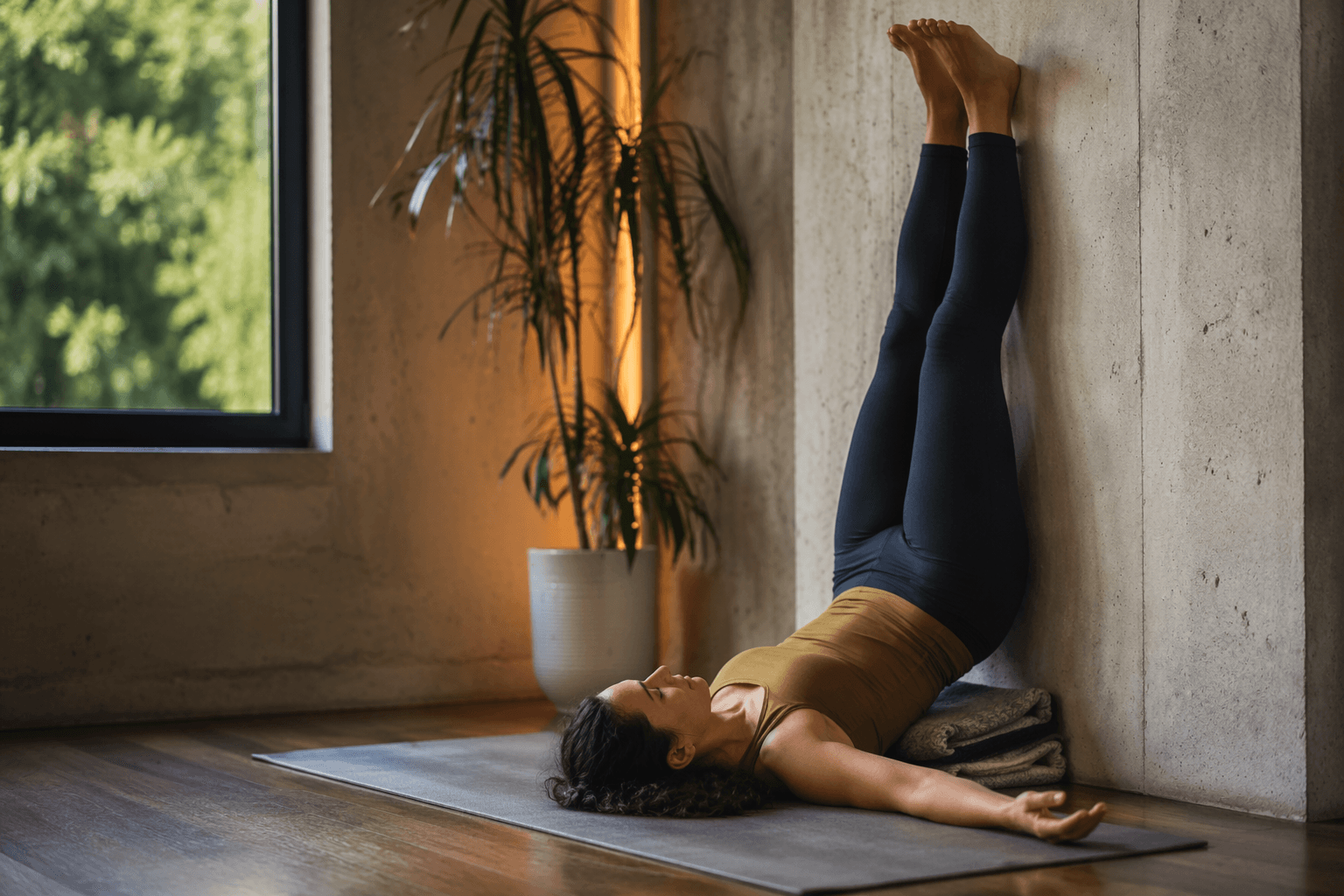
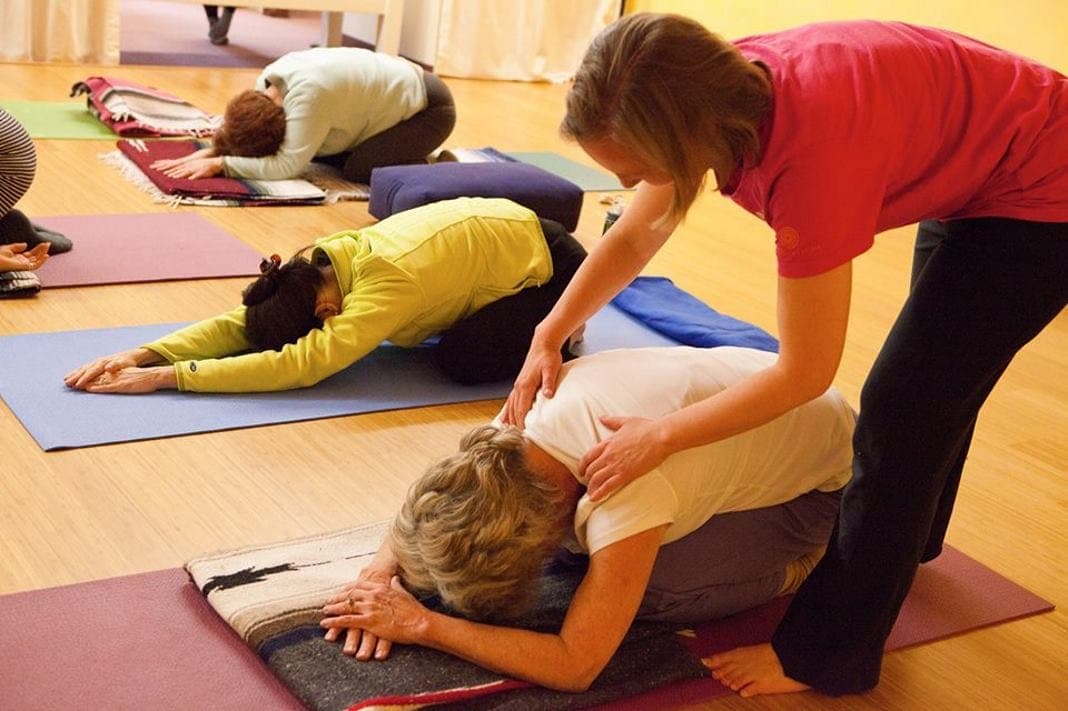
Adaptive yoga is not a single style. It is an instructional philosophy applied across hatha, restorative, and therapeutic formats. In practice, that means slower pacing, extensive use of props, individualized modification, and classes structured as smaller groups or one-on-one sessions. The goal is not to simplify yoga; it is to remove the barriers that keep specific populations out of standard classes. Yoga teachers who offer adaptive yoga often do so from a trauma-informed lens, creating a container where practitioners find space to explore the practices safely. The approach is particularly beneficial for those with chronic illness, disabilities, short-term and long-term injuries, and older adults who need space to modify as their needs change day to day.
What sets 2026 apart is not the concept itself but the clinical infrastructure now backing it.
The Clinical Case Is Getting Harder to Dismiss
A 2025 scoping review screened 4,805 articles on yoga interventions across neurological conditions, with 35 meeting inclusion criteria. Parkinson's disease, multiple sclerosis, and stroke were the most prevalent disability types studied, with additional research on spinal cord injury and traumatic brain injury. The outcomes being tracked span balance, fatigue, respiratory function, pain management, and quality of life, and the results across conditions are consistently pointing in the same direction.
Yoga training has been shown to be effective in improving motor symptoms, balance function, and mood disturbances in Parkinson's disease rehabilitation, where it is beginning to be used as a simple, adaptable, and effective complementary alternative therapy. For MS populations, randomized controlled trials have examined the effect of yoga on cognitive function, fatigue, mood, and quality of life, adding methodological rigor to what was previously a mostly anecdotal case.
The research is not just academic. It is powering new collaborations between yoga therapists and medical teams, and positioning adaptive yoga as a credible non-pharmacologic intervention for chronic disease management and rehabilitation.
Certification Is Catching Up
The teacher training side of the industry is responding. Yoga Alliance-accredited adaptive yoga certification programs now prepare teachers to create inclusive group classes and private sessions, developing confidence to honor individual experiences and foster belonging. Integral Yoga's training pathway awards a Certificate of Completion as an Adaptive Gentle/Chair Yoga teacher, qualifying graduates to guide people living with limitations through a hatha yoga experience that is both confident and compassionate. Strong 200-hour programs in 2026 now go beyond learning poses, incorporating functional anatomy that teaches how different bodies move, not just muscle names, and trauma-aware teaching methodology.
The International Association of Yoga Therapists launched its Foundations Initiative Task Force in early 2026, signaling that professional standards bodies are actively working to define and elevate the therapeutic end of the spectrum.
What Studios Need to Build
The mainstreaming of adaptive yoga puts real pressure on physical spaces. Facilities designed around a single user profile, an able-bodied, flexible adult, are not equipped for the population that adaptive practice serves. The infrastructure checklist is specific:
- Ramps and step-free entry to practice rooms
- Accessible restrooms and changing areas that accommodate wheelchairs and mobility aids
- Sufficient stock of chairs, bolsters, blocks, straps, and blankets to support full classes
- Captioning or audio description for any pre-recorded or streamed content
- Intake processes that ask about mobility, neurological conditions, chronic pain, and preferred modifications rather than assuming every student arrives the same way
Class design matters just as much as the room. Adaptive classes should run smaller than standard formats so teachers can actually deliver individualized attention. Sequencing should start from a position of modification and layer in options for those who want more challenge, rather than starting from a traditional peak-pose structure and bolting on alternatives at the end.
How to Choose an Adaptive Class
If you are looking for an adaptive class for yourself or someone in your care, the landscape is wider than it was even two years ago but still uneven in quality. A few specific things to look for:
- The teacher holds a dedicated adaptive or accessible yoga certification, not just a standard 200-hour credential with a weekend add-on
- The studio publishes its accessibility features before you arrive, not as an afterthought on a buried FAQ page
- Class descriptions name the populations or conditions the format is designed for, whether that is Parkinson's, MS, spinal cord injury, chronic pain, or general mobility limitations
- The intake process asks questions. A teacher who collects no information about your condition before class starts is not equipped to modify in the moment
- Smaller class sizes, typically eight or fewer students in clinical-adjacent settings, mean you will receive actual attention rather than a generic cue to "use a block if you need one"
Digital platforms have expanded access significantly, but verify that online adaptive content is built with accessibility features including captions and that the teacher demonstrates modifications at camera angles that are actually useful for someone practicing in a chair or on the floor.
The Revenue and Partnership Opportunity
Studios and digital platforms that have invested in inclusive programming are seeing strong returns, while those that cling to a narrow demographic profile are struggling with declining membership. The business case runs beyond class bookings. Adaptive yoga opens direct pathways to healthcare partnerships: clinic-studio integrations, contracts with rehabilitation centers, and insurance-reimbursed program models that are beginning to emerge as yoga therapy earns tighter clinical definitions.
India's recent launch of clinical yoga protocols targeting diabetes, hypertension, and asthma is a leading indicator of how government health systems are beginning to formalize yoga as a managed intervention, not a wellness add-on. For Western studios and platforms, that trajectory suggests a market in which accessible content libraries, certification micro-credentials, and purpose-designed props for people with mobility challenges are not nice-to-have features but table stakes for the next decade.
The demographic shift is particularly acute: aging populations in North America, Europe, and East Asia are seeking gentle, joint-friendly movement practices, and they are arriving at studios and platforms expecting to be accommodated, not adapted for as an afterthought. Studios that build the infrastructure and teacher capacity now, before that wave peaks, will not be playing catch-up. The ones that treat adaptive yoga as a specialty add-on may find it has become the core of the market they underbuilt for.
This article was produced by Prism’s automated news system from verified source data, official records, and press releases, then run through automated quality and moderation checks before publishing. The system is built and supervised by the people who set the standards it runs under. Read our full AI policy.
Did this article answer your question?