AI Tools Are Reshaping Yoga Teaching, Sequencing, and Studio Operations
Down Dog generates fresh sequences on demand, Anolla's AI resolves 79% of student booking queries, and the yoga market is projected to grow 80% by 2032 — the robots aren't replacing teachers, but they're rewriting the job description fast.
The yoga market is on a steep upward curve, projected to grow 80% by 2032, and the technology moving alongside that growth is no longer speculative. AI has moved from a curiosity into a working layer of how teachers build classes, how students self-correct at home, and how studios keep their operations running. Whether you're a newly certified teacher or running a multi-room studio, understanding what these tools actually do, and where they still fall short, is now part of the job.
Pose Recognition and Real-Time Alignment Feedback
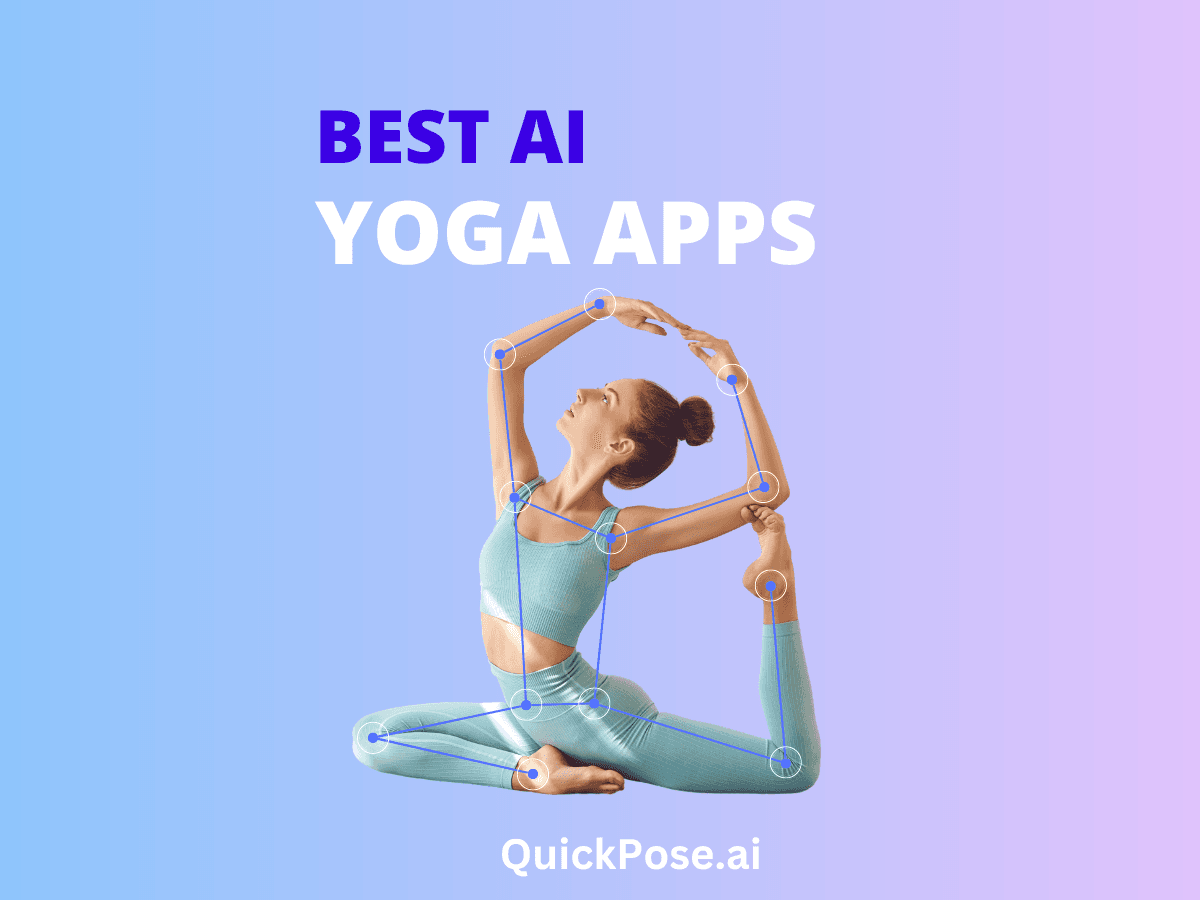
The most visible AI application in yoga is pose recognition: computer vision systems that analyze body position and tell practitioners what needs adjusting, without a human teacher in the room. Pose estimation and detection technologies use computer vision to identify, track, and analyze human movements by interpreting key body points and understanding how they relate to each other, making them especially valuable in yoga where alignment is critical to both safety and efficacy.
AI yoga pose recognition uses artificial intelligence to analyze images of yoga poses, identifying the pose being performed and providing feedback on alignment, balance, and form to help practitioners improve their practice. Tools in this space range from standalone apps to SDKs that developers embed directly into fitness platforms. QuickPose, for instance, detects and scores yoga poses in real time, guides users into correct alignment, and tracks hold duration without a human instructor. Its processing architecture is notably privacy-conscious: all processing happens on the device, no video leaves the app, there are no network round-trips, and no latency, making it GDPR compliant by design.
For practitioners practicing at home, apps like Zenith Yoga offer real-time AI yoga pose correction, posture alignment and symmetry feedback, guided meditations, and even mood-based pose suggestions. Zenith's mood detection feature takes this a step further: users take a selfie and the AI suggests yoga poses and meditation routines tailored to their emotional state.
The underlying accuracy of these systems has improved significantly. Research published via Springer Nature found that high recognition accuracy of up to 99.9% can be achieved by combining OpenPose keypoints with rule-based evaluation, enabling reliable home-based use. Importantly, OpenPose-based keypoint detection enables precise pose analysis supporting personalized fitness plans, and a scoring system quantifies pose accuracy to ensure proper form and minimize injury risk.
That said, current systems have real constraints. Most pose recognition models are optimized for young and athletic users, leading to reduced accuracy when applied to older adults due to differences in flexibility, balance, and execution speed. And many existing systems analyze recorded data but fail to provide immediate corrections, which are critical for preventing injuries. Apps like Prayoga are working to close this gap: Prayoga's AI coach uses a phone's camera to analyze postures in real time, offering instant feedback and adjustments to ensure proper form and minimize injury risk.
AI-Powered Sequencing for Teachers
For teachers, AI's most practical contribution right now is in sequencing. The landscape of yoga teaching has transformed dramatically, with sequencing platforms evolving from simple pose libraries to sophisticated, AI-powered tools that help teachers create, organize, and share professional yoga sequences in minutes.
Sequencing is one of the primary ways yoga teachers use AI, either for inspiration or as an outright foundation for building classes, and digital yoga apps have taken it a step further by having AI design entire classes based on a user's preferences. Down Dog is the most widely cited example: it automatically generates fresh yoga sequences tailored to a practitioner's available time, skill level, and specific physical goals.
FLOW Yoga Sequence Builder targets the teacher-prep side of the equation. Its drag-and-drop sequence builder includes real-time preview, AI-powered sequence suggestions based on class goals, comprehensive pose details including benefits, modifications, and contraindications, and multiple difficulty levels from beginner to advanced. The free tier is functional enough for most working teachers: FLOW's free plan includes full pose library access (420-plus poses), a sequence builder for up to three flows, and three AI suggestions per day, while FLOW Pro at $4.99 per month unlocks unlimited flows, PDF export, shareable links, and unlimited AI assistance.
For teachers who want to use general-purpose LLMs like ChatGPT as a starting point, AI can generate sequence ideas, theme suggestions, or guided meditation scripts for inspiration. Practical prompt examples include asking for "five beginner-friendly yoga sequences for a fall wellness workshop, including Sanskrit pose names." Beyond sequencing, AI tools handle the surrounding workload too: workshop and retreat planning, including itineraries and themed activities for multi-day events, as well as specialized class ideas for prenatal yoga, chair yoga, or yoga for athletes, complete with pose lists and modifications.
One honest caveat applies here. LLMs like ChatGPT can handle sequencing well under normal conditions, but experienced teachers are better equipped to adjust sequences on the fly when injuries arise or the class dynamic shifts, making a deep understanding of sequencing principles still essential.

Personalized Training and Teacher Development
Beyond in-class sequencing, AI is changing how teachers develop their craft. Trueyogi utilizes AI-driven virtual trainers to evaluate teaching performance, offering real-time feedback on sequencing, instructional clarity, and cue effectiveness, enabling continuous improvement.
AI-driven platforms dynamically adapt yoga education to individual learners, offering tailored content to match personal goals, skill levels, and preferences. Glo, for example, recommends specific yoga classes and tutorials based on user engagement and feedback, personalizing the learning journey and increasing effectiveness. Looking ahead, future teacher training is expected to feature AI mentors that analyze teaching style, effectiveness, and delivery, with trainees interacting in realistic simulated scenarios to rapidly refine skills before entering real classrooms.
Studio Operations: Automation Where It Counts
The operational side of running a studio has arguably seen AI's most immediate impact. Running a yoga studio in 2026 means juggling class scheduling, membership management, payments, and client communication, in a market where over 40,000 yoga and Pilates studios operate in the United States alone and the global market is projected to reach $66 billion by 2027.
AI-native platforms are stepping in to absorb the administrative weight. Anolla, for instance, has reduced repetitive schedule creation, waitlist management, and student communications, cutting studio administrative work by an average of 8 to 10 hours per week. Its AI assistant delivers measurable results: the Anolla AI assistant resolves up to 79.3% of students' booking, payment, and schedule queries, reducing admin load and speeding up the customer journey. The platform also offers multilingual support in 25 languages, serving the international yoga community and increasing conversion from visitors to regulars.
The biggest differentiator in 2026 is whether AI is built into a platform from day one or bolted on as an afterthought, with AI-native platforms helping owners spot important trends automatically, automate repetitive work, and improve operational efficiency. For studios evaluating options, mid-range platforms like 1club and Vagaro often start around $50 per month, while premium tools like Mindbody, Glofox, and Mariana Tek can run $129 to $300-plus per month.
The 24/7 availability question is particularly significant. A studio might close at 8 PM, but potential students are browsing for classes at 10 PM; an AI front desk lets them book a spot anytime, without the need for extra staff to cover after-hours calls or bookings. Personalized reminders and AI-powered communication also improve student attendance and loyalty.
Where the Human Teacher Remains Irreplaceable
Most yoga practitioners and teachers currently view AI as a beneficial supplemental tool rather than a replacement for human instruction, recognizing that apps like Zenia or Skill Yoga provide valuable posture feedback but cannot offer the emotional sensitivity and spiritual guidance that define meaningful yoga mentorship.
The emerging resolution is a hybrid model: AI handling the routine physical and practical aspects of practice, such as personalized daily sequences, alignment corrections, and basic yogic education, while human teachers focus specifically on philosophical exploration, spiritual mentorship, nuanced emotional support, and community-building.
The robots aren't coming for teacher jobs, but they are making the administrative side of yoga life significantly easier. The teachers who are adapting fastest are the ones treating AI as a creative collaborator and operational assistant, not a competitor. The human capacity to read a room, feel when a student needs to back off, and build the kind of trust that keeps someone coming back to the mat for years: that remains firmly outside what any algorithm can replicate.
This article was produced by Prism’s automated news system from verified source data, official records, and press releases, then run through automated quality and moderation checks before publishing. The system is built and supervised by the people who set the standards it runs under. Read our full AI policy.
Did this article answer your question?