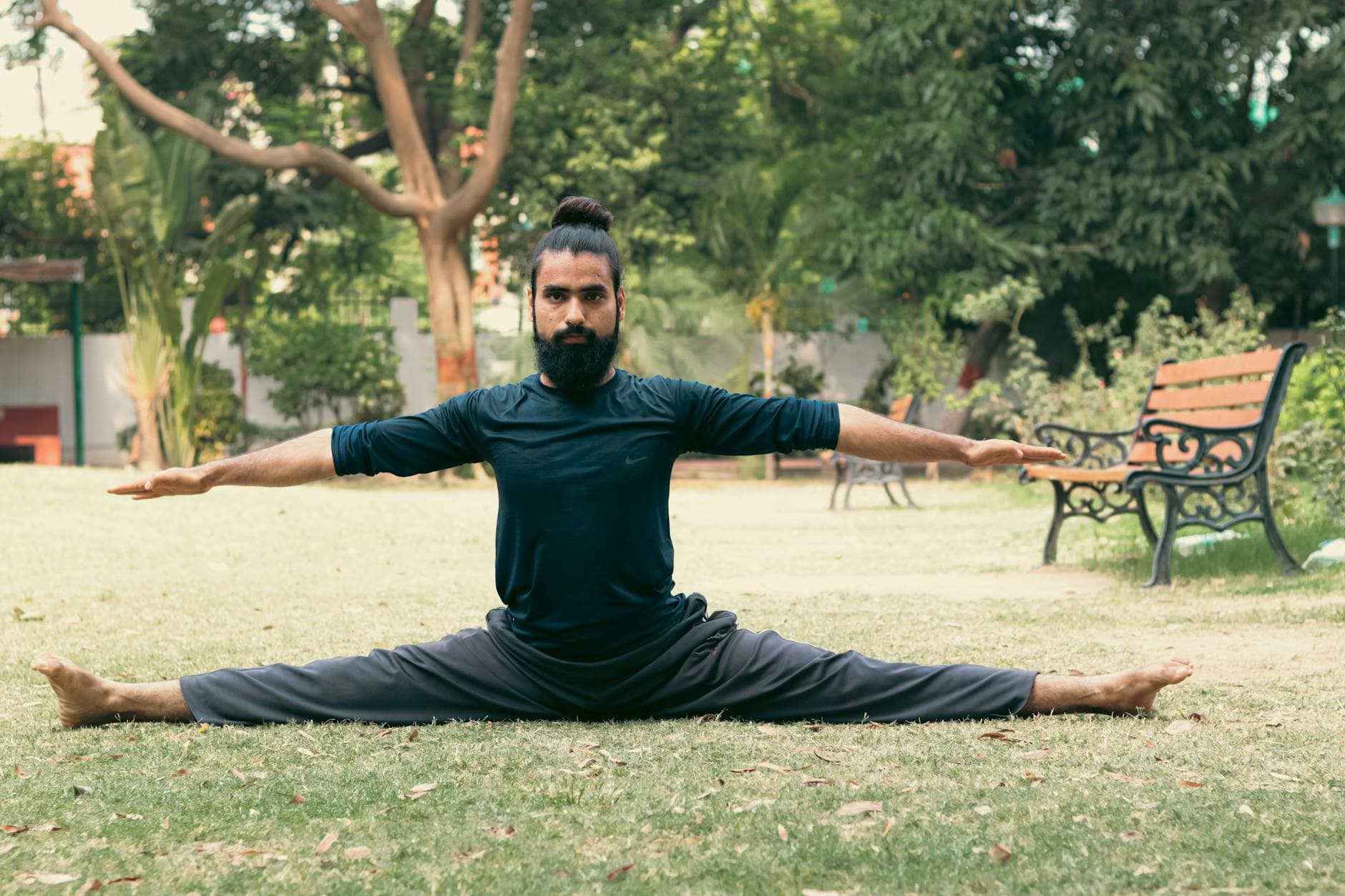
Bengaluru yoga event frames practice as public health tool
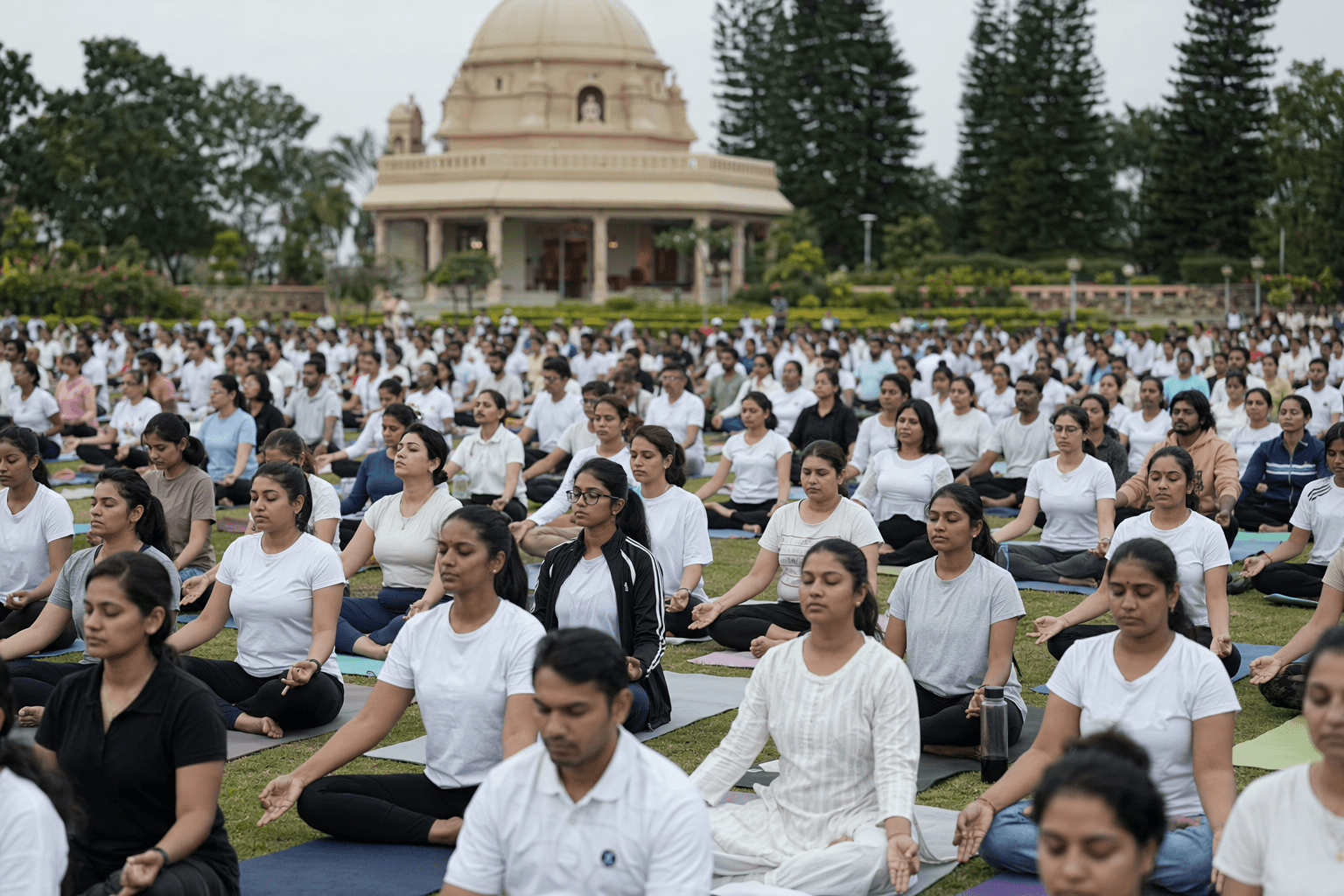
About 650 people packed S-VYASA’s Prashanti Kutiram campus as Bengaluru’s yoga push was pitched as a response to burnout, digital fatigue and youth stress.
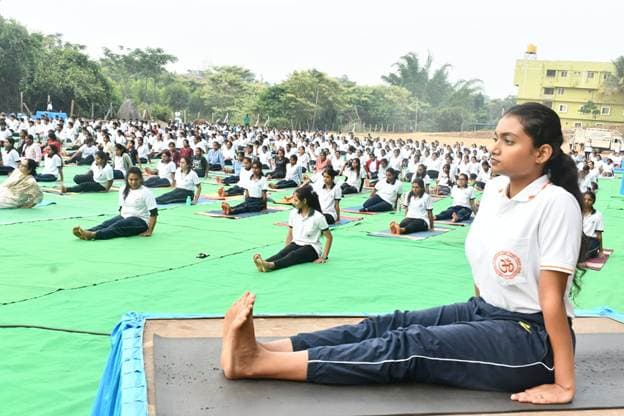
A mass yoga programme in Bengaluru put the practice squarely in public-health territory, with about 650 people gathering at S-VYASA’s Prashanti Kutiram campus in Jigani on May 17 for a Common Yoga Protocol session and an academic seminar, Yoga for Health and Wisdom.
The event, hosted by Swami Vivekananda Yoga Anusandhana Samsthana with the Morarji Desai National Institute of Yoga, was part of the official 100-day countdown to International Day of Yoga 2026. That timing mattered: the Ministry of Ayush is using the IDY 2026 push to extend yoga beyond a single annual observance, with a year-long calendar and a daily-practice message built around initiatives such as Yoga 365.
At the centre of the gathering was a familiar name in modern yoga research, Padma Shri H.R. Nagendra, the founder-chancellor of S-VYASA. He framed yoga as more than a sequence of postures, arguing that it should be viewed through a scientific lens and treated as a preventive healthcare measure. The discussions also tied yoga to chronic inflammation, stress hormones, and the mental strain of contemporary life, including digital fatigue and cognitive overload.
That focus on youth wellness gave the event its sharpest edge. Speakers positioned yoga as a bridge between traditional wisdom and modern medical science, with young people described as facing rising stress and burnout. The messaging lined up with World Health Organization findings that regular physical activity can reduce symptoms of depression and anxiety and improve well-being, while adolescence remains a crucial period for building coping, problem-solving and interpersonal skills.
The public-health case for yoga is also still being tested in the research world. A 2024 Springer review found that yoga may help ease burnout symptoms and subjective stress, but said the evidence remains inconsistent and needs more standardized definitions and diagnostic tools. That tension between enthusiasm and proof was visible in Bengaluru, where the collective practice and the academic seminar were presented as two sides of the same effort.
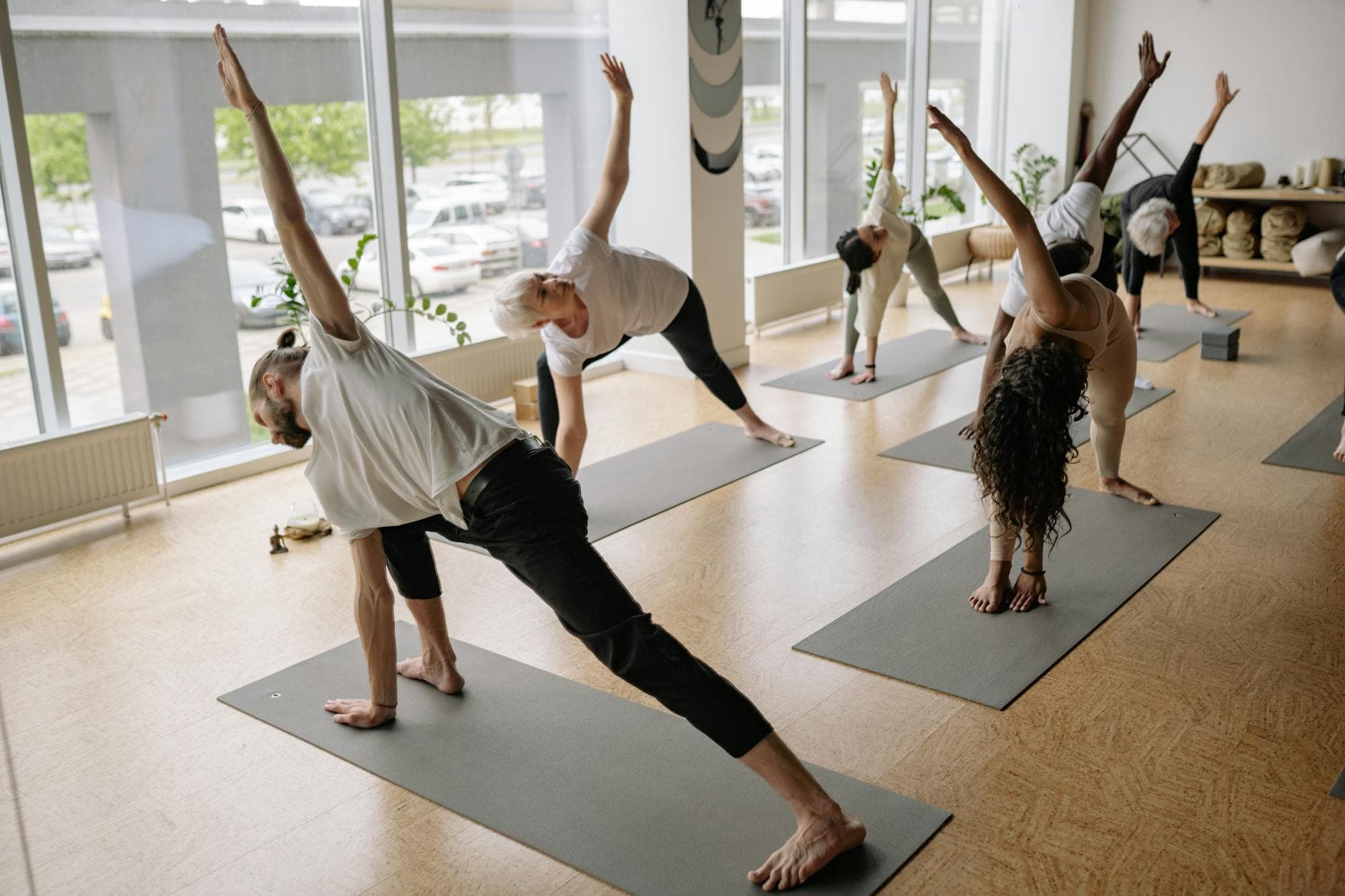
Prashanti Kutiram added symbolic weight to the day. S-VYASA describes the 100-acre campus as a centre for holistic education, yoga and research, a setting that matched the event’s central claim: yoga is being pushed not just as a cultural tradition, but as a measurable tool for student and young-professional well-being.
Know something we missed? Have a correction or additional information?
Submit a Tip