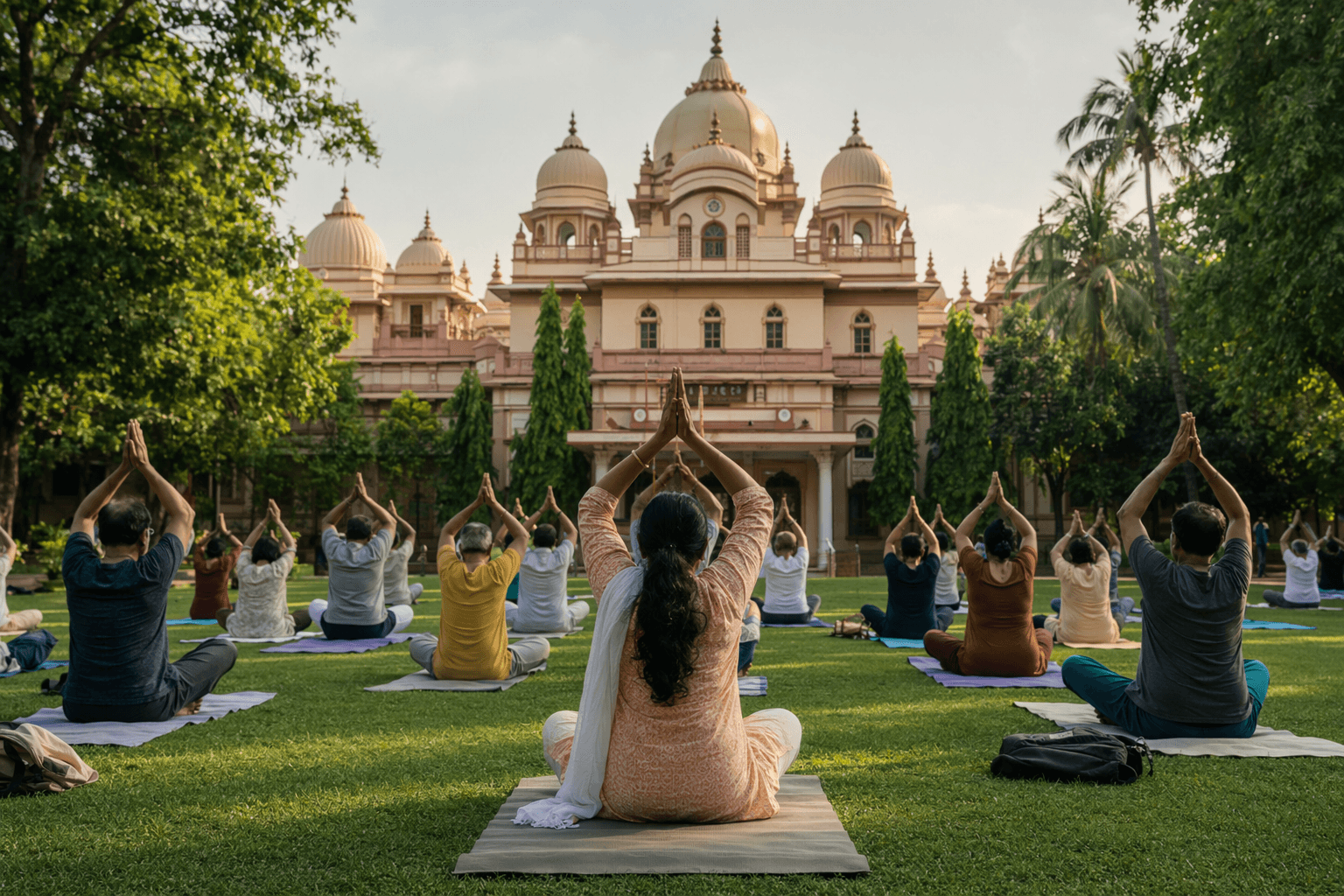
Viral yoga post sparks debate over India’s yoga boom and reach
Rishi Bagree’s yoga image drew more than 10,000 likes and 1,100 reposts, but the real fight was over whether yoga in India is lived practice or political symbol.
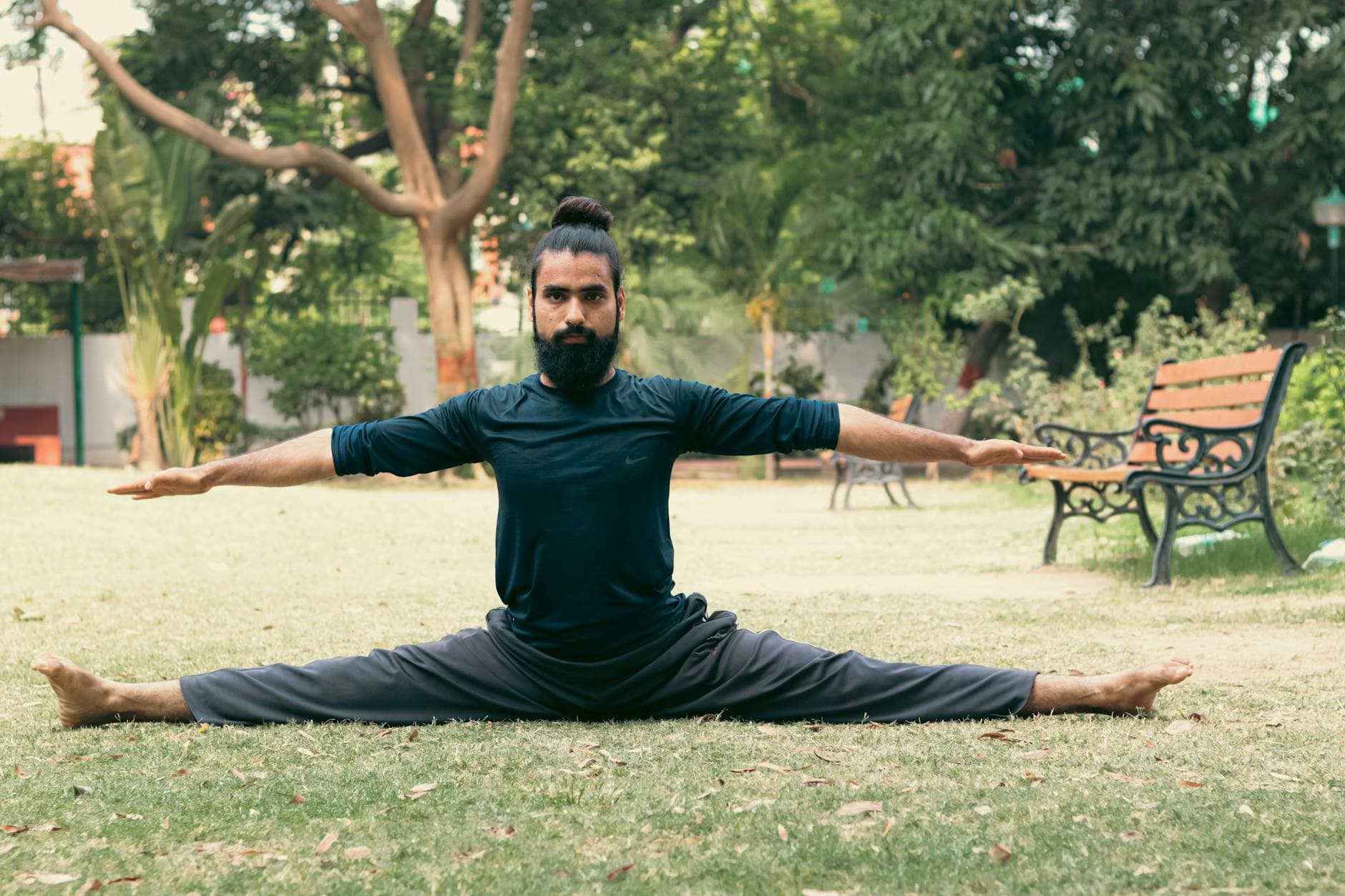
Rishi Bagree’s yoga post pulled in more than 10,000 likes and 1,100 reposts, but the numbers only told part of the story. The replies quickly moved from wellness to argument, with users debating when yoga actually became widespread in India and whether the practice now reflects daily habit, cultural identity or political branding.
That split is easier to understand when you look at the official story around yoga. The United Nations describes yoga as an ancient physical, mental and spiritual practice that originated in India, and on 11 December 2014 it proclaimed 21 June as the International Day of Yoga through Resolution 69/131. India’s draft was endorsed by a record 175 member states, and the first International Day of Yoga was celebrated on 21 June 2015, including an outdoor event at United Nations Headquarters in New York.
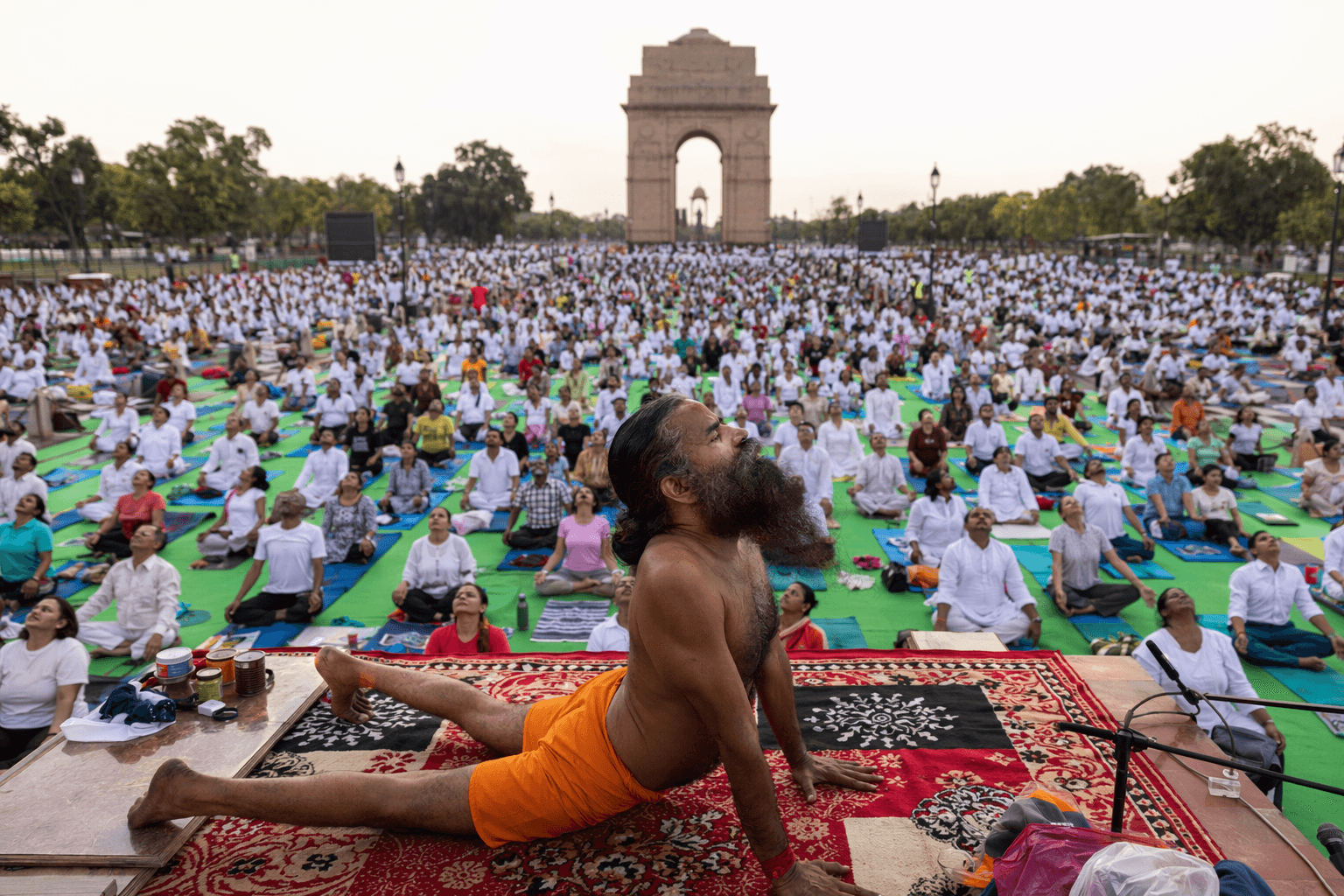
India moved quickly to build its own institutional machinery around that message. The Ministry of Ayush was formed on 9 November 2014 to promote Ayurveda, Yoga and other traditional systems of medicine, and official Ayush materials have continued to push large-scale International Day of Yoga programming in 2024 and 2025. Narendra Modi and senior Indian officials have repeatedly framed yoga as part of India’s soft power and cultural identity, turning an individual practice into a public-facing national project.
The argument over Bagree’s post lands in the gap between that state-backed image and what people actually do. A Pew Research Center survey found that just 35% of Indian adults said they ever practice yoga, while 7% said they do so daily and 6% weekly. That is a far smaller footprint than the public celebration suggests, even as a Ministry of Ayush-linked report said a survey commissioned by the ministry found nearly one in four people in India had incorporated yoga into their lifestyle.
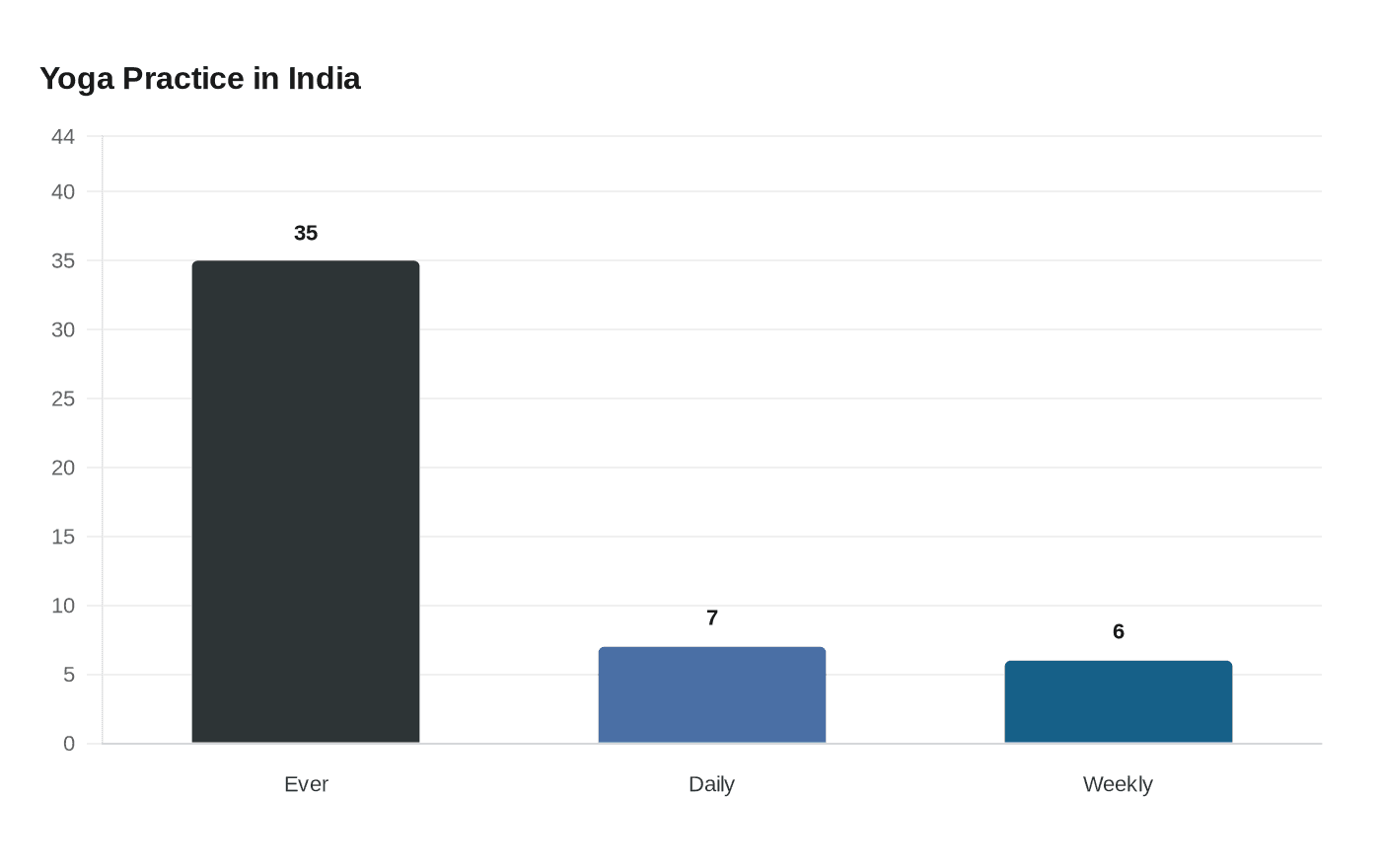
That tension helps explain why a simple yoga graphic can still ignite such outsized reaction in India. For some, the practice is inseparable from heritage and the country’s diplomatic push behind International Day of Yoga. For others, the replies about history, identity and politicization show a sharper question: whether yoga is now a mass habit across India, or still a highly symbolic marker that the state and its critics keep using to argue over who gets to define the practice.
Know something we missed? Have a correction or additional information?
Submit a Tip