Bhakti yoga conference draws 7,000, explores sacred community
More than 7,000 people joined a free global bhakti gathering, with replays now extending its reach far beyond the live sessions.
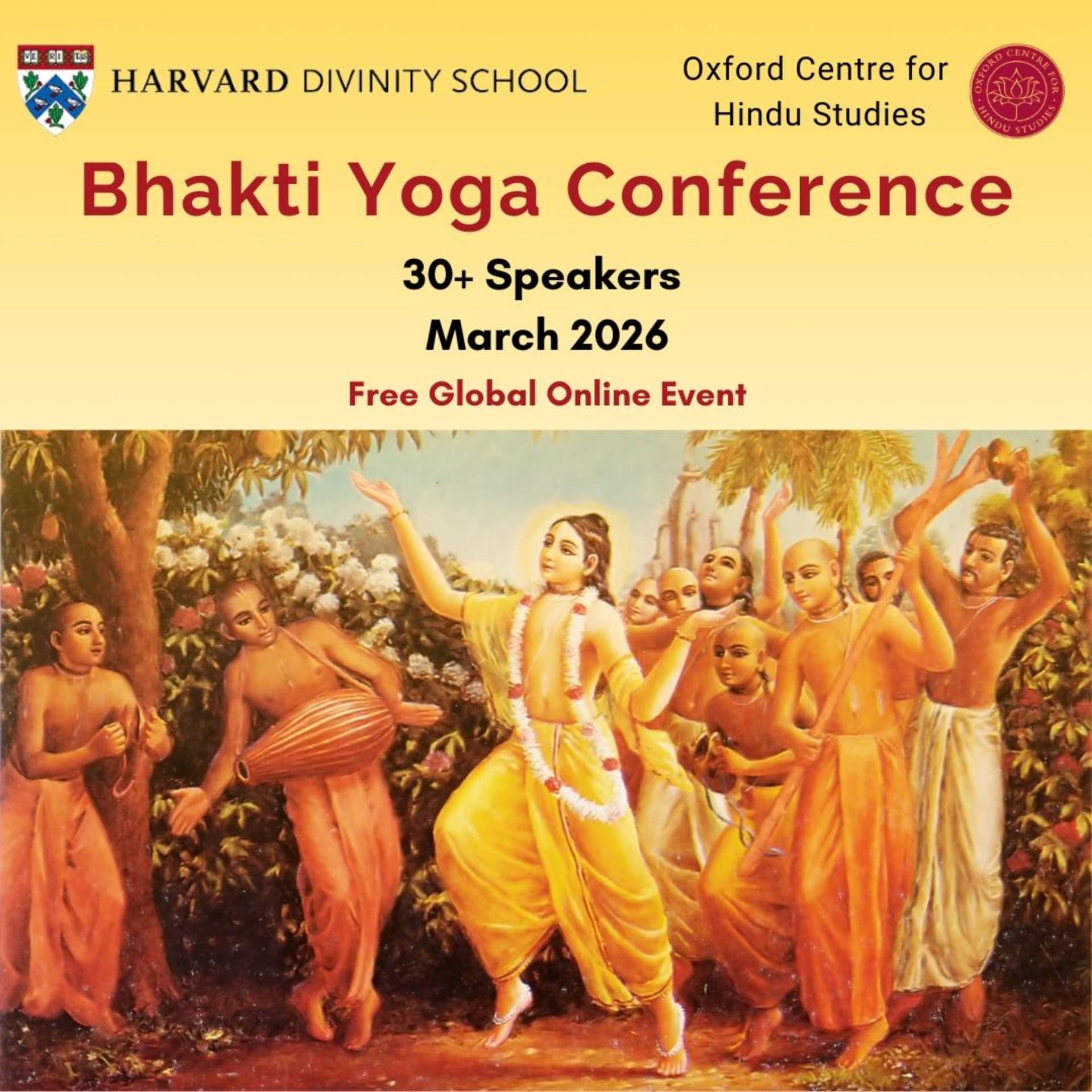
A free bhakti yoga conference drew more than 7,000 online participants from around the world, turning a month of programming into a global lesson in how devotional practice now gathers beyond the studio.
The second annual Bhakti Yoga Conference centered on “Sacred Community: Walking the Path of Love Together,” a theme that organizers tied to a response to fragmentation, isolation and spiritual disconnection. The event was fully online, open worldwide and recorded in full, giving the talks a longer life than the live calendar alone could provide.
The strongest entry points for readers new to bhakti are the opening and closing sessions, which framed the conference with unusual institutional weight. The conference began with a livestream from Harvard Divinity School on March 6 at 10 a.m. ET, featuring S.B. Keshava Swami and Rev. Dr. Dean Teddy Hickman-Maynard, associate dean for ministry studies. It concluded with a session from the Oxford Centre for Hindu Studies on April 23 at 9 a.m. ET, with Radhanath Swami and Shaunaka Rishi Das. Rasananda Das said that arc created a “meaningful arc” that brought scholarship and lived devotion into dialogue.
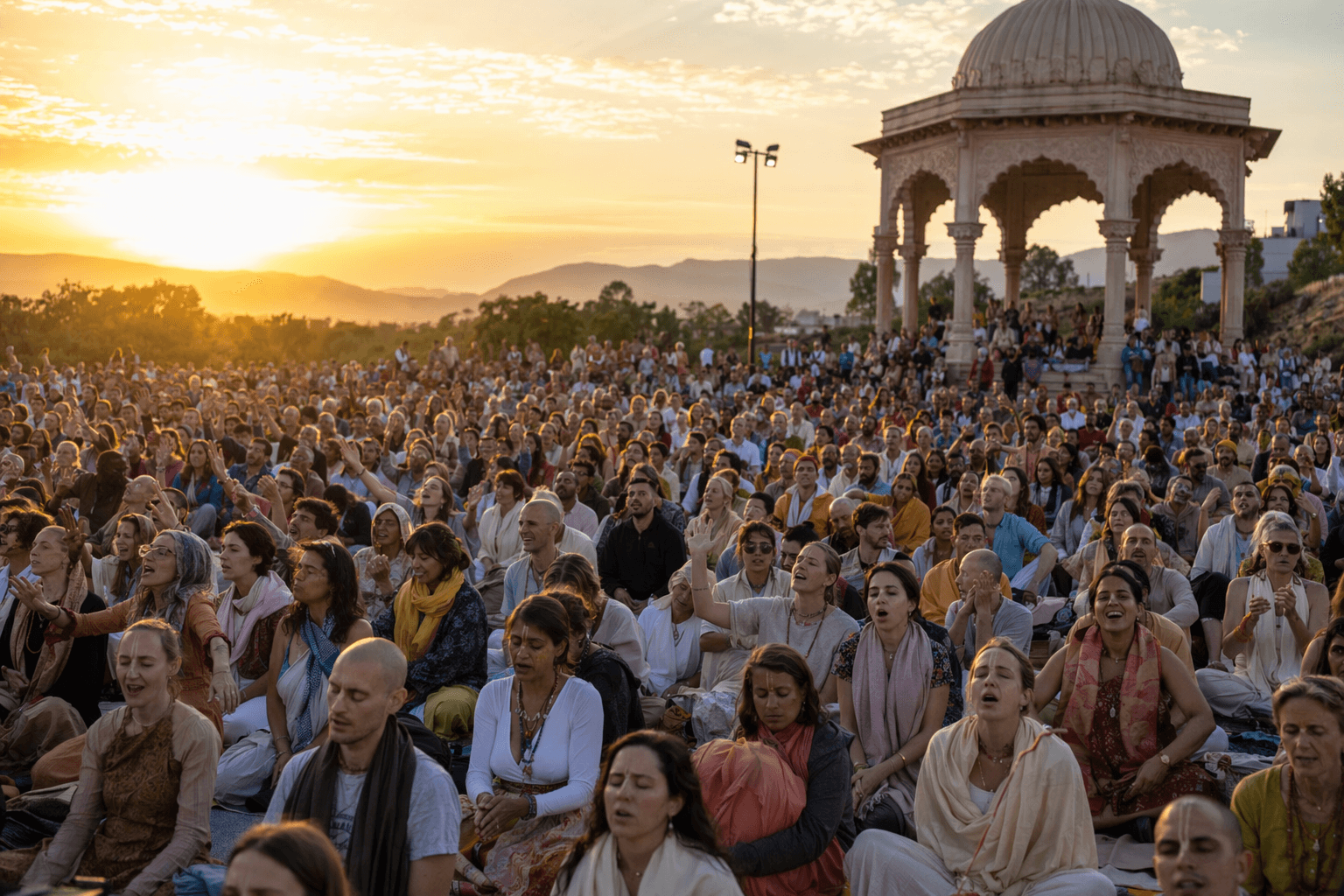
Conference materials said the gathering brought together 30-plus to 40-plus scholars, spiritual teachers and thought leaders from places including Harvard Divinity School, Oxford Centre for Hindu Studies, Columbia University, Princeton University, Stanford University and the Bhakti Recovery Group. For anyone trying to understand what bhakti looks like in contemporary practice, the schedule widened the lens beyond chanting and ceremony into multispecies community, the awakened brain, sacred music, family and religion in uncertain times, future leaders and dharmic service.
That breadth is what made the replay library especially useful. Sessions on sacred music and bhakti in action show how devotion becomes communal culture and daily practice, while the talks on family, leadership and service make the tradition legible to readers looking for an accessible way in. Rasananda Das said the presentations were designed to be “accessible, heartfelt, and practical” for practitioners at many stages of the path, and the free replays keep that promise open long after the live gathering ended. The organizers have already pointed to the next conversation, announcing that the 2027 theme will be “The Essential Role of Women in Sacred Community.”
This article was produced by Prism’s automated news system from verified source data, official records, and press releases, then run through automated quality and moderation checks before publishing. The system is built and supervised by the people who set the standards it runs under. Read our full AI policy.
Did this article answer your question?