Gentle yoga shows broad benefits for cancer survivorship, study finds
Rochester’s latest survivorship data says 4 weeks of gentle yoga eased mood, anxiety, fatigue and insomnia, giving clinicians a low-strain option worth recommending.

Gentle yoga is getting harder to dismiss as just wellness wallpaper
Gentle yoga is starting to look like a real survivorship tool, not just a nice extra for patients trying to get their energy back. University of Rochester Medicine is spotlighting a phase 3 randomized trial from the Wilmot Cancer Institute that went beyond the usual exercise-and-cancer talking points and found benefits across mood disturbance, anxiety, fatigue and insomnia.
The work was significant enough for the American Society of Clinical Oncology to put it on the program for its 2026 annual meeting in Chicago, where it is listed as abstract 12004. That matters because ASCO also says there is still no single gold-standard behavioral treatment for the symptom cluster cancer survivors keep bringing up most: mood problems, anxiety, fatigue and poor sleep.
What the Rochester trial actually tested
This was not a generic yoga-for-everyone experiment. The study was a nationwide phase 3 randomized controlled trial involving 410 adult cancer survivors in the United States who were not regular yoga participants, and ASCO’s patient summary says the group was made up of people with sleep problems. The average participant age was 54, and nearly all were White women, which is useful to know before anyone tries to stretch these results into a one-size-fits-all answer.
Half the participants received standard follow-up care. The other half got standard care plus a four-week yoga program, three times a week, for a total of 180 minutes. That short, structured dose is one of the most practical things about the study: it is specific enough to imagine inside a survivorship clinic, but not so intense that it feels like a second workout regimen layered onto treatment recovery.
Why the style of yoga matters
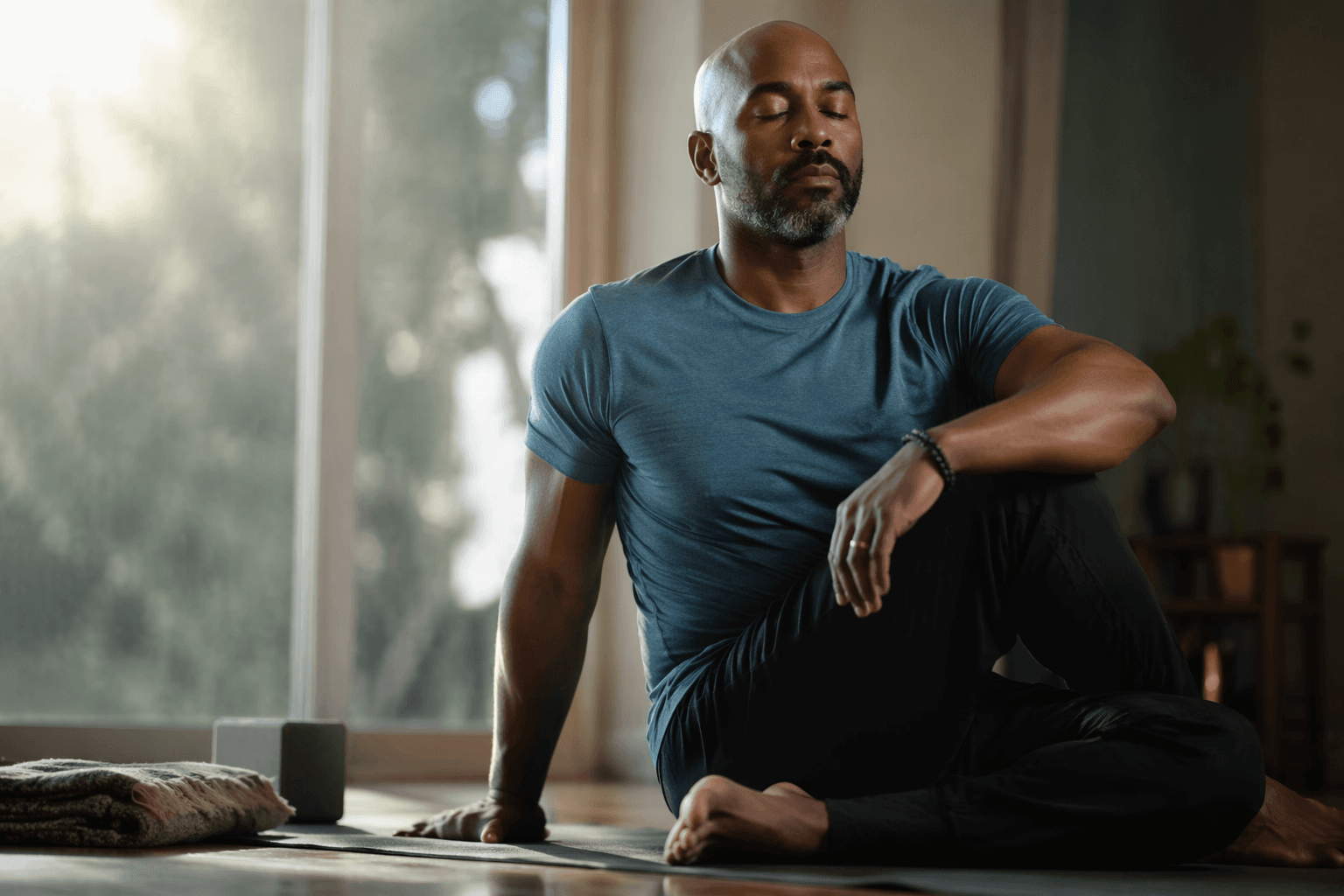
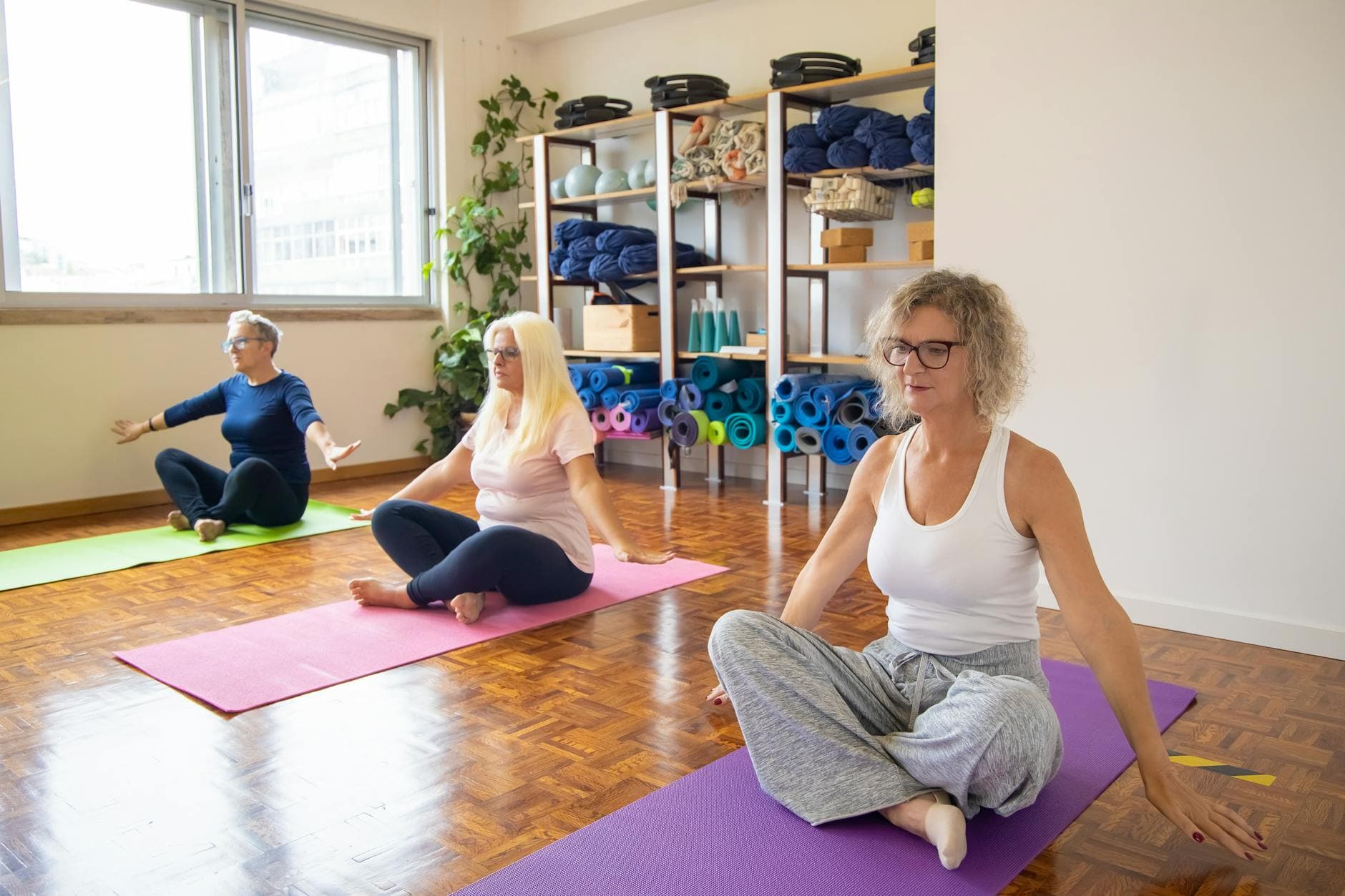
The yoga used here was gentle Hatha and restorative yoga, not Vinyasa Flow and not Hot Yoga. That distinction is not cosmetic. It is the whole point of the intervention, because the program was intentionally built to minimize strain while still producing measurable benefit.
For cancer survivors, that matters more than yogis sometimes admit. A lot of people in survivorship are not looking for a sweat-drenched class or a performance goal, they are looking for something that calms the nervous system, loosens stiffness and does not wipe them out afterward. This study is a reminder that the exact style of yoga changes the outcome, and that the gentle end of the spectrum may be the one most worth recommending when fatigue, pain, sleep disruption or deconditioning are in the picture.
What improved, and why that reaches beyond comfort
The clearest signal from the trial is that the intervention improved more than the issues most often studied in exercise-and-cancer research. The reporting around the study says it helped not only with fatigue and insomnia, but also with broader physical and psychological side effects, including mood disturbance and anxiety.
That is the part survivorship teams will care about, because these symptoms do not travel alone. Bad sleep makes fatigue worse, fatigue drags down mood, mood problems make it harder to keep moving, and the cycle can become its own chronic burden long after treatment ends. The ASCO framing also notes a larger medical implication: severe sleep and fatigue problems in survivors have been linked to poorer heart health, which pushes the conversation well past simple stress relief.
How this is being translated into survivorship care
Karen Mustian, the senior author, is a dean’s professor of Surgery and associate director of Population Science at Wilmot, and the earlier Rochester work around this program has already made her name familiar in integrative oncology. The message from this new trial is blunt: clinicians should not hesitate to recommend gentle yoga to patients entering survivorship.
That is a meaningful shift from the old habit of treating yoga as a vague wellness suggestion. Rochester’s research program, through the University of Rochester NCORP Research Base and Wilmot, has been building this case for years. An earlier randomized phase II/III study enrolled 410 early-stage cancer survivors between 2006 and 2009, mostly women with breast cancer, and that program helped lay the groundwork for the specialized yoga approach Mustian developed.
The new phase 3 result is not an isolated flash of optimism. It is part of a longer line of survivorship research that keeps circling the same clinical problem: survivors need help with sleep, fatigue and quality of life, and the options do not have to start with medication to be meaningful.
What to take from it if you are planning care or classes
The practical takeaway is straightforward: if you are recommending yoga in survivorship, the evidence here points to slow, restorative, low-strain work, not the toughest class on the schedule. The strongest case is for people with sleep trouble, fatigue and emotional strain, especially those who are not already regular yoga practitioners and may need an entry point that feels safe instead of aspirational.
What this study does not say is just as important. It does not turn yoga into a cure-all, and it does not prove that every survivor population will respond the same way, especially given how skewed the sample was toward White women. But it does give clinicians and programs something concrete to work with: a four-week, three-times-a-week gentle Hatha and restorative protocol that improved several of the exact symptoms survivors bring up most often.
That is why this story lands. It is not yoga as fantasy or filler. It is yoga as a measured, low-risk part of survivorship care, and Rochester’s latest data makes the case that the gentlest classes may be the ones with the clearest clinical edge.
This article was produced by Prism’s automated news system from verified source data, official records, and press releases, then run through automated quality and moderation checks before publishing. The system is built and supervised by the people who set the standards it runs under. Read our full AI policy.
Did this article answer your question?