Glaucoma and yoga inversions can spike eye pressure in minutes
Head-down poses can raise eye pressure within a minute, and the bump usually fades within 2 minutes. For glaucoma, the safest fix is a class modification, not a bigger backbend.
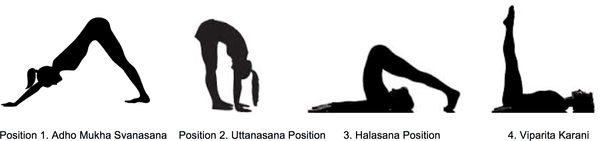
Four common yoga poses raised intraocular pressure within one minute in a PLOS ONE study of people with glaucoma and people without it. The concern is the head-down ones, especially the postures that tip the head below the heart and keep it there. Jessica V. Jasien, Jost B. Jonas, C. Gustavo de Moraes, and Robert Ritch found that the pressure then eased back to baseline after the posture ended.
Which poses spike pressure fastest
The four poses tested
The study measured pressure changes in Adho Mukha Svanasana, Uttanasana, Halasana, and Viparita Karani. In plain yoga-room language, that means downward-facing dog, standing forward fold, plow, and a supported inversion. All four produced a significant rise in intraocular pressure, and pressure returned to baseline values within about 2 minutes after the pose ended.
The spike happened fast enough that a single long hold can matter. The study did not label yoga itself as harmful; it showed that the geometry of the pose, not just the effort level, changes the pressure inside the eye.
What to watch most closely
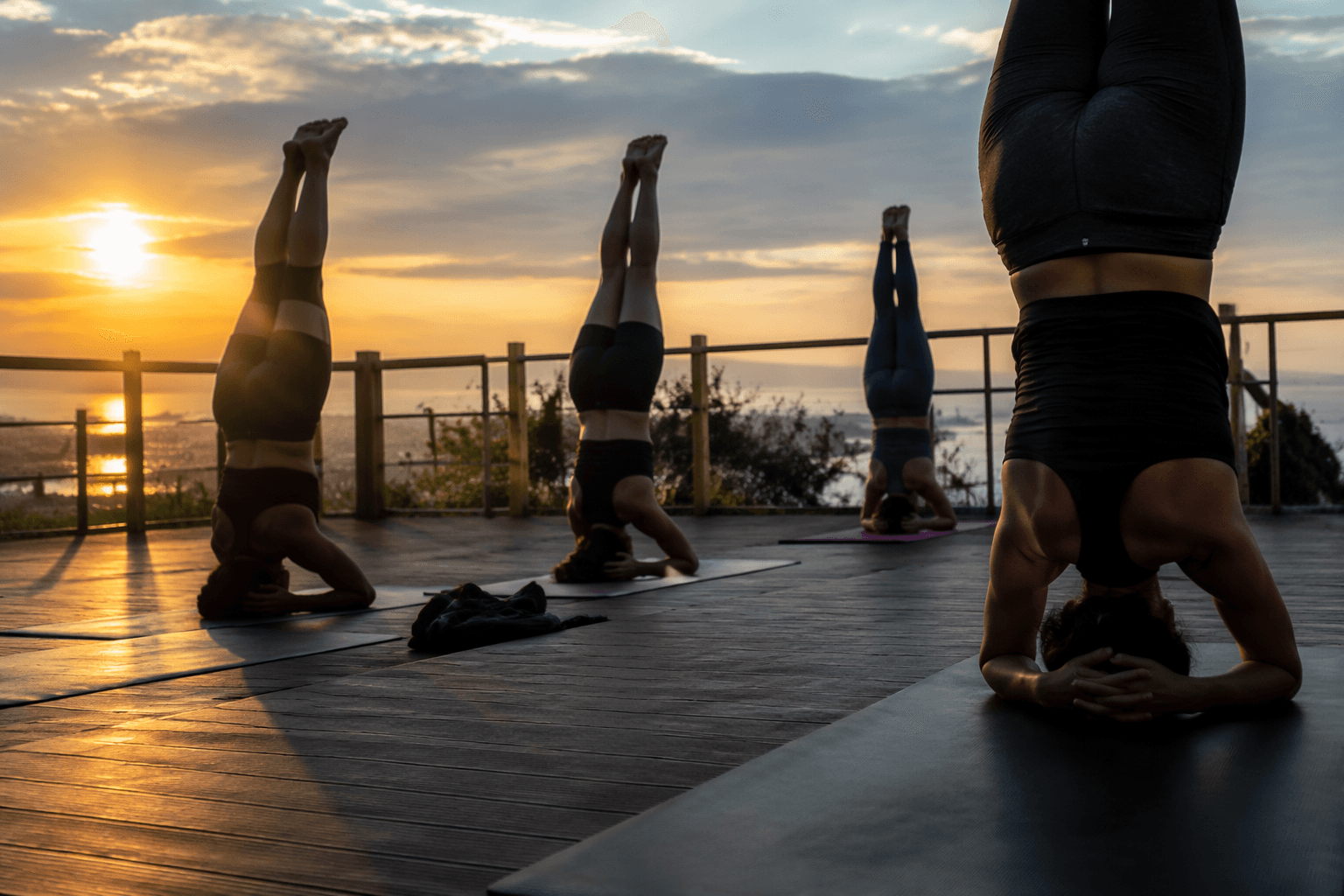
The biggest concern in later eye-care guidance is not every floor pose, but any posture that puts the head below the heart for long periods. Downward-facing dog, deep forward folds, plow, shoulder stand, and headstand variations are the names most often flagged for people with glaucoma, ocular hypertension, or a recent eye procedure. The problem is not just the inversion itself; longer holds increase the amount of time the eye spends under that pressure load.
Why glaucoma doctors take this seriously
Glaucoma is tied to optic nerve vulnerability, so even brief pressure spikes get attention. A 2007 case report described worsening glaucomatous visual field loss in a patient who practiced Sirsasana, the headstand posture, daily for many years. A 2010 review on body position in glaucoma also cited yoga-related intraocular pressure increases and found that pressure returned to baseline within 2 minutes.
That older case report does not prove that every inverted flow will damage every person with glaucoma. The newer study compared people with glaucoma and people without it in the same set of postures, and it found the same rapid pressure rise in both groups.
What ophthalmologists and yoga teachers agree on
The American Academy of Ophthalmology says ophthalmologists are often asked about exercise, especially yoga, and that considerable uncertainty remains because the science is still unfolding. The American Optometric Association and the Glaucoma Research Foundation warn that inverted or head-down poses can increase eye pressure, particularly when they are held for long periods. Yoga is not automatically off-limits, but full inversions deserve individualized medical advice.
Yoga teachers and eye doctors tend to converge on the same practical fixes. Keep the head level with or above the heart when you can, shorten long holds, move more slowly in and out of transitions, and use props to change the shape rather than muscling through the textbook version.
What to ask for in class
If you have glaucoma, or you are being watched for it, the most useful questions are specific. Ask for the shape that keeps your head out of the inversion while preserving the stretch, breath, and balance work you came for.
- For downward-facing dog, ask for tabletop at the wall or hands on blocks so the head stays higher.
- For standing forward folds, ask for a half lift, hands on blocks, or a fold that stops well before the head drops low.
- For plow, shoulder stand, or headstand work, ask to skip the inversion and take a neutral resting shape instead.
- For supported inversions, ask whether a fully upright or gently reclined option can replace the head-below-heart setup.
- If your teacher is cueing a long hold, ask for a shorter hold and an earlier exit, especially in any pose that changes head position.
A safer routine usually favors upright standing poses, seated work, and gently reclined positions where the head stays level with or above the heart. Props like a wall, chair, bolster, blanket, or blocks are useful because they let the class keep moving without forcing you into a full inversion.
The nuance the newer research adds
A 2023 systematic review and meta-analysis on yoga and intraocular pressure, along with a 2023 narrative review that discussed a randomized trial of Jyoti-Trataka in diabetic patients with high-tension primary open-angle glaucoma, show that yoga-related practices are still being studied for both risk and possible benefit. A 2023 prospective observational study in healthy practitioners also found that some head-below-heart positions did not create the same sustained pressure rise seen in the glaucoma-focused research, which is why pose type, hold time, and diagnosis all matter.
If you have glaucoma, ocular hypertension, a recent eye procedure, or symptoms such as eye pain or blurred vision, the right move is to ask for individualized guidance before the first inversion of class.
This article was produced by Prism’s automated news system from verified source data, official records, and press releases, then run through automated quality and moderation checks before publishing. The system is built and supervised by the people who set the standards it runs under. Read our full AI policy.
Did this article answer your question?