Gurudev Sri Sri Ravi Shankar eyes yoga, Ayurveda expansion in Russia
Russia’s state-linked institutions may soon host more yoga and Ayurveda, as Gurudev Sri Sri Ravi Shankar pushed expansion from prisons to campuses in Yekaterinburg.

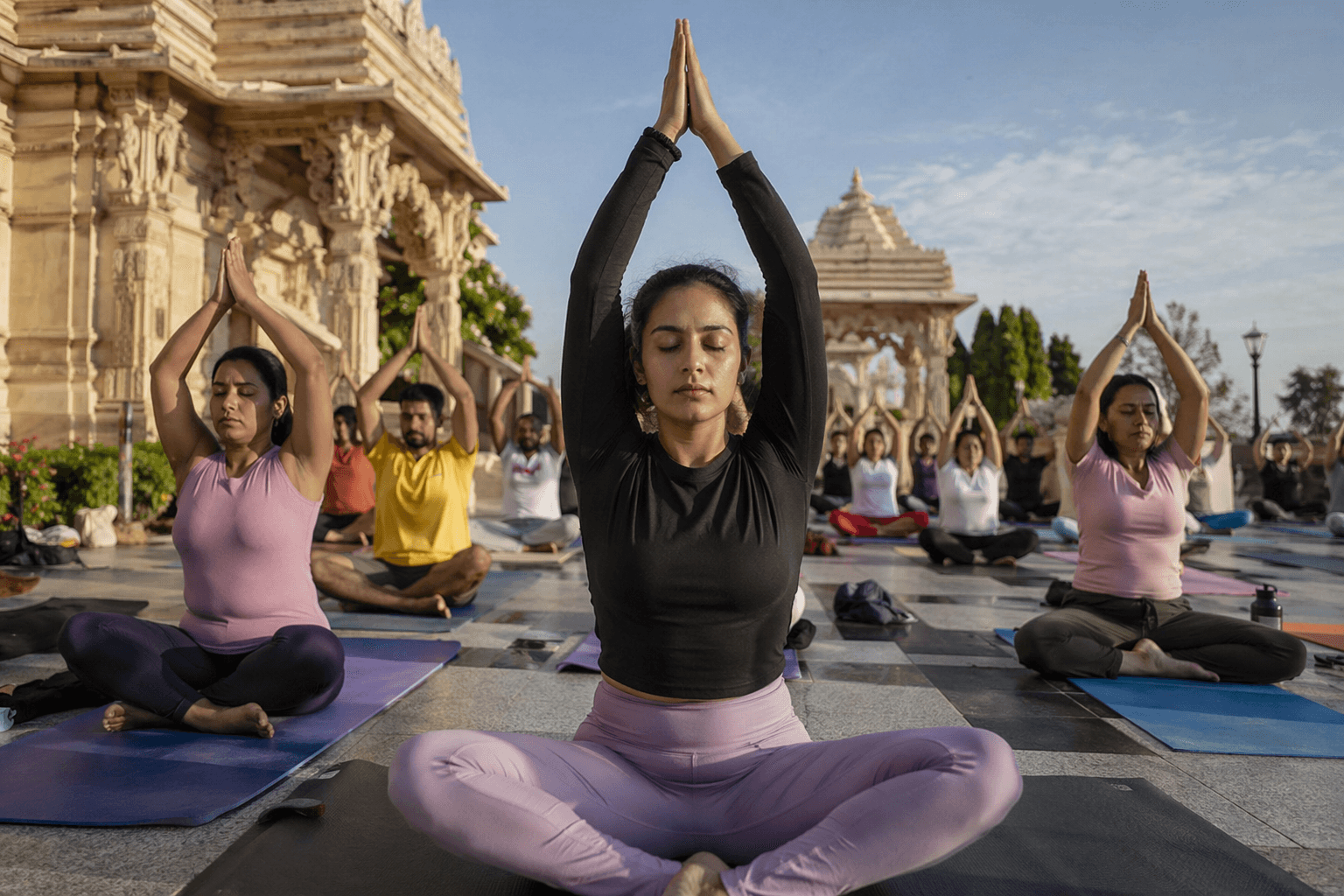
Gurudev Sri Sri Ravi Shankar used his stop in Yekaterinburg to push yoga and Ayurveda far beyond the private studio. The discussion centered on prisons, schools and colleges, a sign that The Art of Living is looking to move deeper into Russia’s state-linked systems, where wellness can quickly become policy, rehabilitation or soft power.
The city itself gives the trip added weight. Yekaterinburg is the administrative center of Sverdlovsk Oblast and one of the major industrial hubs in Russia’s Ural Federal District. It also matters in the India-Russia relationship: India has opened new Consulates General there and in Kazan, and Russia’s Foreign Ministry maintains a representative office in Yekaterinburg for the wider Urals region. Gurudev’s own schedule listed a Yekaterinburg event on June 2, 2026, putting the city on the map for a broader institutional push.
At the center of the visit was a meeting with Dmitry Anatolyevich Morozov, chairman of the State Duma Health Committee, where the discussion focused on including yoga and Ayurveda in Russian medicine. That is the real stakes question here: whether these practices stay framed as personal wellness tools, or whether they become part of official public health, rehabilitation and education programs. In Russia, that distinction matters, because once a practice enters a prison, a school or a university campus, it usually comes with oversight, bureaucracy and a different kind of legitimacy.
The Art of Living already has a model for that kind of expansion. The organization says it operates in 182 countries and has touched more than 1 billion people. Its prison rehabilitation program, Prison SMART, was built to help inmates and staff manage anger and stress, which explains why prisons are such a natural next step in this conversation. The group has also signed memorandums of understanding with 11 universities and colleges in India to promote mental health and wellness on campuses, another clue that this is not just a one-off appearance but a repeatable institutional template.
Ayurveda brings a different layer. A peer-reviewed history of Ayurveda in Russia traces modern development there to 1989 and says interest rose after the Chernobyl disaster. A 2025 review noted that Russian Ayurvedic clinics often operate under wellness or spa licenses because the country does not have a dedicated legal status for traditional medicine. The World Health Organization classifies yoga and meditation as part of traditional medicine, and it established the WHO Global Traditional Medicine Centre in 2022 with support from the Government of India.

That leaves Yekaterinburg as more than a stop on a calendar. It is where yoga and Ayurveda are being tested as public systems, not just personal habits, and where the next phase will depend on who oversees them and how far Russia is willing to let a spiritual-wellness model enter its institutions.
This article was produced by Prism’s automated news system from verified source data, official records, and press releases, then run through automated quality and moderation checks before publishing. The system is built and supervised by the people who set the standards it runs under. Read our full AI policy.
Did this article answer your question?