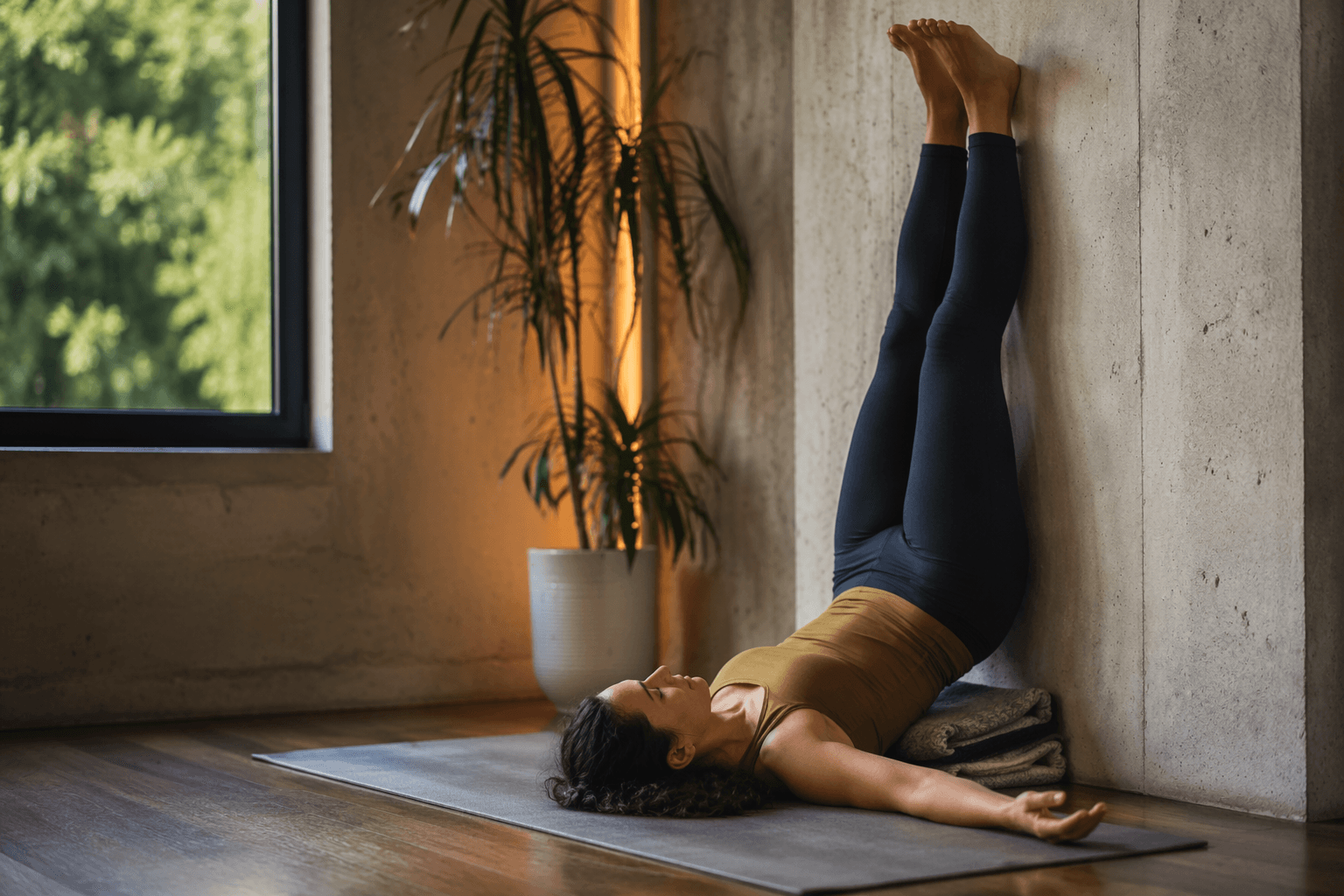
Harvard study finds eight weeks of yoga improved sleep for insomnia sufferers
Eight weeks of yoga helped chronic insomnia sufferers fall asleep 30% faster and sleep 37 minutes longer in a Harvard study.
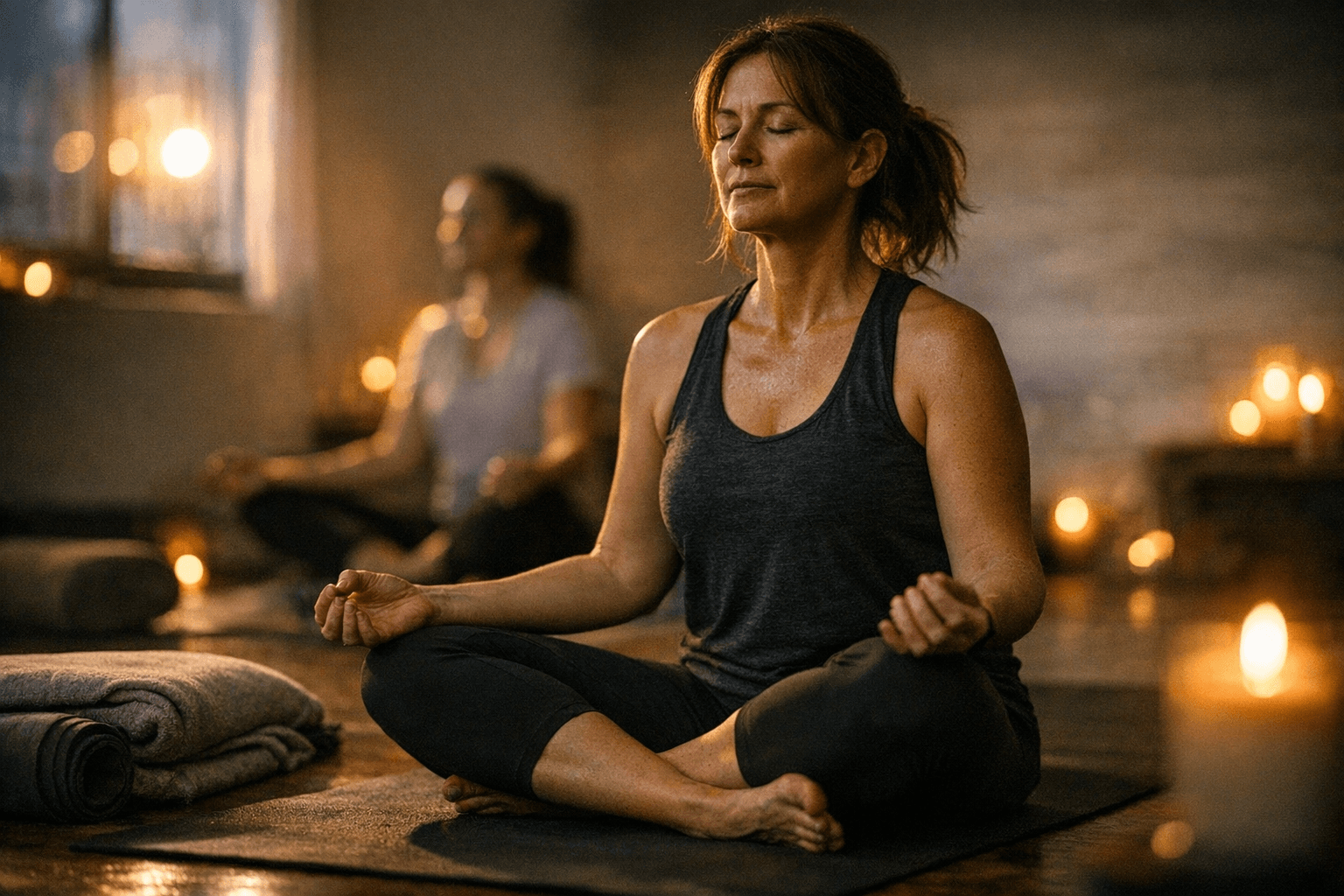
A Harvard Medical School pilot study found that eight weeks of yoga helped chronic insomnia sufferers fall asleep 30% faster and gain 37 minutes of nightly sleep, a result that stands out because the program was simple, repeatable and mostly done at home.
The trial, published in December 2004 in Applied Psychophysiology and Biofeedback, enrolled people with sleep-onset and sleep-maintenance insomnia, including both primary and secondary insomnia. Participants kept sleep-wake diaries for a two-week baseline period, then followed an eight-week yoga intervention after a single in-person training session and brief follow-up support. Twenty people completed the protocol, and the study reported statistically significant improvements in sleep efficiency, total sleep time, total wake time, sleep onset latency and wake after sleep onset. Researchers also highlighted five key poses used in the routine.
Harvard Health later put the finding in plainer language: in one insomnia study, participants fell asleep 37% faster after eight weeks of yoga, compared with 28% for people who received only sleep advice. In another small study, 20 people doing a 30-minute Kundalini practice every night before bed slept 36 minutes longer on average after eight weeks. Sat Bir Singh Khalsa, the Harvard Medical School researcher tied to the work, has said yoga may help by reducing stress, anxiety and arousal, which fits the way many insomnia patients describe the problem: the body is tired, but the nervous system will not power down.
That matters because yoga is not being presented here as a replacement for standard insomnia treatment. Harvard Medical School Sleep Medicine says cognitive behavioral therapy for insomnia remains the recommended first-line treatment for adults, and the American Academy of Sleep Medicine strongly recommends multicomponent CBT-I for chronic insomnia. The National Center for Complementary and Integrative Health says relaxation therapy can be used as a single-component treatment, but the evidence for other approaches is more limited.
The practical takeaway is narrower, and more useful, than a lot of wellness hype: a short evening practice may help people with chronic insomnia, especially those whose sleep problems are tied to hyperarousal, but the strongest role for yoga is as a complement to CBT-I and other clinical care. For anyone looking for a realistic version of the protocol, the Harvard study points to a modest home practice supported by basic instruction, not an expensive class package or a complicated flow sequence.
This article was produced by Prism’s automated news system from verified source data, official records, and press releases, then run through automated quality and moderation checks before publishing. The system is built and supervised by the people who set the standards it runs under. Read our full AI policy.
Did this article answer your question?