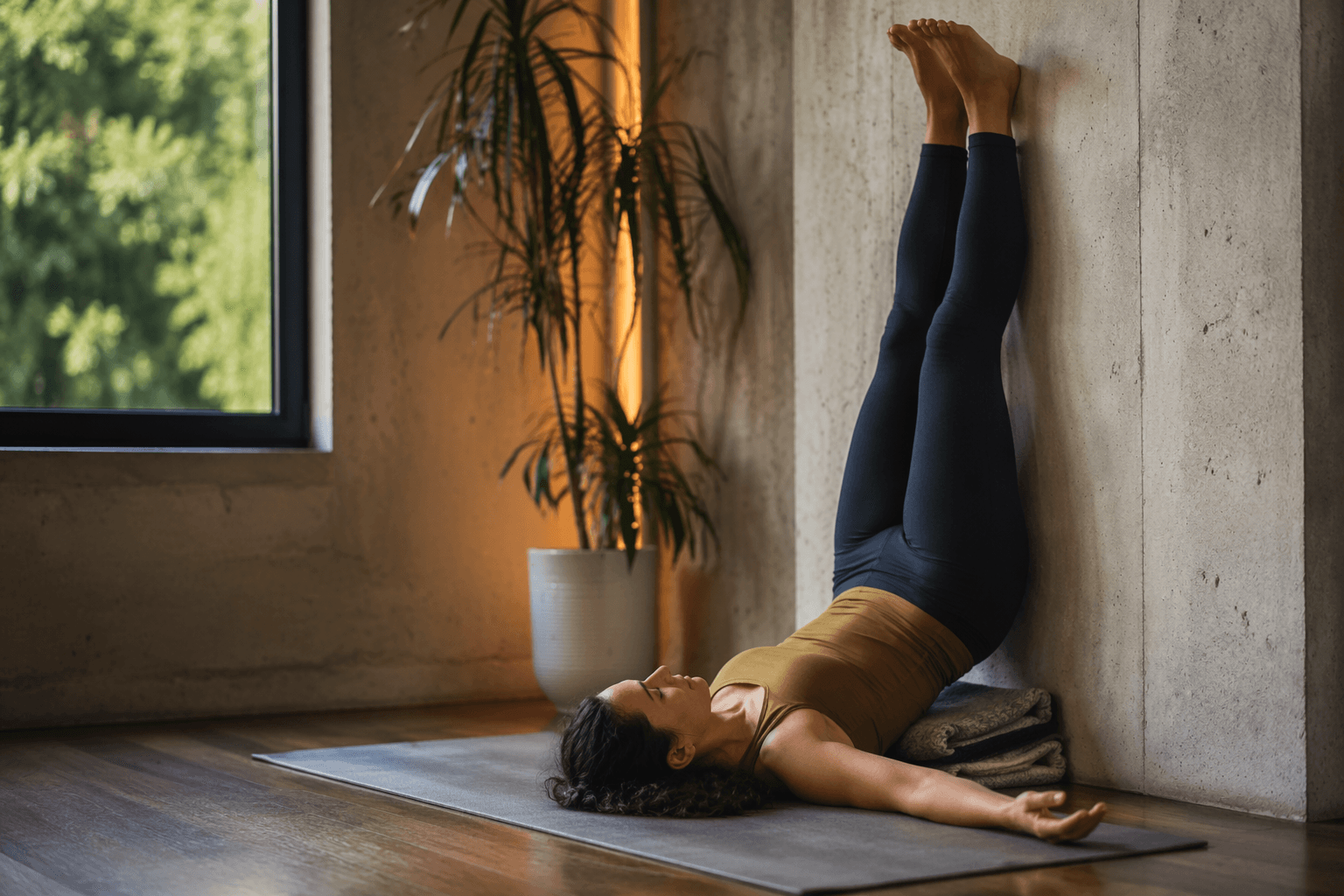
Hot Yoga of East Nashville Adds 60-Minute Restorative Classes for Stress Relief
Hot Yoga of East Nashville, a 13-year best-studio honoree, added a 60-minute restorative class this week as studios nationwide pivot toward slower, nervous-system-first formats.
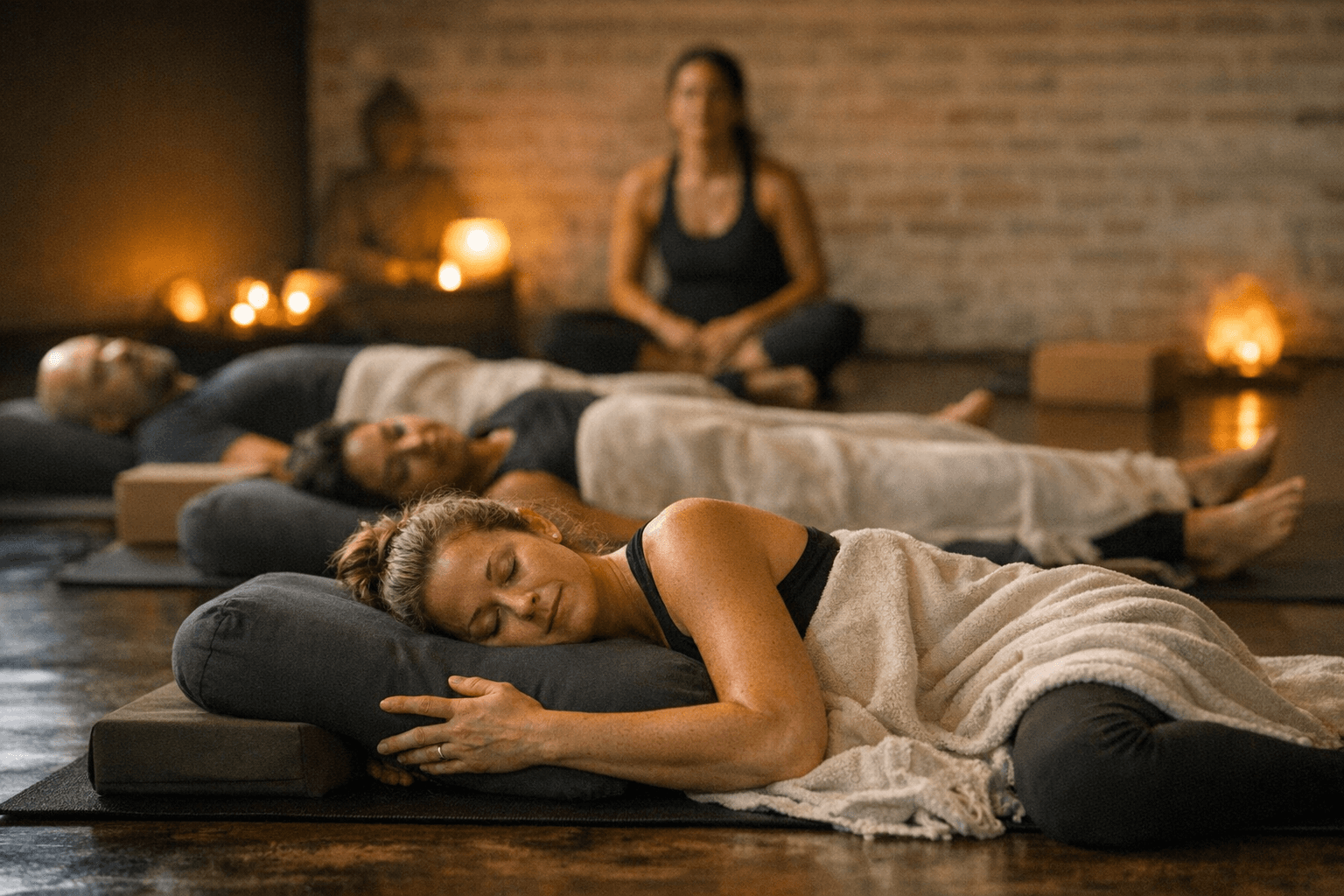
Hot Yoga of East Nashville, voted the city's best yoga studio for 13 consecutive years, added a 60-minute restorative yoga class to its schedule, responding to what the studio described as direct client requests for longer, supported, and therapeutic sessions.
The timing tracks with a measurable industry shift. According to 2024 CDC data, roughly one in six U.S. adults now practice yoga, with 80 percent doing so to improve health and 30 percent specifically to manage pain. In group exercise settings, restorative and gentle formats already account for 10 percent of class attendance, and studios that have introduced dedicated restore and slow-flow offerings, including multi-location operators like Y6 Studio, have reported those formats among their fastest-growing by enrollment. The driver is consistent: practitioners are seeking structured recovery to counter burnout and workout fatigue, not just another place to sweat.
At Hot Yoga of East Nashville, the new 60-minute session is built around props, specifically bolsters, blocks, and blankets. A typical class moves through five or six supported postures held for several minutes each, long enough for connective tissue to release without any muscular effort required to sustain the shape. What actually happens in the room is less about movement and more about what the nervous system does when the body stops bracing. Each posture is designed to activate the parasympathetic nervous system, the branch governing rest, digestion, and cellular repair, which is why practitioners often leave a restorative class feeling physically heavier and mentally quieter than when they arrived. The studio layers in guided breathwork and short meditative segments to deepen that effect, and its instructors are trained to offer hands-on adjustments and modifications for students managing mobility limitations or chronic pain.
The class targets three overlapping groups: people dealing with chronic stress or disrupted sleep, athletes and power-yoga practitioners who need structured recovery between harder sessions, and older or clinical populations for whom heat and high effort are contraindicated. That last group matters strategically for a studio that already runs 104-degree Bikram-method Hot 26 classes and Buti yoga alongside unheated vinyasa flows. Adding restorative extends the studio's range across the full intensity spectrum and opens realistic referral pathways from local physical therapists and integrative health providers looking for somewhere to send patients who need movement but cannot yet tolerate vigorous practice.
If you want to preview the format before booking, a functional at-home setup requires almost nothing. A firm bed pillow or couch cushion substitutes for a bolster, a folded bath towel works as a block, and a spare blanket handles both warmth and light eye coverage. Set up in supported reclined bound angle pose: lie back over the pillow with the soles of your feet together, drape the blanket across your torso, and hold it for five to eight minutes with slow nasal breathing. That single shape gives you an honest read on what parasympathetic activation in a full class actually feels like.
Before booking a first restorative session at any studio, ask three things: whether the room is heated, whether props are provided or need to be brought, and whether the instructor holds restorative or trauma-informed training beyond a standard 200-hour certification. Those answers shape the experience considerably, and a studio that fields them directly is one worth trusting with 60 minutes of your nervous system.
This article was produced by Prism’s automated news system from verified source data, official records, and press releases, then run through automated quality and moderation checks before publishing. The system is built and supervised by the people who set the standards it runs under. Read our full AI policy.
Did this article answer your question?