Ishan Shivanand wins Nautilus Gold as breathwork goes mainstream
Shivanand's Nautilus Gold puts breathwork in the same conversation as corporate wellness and clinical care, with Google, Rutgers and PubMed studies behind the claim.
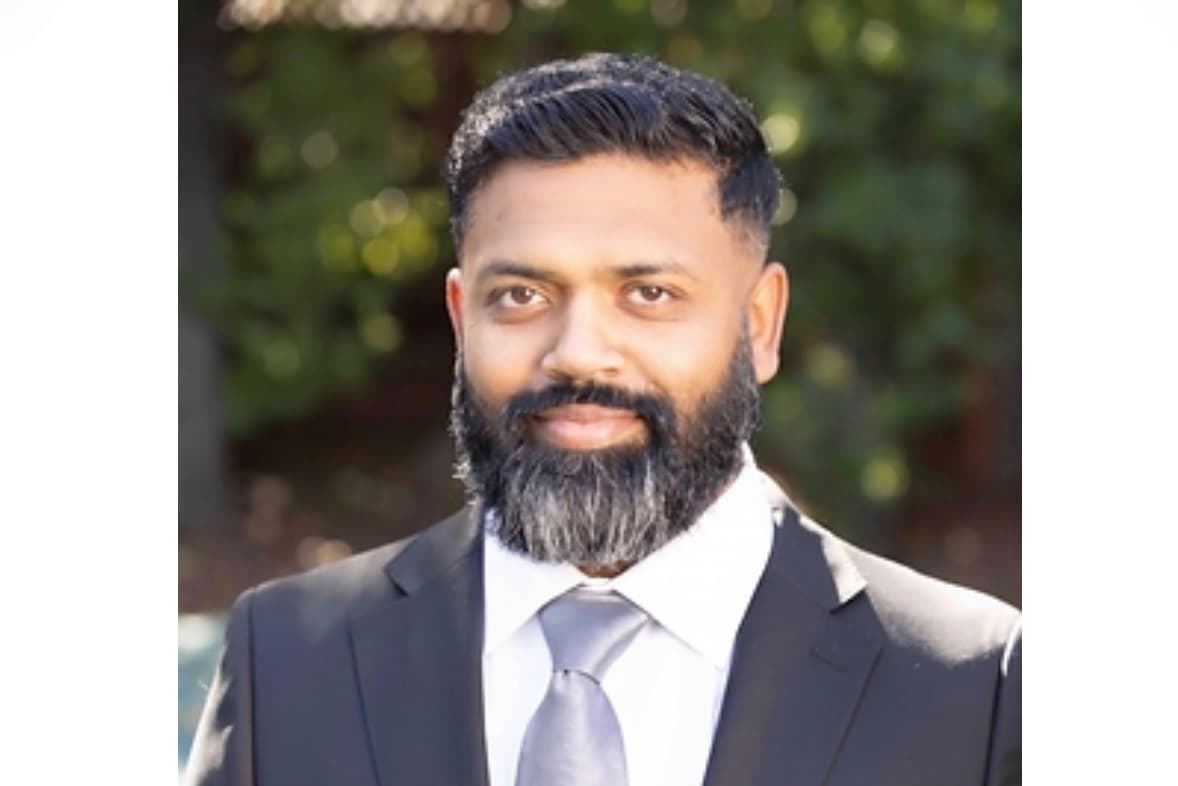
Ishan Shivanand’s Gold win at the 2026 Nautilus Book Awards lands less like a bookstore trophy and more like a marker of where breathwork is headed. The award recognizes The Practice of Immortality: A Monk's Guide to Discovering Your Unlimited Potential for Health, Happiness, and Positivity in the 24A Religion / Spirituality of Eastern Thought category, with Hachette listed as the publisher.
That matters because the story around Shivanand is no longer just about a meditation teacher or a yoga-adjacent memoir. The award places him in a line of Nautilus honorees that includes His Holiness the Dalai Lama, Thich Nhat Hanh, Brené Brown and Eckhart Tolle, but the bigger shift is the setting his work has moved into. The release says his clinically validated meditation and breathwork protocols are used by Google, Rutgers University and more than 100,000 people worldwide every day. That is the kind of adoption yoga studios talk about when they want proof that a practice has moved beyond the mat.

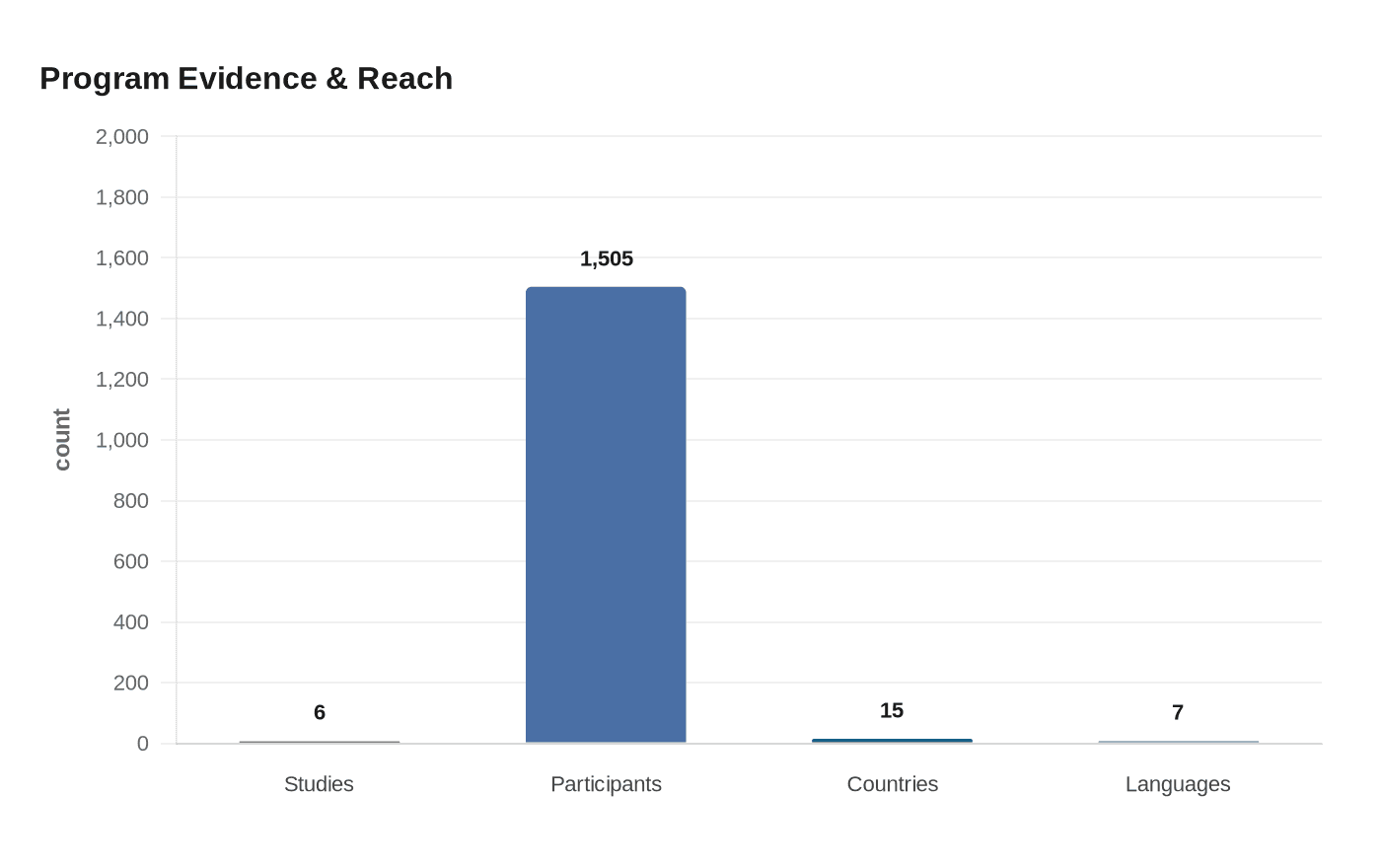
The evidence behind that claim is not thin. Shivanand’s Yoga of Immortals program has been tied to six PubMed-indexed studies with collaborators at the University of Cincinnati College of Medicine, the University of Kentucky College of Medicine and Rutgers University. A 2021 Frontiers in Psychiatry study enrolled 1,505 participants and found that eight weeks of YOI use produced significant reductions in depression, anxiety and insomnia. The same study noted that people who already had depression or generalized anxiety saw larger drops in PHQ-8 and GAD-7 scores than participants without those diagnoses.
Another app-based YOI study focused on insomnia and used baseline, four-week and eight-week surveys after starting the intervention on May 15, 2020. It was built as a prospective cohort study and framed YOI as a remote, flexible treatment option, which fits the way wellness, work and care have blurred since the pandemic pushed more people into home-based practice.
Shivanand’s latest recognition also comes after his Literary Titan Gold Book Award in December 2025, making this his second international honor in less than a year. The release says he has also been recognized by the U.S. Congress, received by the U.K. Parliament and invited to the White House to advise on the opioid crisis, all of which strengthens the case that his work now sits at the intersection of yoga, public health and institutional wellness.
The book’s reach matches that trajectory. It was published by Hachette in the U.S. and by Penguin Random House in the U.K. and India, reached the top of Amazon India quickly, and is now available in 15 countries and seven languages. For yoga readers, the signal is plain: breathwork is no longer being treated as a studio-side extra. It is being tested, adopted and awarded in the same rooms where employers, universities and health systems now decide what counts as credible.
This article was produced by Prism’s automated news system from verified source data, official records, and press releases, then run through automated quality and moderation checks before publishing. The system is built and supervised by the people who set the standards it runs under. Read our full AI policy.
Did this article answer your question?