Iyengar Yoga Linked to More Falls in Older Australians, Study Finds
Iyengar yoga led to 33% more falls than seated relaxation in a 700-person trial of older Australians, even though it did not raise injurious falls.

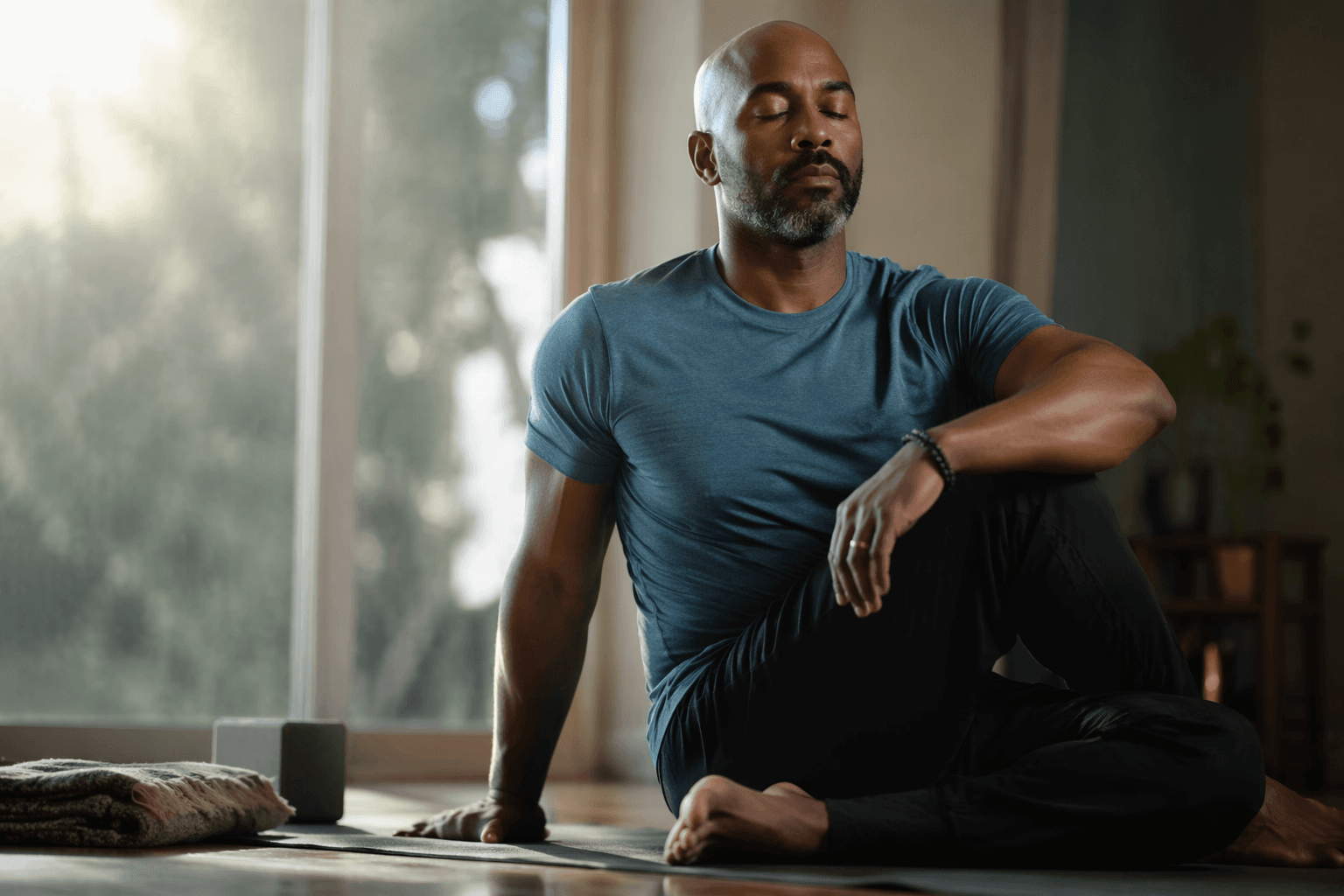
Iyengar yoga, often promoted as a careful, prop-friendly style, turned up an unexpected warning sign for older adults: in a University of Sydney trial, it was linked to 33 percent more falls than a seated relaxation control.
The randomised controlled study, published in The Lancet Healthy Longevity on 1 October 2025, followed 700 community-dwelling Australians aged 60 and over who lived independently and were not already practising yoga. Over 12 months, participants in an online, instructor-led Iyengar yoga-based exercise program reported falls monthly, while the control group did self-guided seated relaxation yoga. The result was clear enough to grab attention across the ageing and exercise communities: the yoga group fell more often, even though the program was built around a style many practitioners consider gentle.
The trial matters because falls are already a major public-health problem in Australia. The University of Sydney says about one-third of people over 65 who live in the community fall each year, around 400 older Australians are hospitalised every day because of a fall, and 17 die each day as a direct result of fall-related injuries. Falls Prevention Alliance Australia has put the cost to the health system at about $3 billion a year.
Anne Tiedemann, senior author and Healthy Ageing lead at the Institute for Musculoskeletal Health, said the team set out to fill a gap in knowledge and was surprised by the outcome. That surprise is part of the story. Exercise programs that target balance and strength are already regarded as the most effective way to prevent falls, and Australian falls guidance continues to recommend functional balance and muscle-strength training for older adults. Yoga, despite its popularity and its known benefits for mobility and balance, had not previously been rigorously tested as a fall-prevention strategy in this age group.
The study did not report more injurious falls in the yoga group, which is an important distinction for seniors and instructors weighing risk. Still, the higher total fall count suggests that not every older body responds to the same sequence the same way. The likely pressure points are the parts of class that demand standing balance, longer-held postures, or repeated transitions in and out of props and chairs, especially in an online format where hands-on support is absent. Iyengar yoga may be accessible in theory, but the structure of a class can still expose frailer students to instability.
The practical message for studios is straightforward: older practitioners should not be pushed away from movement, but classes need tighter tailoring. Safer sequencing, more chair-based options, slower transitions, and explicit fall-risk screening can help keep yoga in the toolkit without treating it as a one-size-fits-all prescription for ageing well.
This article was produced by Prism’s automated news system from verified source data, official records, and press releases, then run through automated quality and moderation checks before publishing. The system is built and supervised by the people who set the standards it runs under. Read our full AI policy.
Did this article answer your question?