Lululemon apologizes after Great Wall yoga event sparks backlash in China
Lululemon’s Great Wall yoga festival drew more than 2,000 people, then drew fire after a drum setup was read as Japanese rather than Chinese.

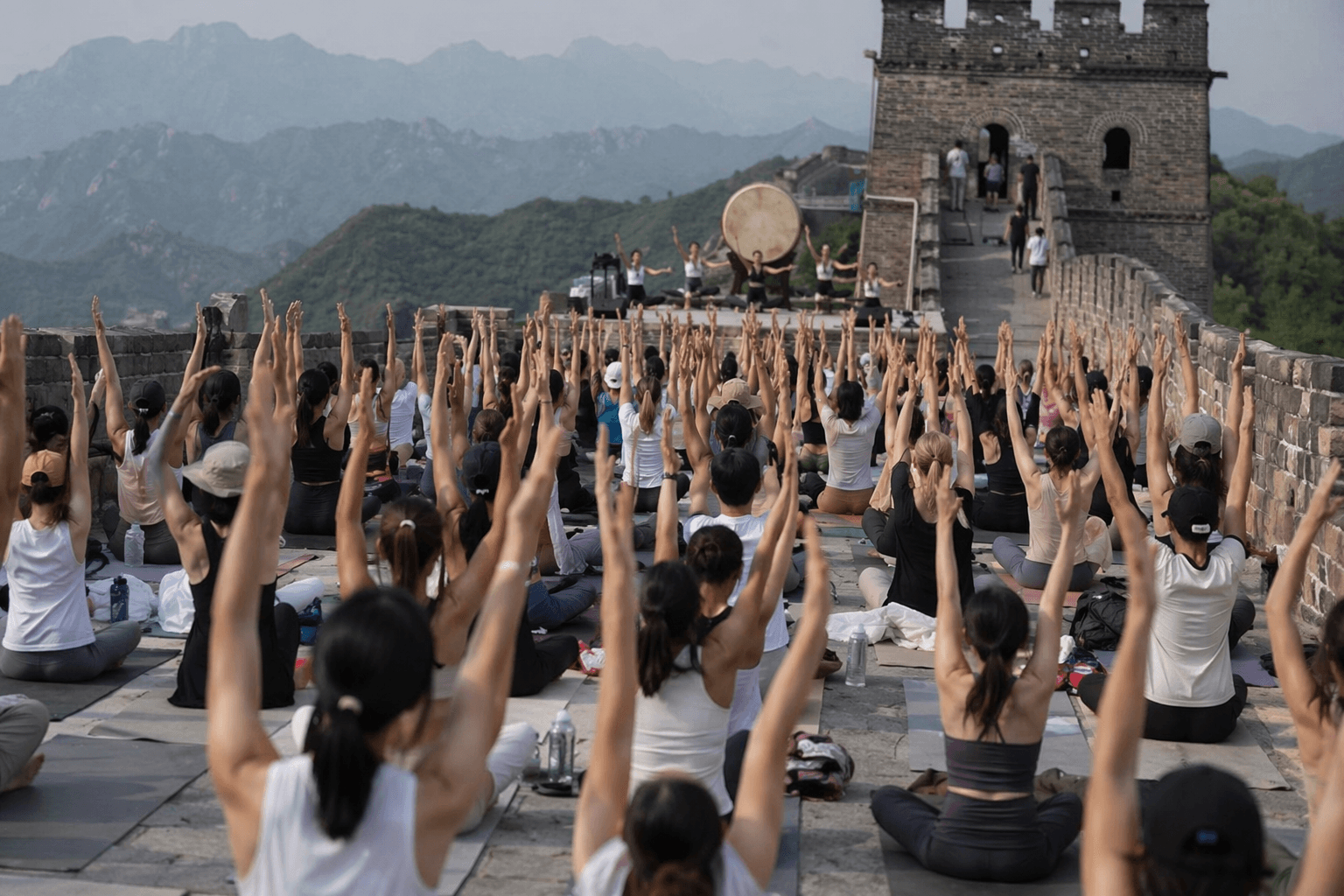
Lululemon turned one of China’s most iconic landmarks into a wellness stage, then had to apologize after the symbolism landed wrong. The brand’s yoga event at the Huanghuacheng Water Great Wall in Beijing drew more than 2,000 participants on May 30 and was meant to celebrate Chinese culture, meditation and community. Instead, images of Chinese actor Zhu Yilong beside a drum bearing the Lululemon logo set off a backlash over whether the instrument looked like a Japanese taiko drum rather than a traditional Chinese drum.
That distinction mattered because this was not a small studio mishap or an off-brand local class. Lululemon staged the event as a high-visibility yoga festival, marking its 10th anniversary in mainland China and launching its 2026 yoga festival series. Coverage in China described the Great Wall site as highly symbolic, which only raised the stakes. What was billed as a harmony-forward brand activation quickly became a test of cultural literacy, historical sensitivity and how much latitude a global yoga company has when it borrows national imagery for marketing.
Lululemon responded on Weibo, saying it should have been more careful in its preparation. The company also removed related promotional content after the backlash, and the troupe involved issued its own apology. Chinese commentary said the drum’s shape, rope bindings and overall setup made it look too close to a Japanese taiko instrument, and at least one Chinese percussionist was reported to have said the drums from the two countries should never be confused. Fanxiang HiiKo, also identified in coverage as the HiiKo Drum Group, was named as the performing group.
For yoga brands, the lesson is bigger than one photo or one performance. Lululemon’s China business has become too important for this kind of error to be treated as cosmetic. The company said China Mainland revenue rose 41% in fiscal 2024, and in fiscal 2025 it said international revenue growth was driven in part by a 29% increase in China Mainland revenue. When a market is growing that fast, local symbolism stops being a marketing flourish and becomes part of the operating model.
A destination event on the Great Wall can look brilliant on a planning deck. In practice, it demands more than a celebrity appearance and a scenic backdrop. It needs cultural vetting, local partners with authority, and a final pass from people who can spot the difference between a wellness celebration and a public misread before the logo goes live.
This article was produced by Prism’s automated news system from verified source data, official records, and press releases, then run through automated quality and moderation checks before publishing. The system is built and supervised by the people who set the standards it runs under. Read our full AI policy.
Did this article answer your question?