Power yoga on WFLA highlights stress relief and better sleep
WFLA’s power yoga demo was a practical look at stress relief and sleep, not a vague wellness pitch. Bradley Jones showed how a faster class can work the body and still settle the mind.

Power yoga is the useful middle ground
WFLA’s Bloom Tampa Bay put Bradley Jones on the mat with host Amber Freeman and made a simple point feel immediately usable: not all yoga is trying to do the same job. In this segment, power yoga comes across as a faster-paced, higher-intensity style than yin or slow flow, which matters if you are trying to decide whether you want a workout, a reset, or both. The framing is refreshingly direct. Instead of selling yoga as a universal fix, the show treats style choice as the real decision.
That is what gives the segment its credibility. Power yoga is not presented as the only legitimate way to practice, just as one clear option for viewers who want more movement and less lingering in each shape. If you have ever bounced between classes and wondered why one left you calm and another left you energized, this is the distinction that explains it.
What Bradley Jones actually demonstrated
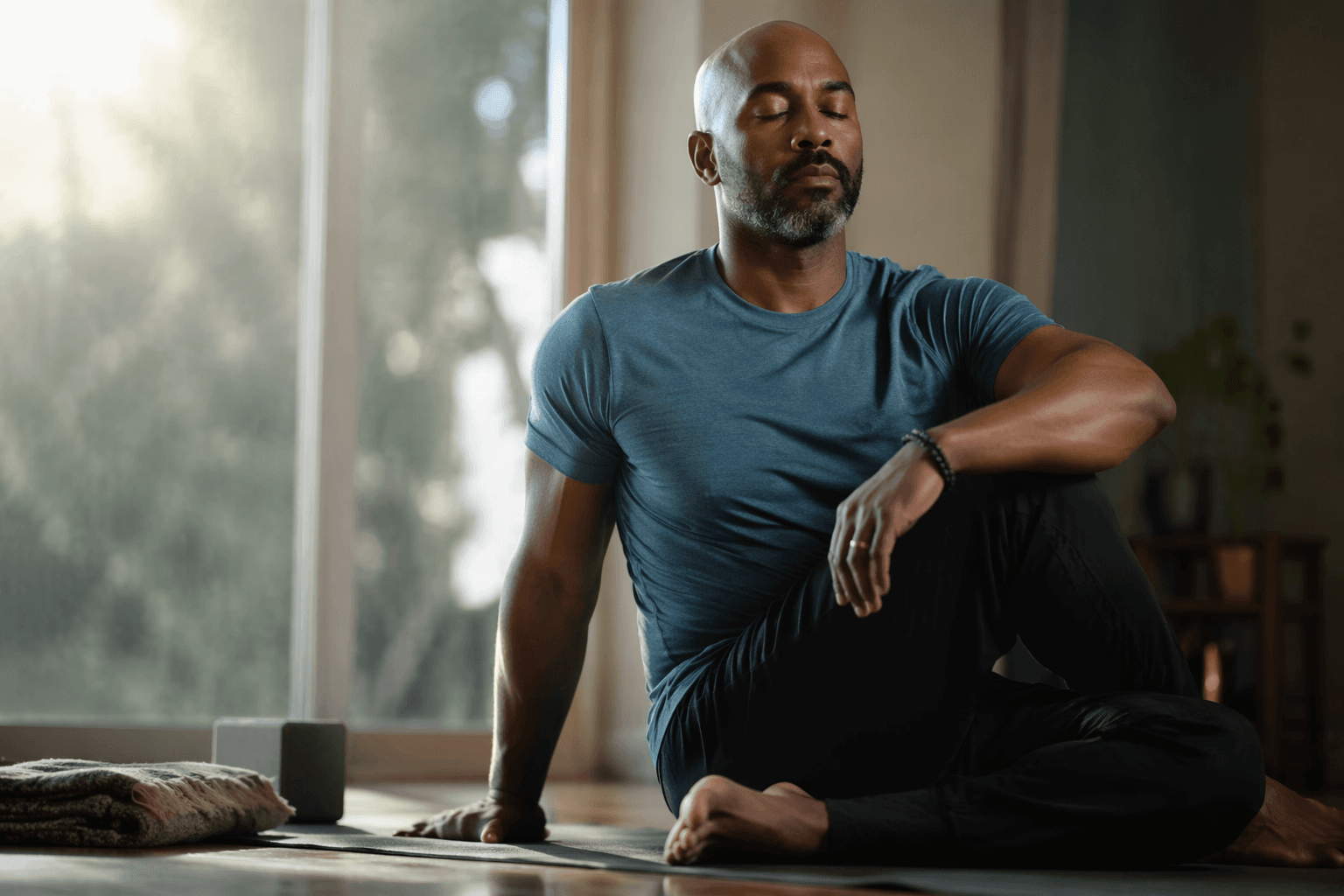
Jones did not just talk about yoga in the abstract. He joined Freeman on the mat to walk through basic positions and show how the practice can be built from simple movement, breath, and attention. That is the right level of instruction for a local TV segment because it gives viewers something concrete to imagine trying at home or in a class without turning the segment into a full lesson.
The practical value here is in the basics. When a teacher demonstrates foundational positions in a power setting, the point is not perfect form for its own sake. It is to show how a sequence can become a repeatable routine that still leaves room for breath and focus. That is also why the segment works as a guide rather than a generic wellness feature. You see the shape of the practice, not just hear that yoga is good for you.
Where the stress relief and sleep claims fit
The segment’s stress relief and better sleep messaging lines up with the broader wellness case for yoga, but it should be read with discipline. The National Center for Complementary and Integrative Health says studies have suggested possible benefits of yoga for stress management, mental and emotional health, sleep, and balance. That is a real and meaningful range of potential benefits, especially for a practice that combines movement with breathing and attention.
At the same time, the NCCIH also cautions that research on yoga for general well-being is limited and the findings are not completely consistent. That matters. It means the cleanest way to read a segment like this is as practical health coverage, not as proof that power yoga will fix stress or cure insomnia. The honest takeaway is narrower and better: yoga may help create the conditions for relaxation and better rest, but it is not a magic switch.
The American Heart Association’s description of yoga helps explain why the segment lands where it does. The organization describes yoga as a mind-body practice that combines postures and movement with mental focus, breathing techniques, and meditation or relaxation. That mix is exactly why a power class can feel active without being purely physical. It asks for effort, but it also asks you to regulate your breath and attention, which is where the stress-relief angle starts to make sense.
Who power yoga is actually for
Power yoga is a strong fit if you want a class that feels more athletic than restorative. It is also a good choice if you like the structure of flowing movement, want a little sweat, and are comfortable with a quicker pace than yin or slow flow. The segment does a nice job of making that sound approachable rather than intimidating.
- Choose power yoga if you want movement, rhythm, and a more active practice.
- Look elsewhere if you want long holds, deep stillness, or a recovery-oriented class.
- Use it when you want yoga to function like a workout and a nervous system reset at the same time.
- Expect the breath work and focus to matter just as much as the shapes.
That is the honest value proposition. Power yoga is not automatically better than gentler styles. It is simply better suited to certain goals, especially when the goal is to feel worked, then settled.
Sleep is the hook, but not the whole story
The sleep angle gives the segment broader relevance because it connects yoga to a goal nearly everyone understands. The American Heart Association says adults should aim for seven to nine hours of sleep each night, and it includes that target in Life’s Essential 8 for heart health. That gives the WFLA segment a solid wellness frame: if you are talking about stress relief and rest, sleep is not a side note, it is part of the main case.
WFLA has also used Bloom Tampa Bay to talk about mental health and sleep in another segment, which said about a third of American adults do not get the recommended seven to nine hours each night. That recurring focus is smart television, because sleep is one of the few health topics that feels personal, immediate, and easy to recognize in your own life. It is also a reminder that viewers do not need a complicated wellness theory. They need tools that feel usable.
Why the local format works
Bloom Tampa Bay matters here because the format keeps yoga grounded. WFLA describes the show as Tampa Bay’s only daily one-hour TV program focused on health and lifestyle, and that kind of daily rhythm makes it a natural home for short, practical wellness demos. A local daytime segment can show a practice in motion without turning it into a lecture, which is exactly what happened here.
That is also why the story is more useful than a generic yoga explainer. You are not being asked to buy into a philosophy. You are being shown a pace, a style, and a purpose: a more athletic class that can still support stress relief and better sleep when it is practiced with breath, focus, and realistic expectations. The mat demo made the pitch plain, and that plainness is what gives the segment staying power.
This article was produced by Prism’s automated news system from verified source data, official records, and press releases, then run through automated quality and moderation checks before publishing. The system is built and supervised by the people who set the standards it runs under. Read our full AI policy.
Did this article answer your question?