Researchers Warn Yoga Won’t Cure Severe Chronic Illnesses, Patients Agree
Jack Hadfield is pushing back on viral yoga claims for ME/CFS, and patients say the warning matters: severe illness is not the same as general wellness.
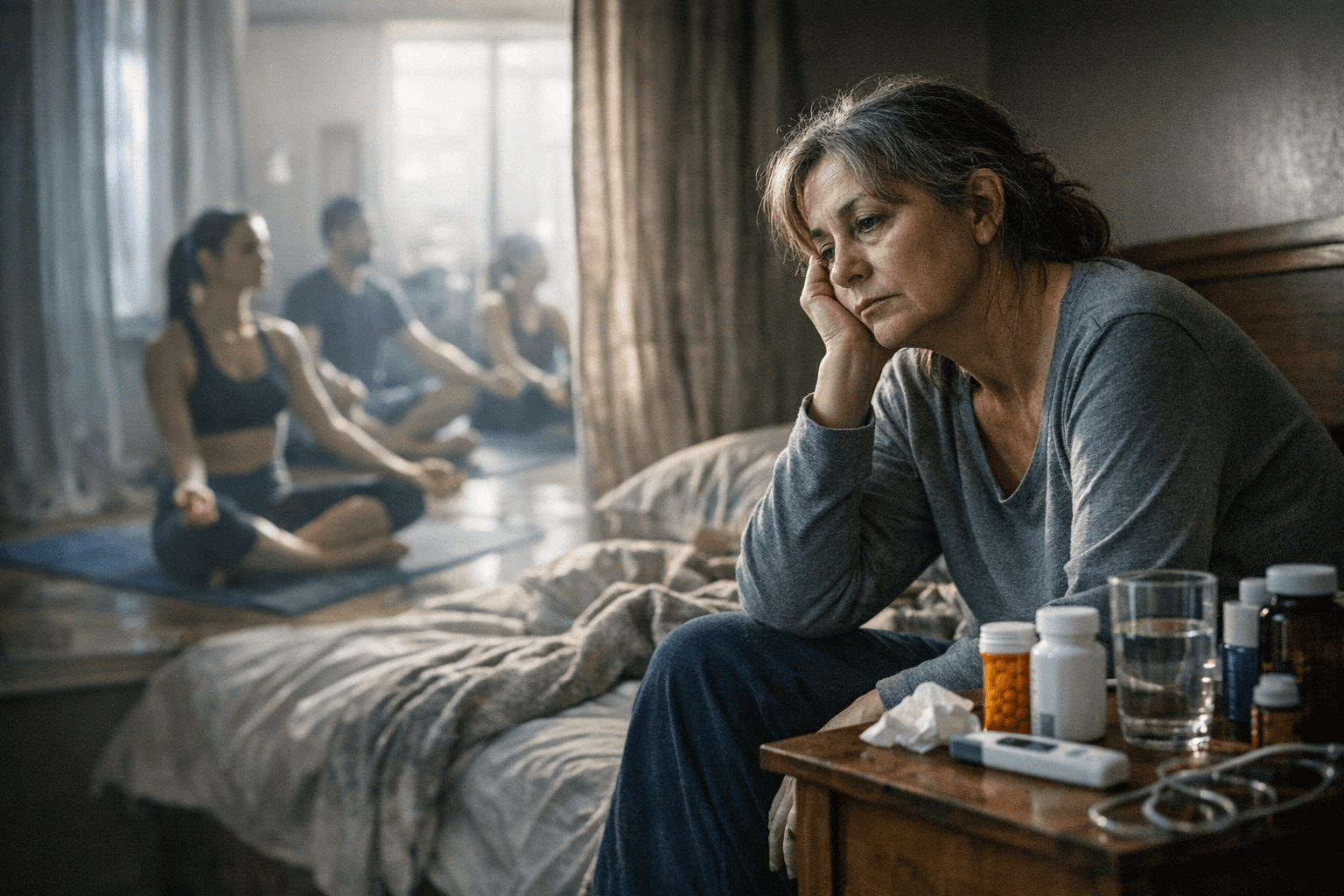
Jack Hadfield, a researcher focused on ME/CFS, is challenging a familiar wellness promise: that yoga can be turned into a cure-all. After a viral post drew thousands of engagements, patients with severe chronic illness largely agreed with his warning that practices built to support healthy bodies do not reliably fix a disease defined by relapse, exhaustion and post-exertional crashes.
That distinction matters because the Centers for Disease Control and Prevention says there is no cure or approved treatment for ME/CFS, only symptom management, and those strategies do not work for everyone. The agency says post-exertional malaise can worsen after even minor physical or mental effort and may hit with a delay of 12 to 48 hours, then linger for days or weeks. For people living inside that pattern, a class marketed as gentle can still be too much if it is framed as a prescription rather than an option.
The National Institute for Health and Care Excellence marked that divide in its updated guideline for ME/CFS, published on October 29, 2021. NICE recognized post-exertional malaise as a key symptom and removed graded exercise therapy from recommended treatment. That shift followed years of pressure from patients and advocates who argued that exercise-based approaches could aggravate symptoms instead of helping them. The British Medical Journal reported in 2021 that GET should no longer be used to treat ME/CFS under the new guidance.
The evidence around exercise remains contested. Cochrane’s review of exercise therapy for chronic fatigue syndrome found eight studies with 1,518 participants and concluded that people may feel less fatigued at the end of treatment, but it remains uncertain whether that benefit lasts and uncertain what the serious side-effect risk is. The American ME and CFS Society has long warned that symptoms can worsen after exercise, and some researchers consider forcing exercise potentially dangerous for severely ill patients.
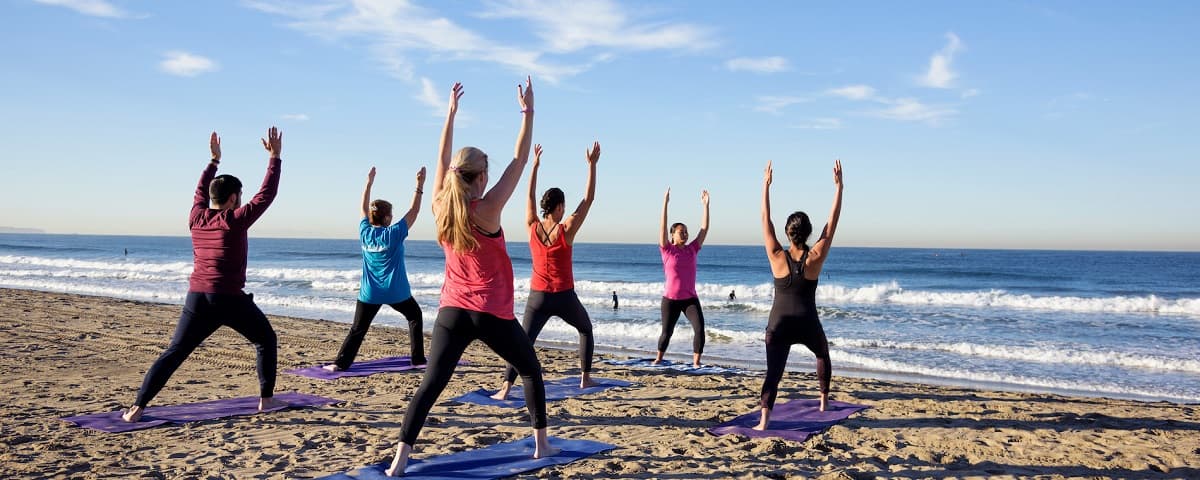
Yoga sits inside that debate in a more complicated way than a simple yes or no. A 2024 systematic review and meta-analysis found that qigong, tai chi and yoga may help fatigue, mental health and sleep in chronic fatigue and post-COVID syndromes, suggesting a place for careful, adaptable movement. But that evidence does not make yoga a cure for ME/CFS, and it does not erase the limits set by the National Institutes of Health, which says the disease is multifaceted, symptoms are exacerbated by exertion, there are no FDA-approved treatments and prognosis is poor. In practice, yoga may still help with mobility, stress regulation and quality of life for some people. What it cannot do is carry the burden of a cure where medicine still does not have one.
This article was produced by Prism’s automated news system from verified source data, official records, and press releases, then run through automated quality and moderation checks before publishing. The system is built and supervised by the people who set the standards it runs under. Read our full AI policy.
Did this article answer your question?